Category: Staff Picks

  • Backpacking Nagano Prefecture in Japan

    Backpacking Nagano Prefecture in Japan

    A flower of snow
    On your shoulder seems to say:
    Welcome to Nagano!

    Keiko Yoshida – Nagano City

    My middle daughter, Avi, is a student at Temple University’s Tokyo campus.  She’s entering her junior year, but this was the first I’ve had the opportunity to come visit her in Setagaya.  Going inland proved to be a wise move after my arrival in Japan.  We lucked out and had a perfect evening on Enoshima, but a named typhoon was descending upon Tokyo, and we wanted to maximize our walking tours.

    Getting to Karuizawa Station

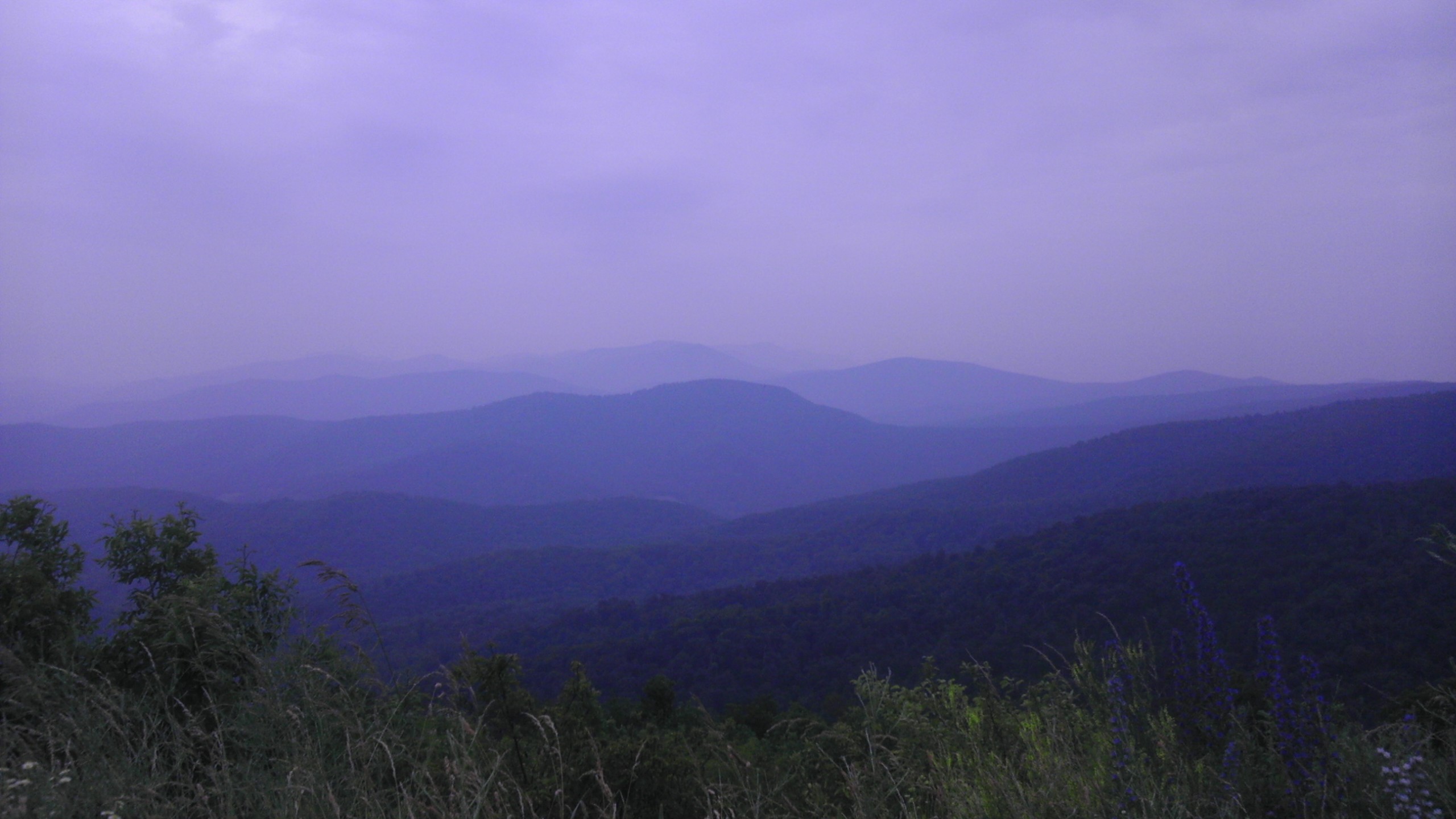
    We booked bus tickets from the Shinjuku Expressway Bus Terminal to Karuizawa.  The bus ride offered an interesting experience of Tokyo neighborhoods on its way out of town, and the ride into the mountains, with views of Mt. Miyogi and other named peaks was fantastic.

    There are three ways to get to Karuizawa from Tokyo: train, bus, or car.  Bus is the cheapest, between $3-20 USD.  Train is the shortest, especially if you take Japanese Railways Shinkansen (the famed “bullet train”).

    Karuizawa is itself a lovely resort town in the mountains.  From Karuizawa Station alone, you can see nearby ski facilities.  It’s also home to fantastic outlet mall shopping, and plenty of restaurants.  The Shiraito Waterfall and Mount Asama are both worth the visit.
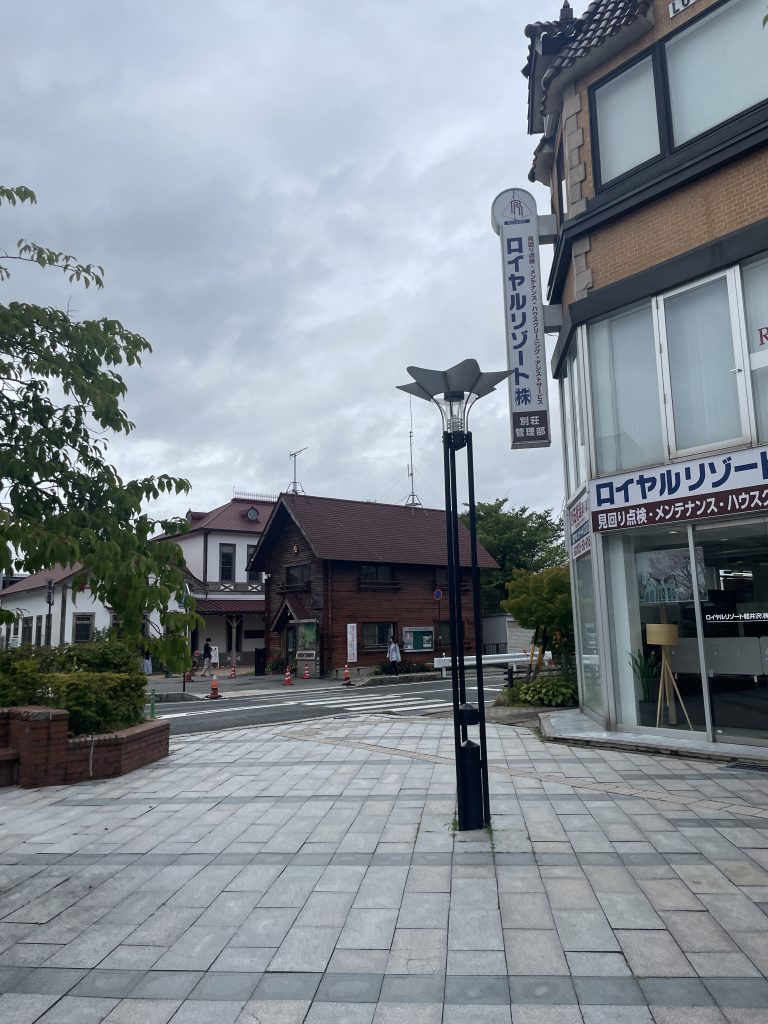
    A view of Kuruizawa including the original train station in background.

    Getting around Nagano Prefecture

    The primary train around the prefecture is the Shinonoi Line, operated by East Japan Railway Company (or JR East).  We could have taken the bullet train from Karuizawa to Nagano, and then the Shinonoi Line, but we instead took the local line from Karuizawa Station to the station in Shinonoi, and transferred to the train that took us to Matsumoto.  This trip took around two hours, but it was worth it.

    Later, we took the same line all the way from Matsumoto to Nagano.  In all cases, the local trains will cost you no more than $5-35 USD.
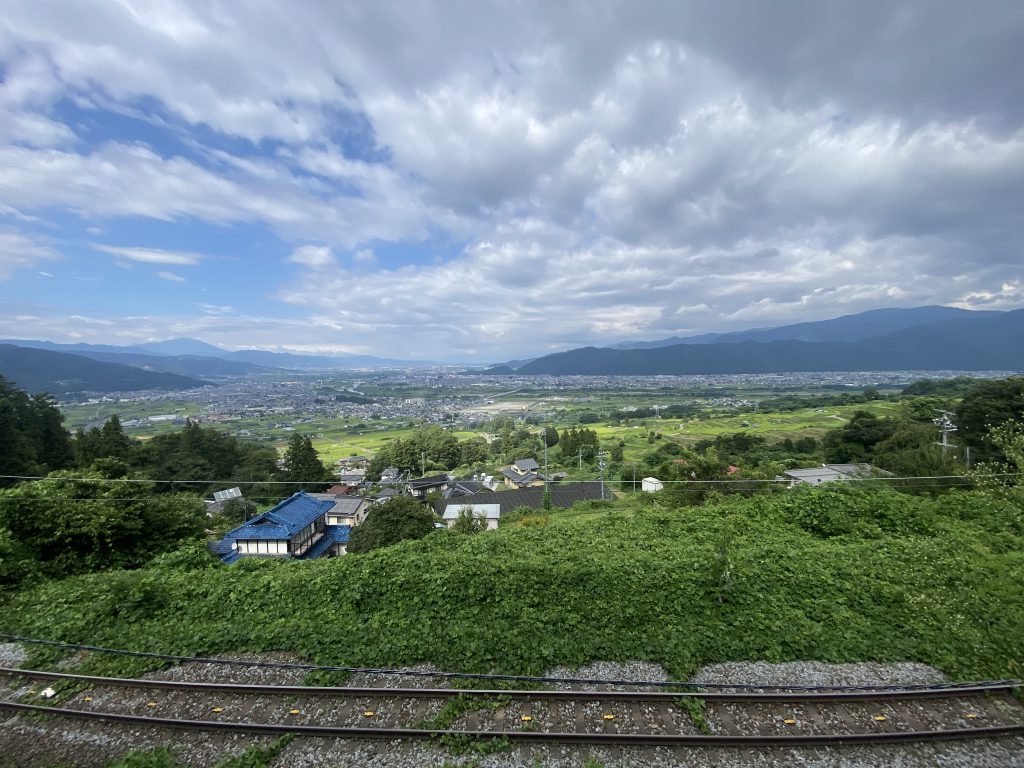
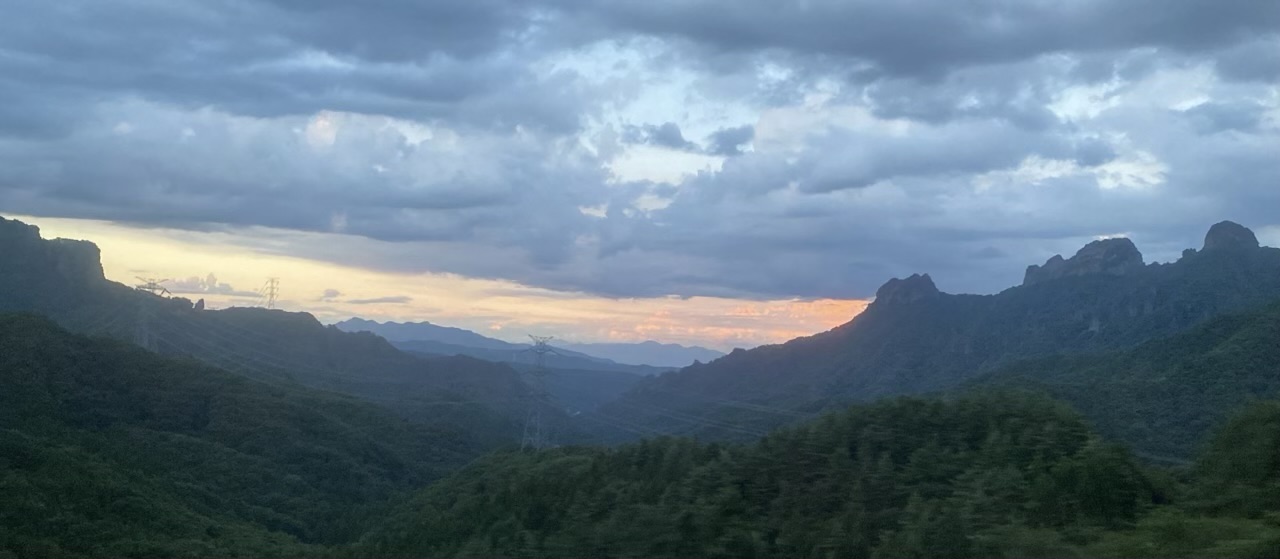
    A spectacular view from the Sinonoi Line in Nagano Prefecture.

    Matsumoto

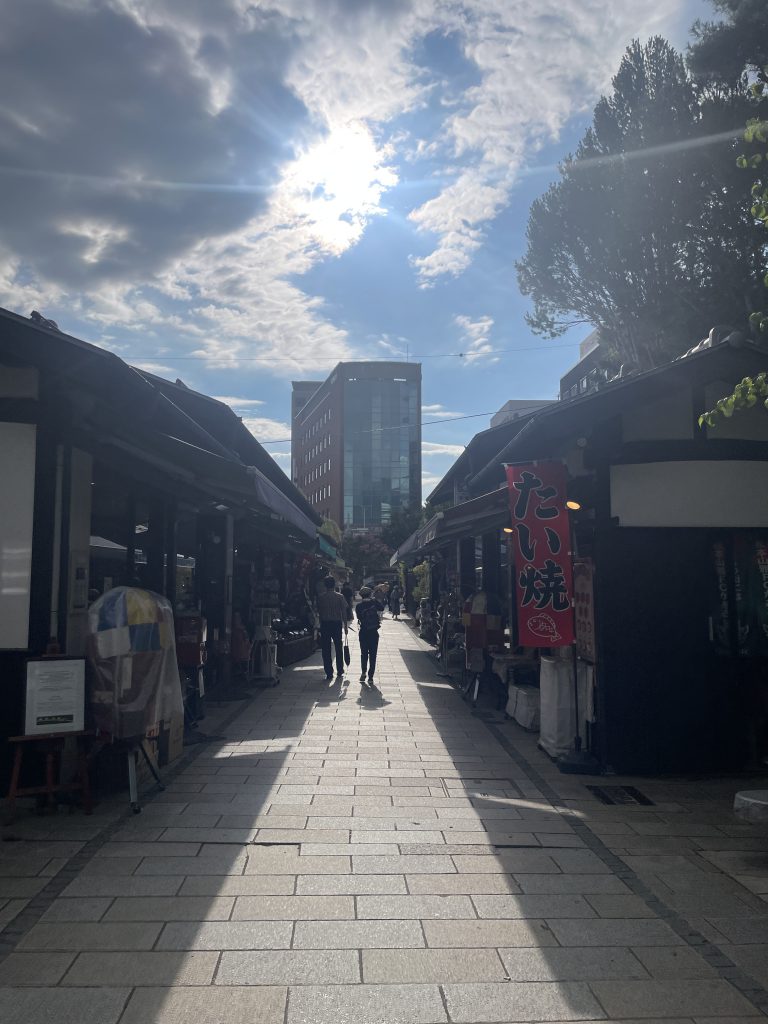
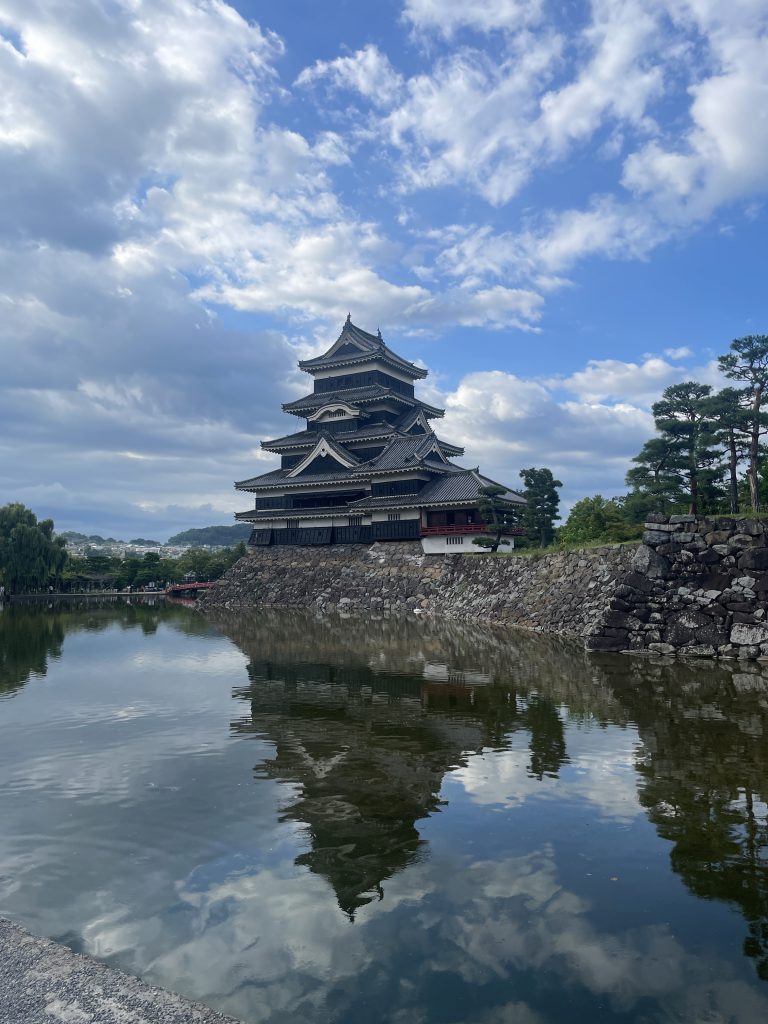
    Matsumoto is home of Matsumoto Castle, built by Ishikawa Norimasa and his son, Yasunaga in 1593-1594.  They were daimyo of Matsumoto under the Tokugawa shogunate.  It is a wonderful tourist destination, with its shopping and cultural experiences.  The castle is inexpensive to tour ($5 USD), but be prepared for hour-long wait times.

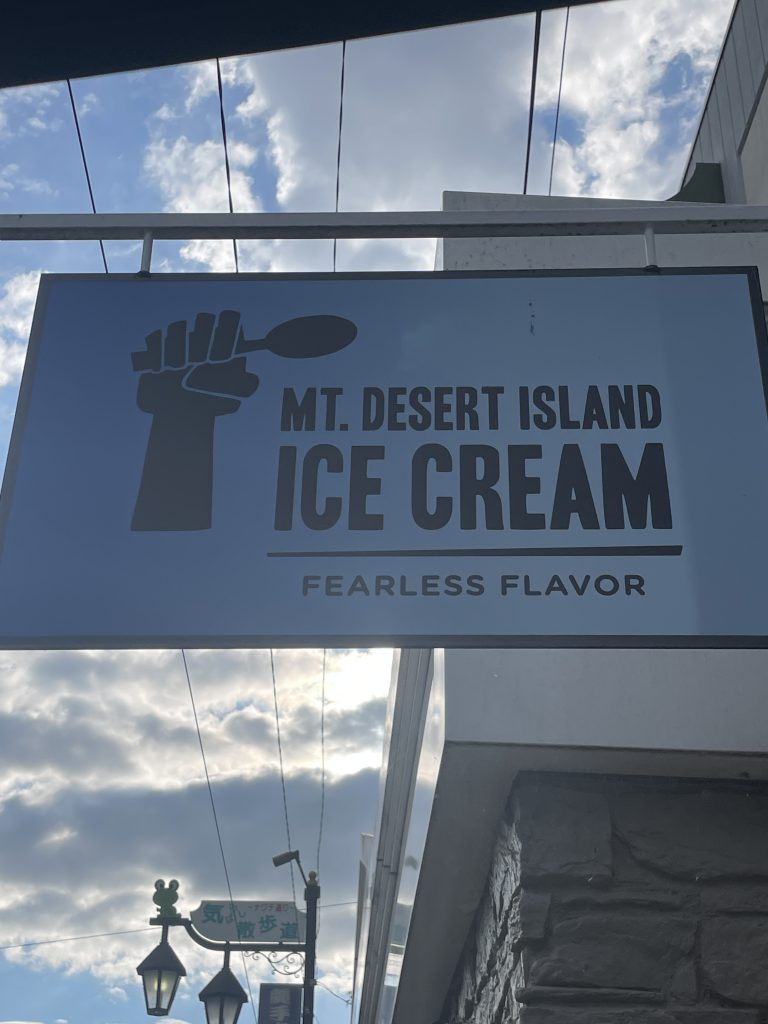
    Being good Mainers, to our surprise, we found Mt. Desert Island Ice Cream.  The flavors were a little bit different than what we’ve had before in Bar Harbor, but the staff were pleasantly surprised to have visitors from Maine.  I ordered a strawberry sorbet, and Avi ordered a peach combination which wasn’t to her liking.

    Mt. Desert Island Ice Cream is not under kosher supervision.  Cholov Yisroel is impossible to find in Japan, but Japan’s milk is wholly produced by dairy cows.  I doubt Rabbe Feinstein’s leniency applies to Japanese dairy.

    Nagano

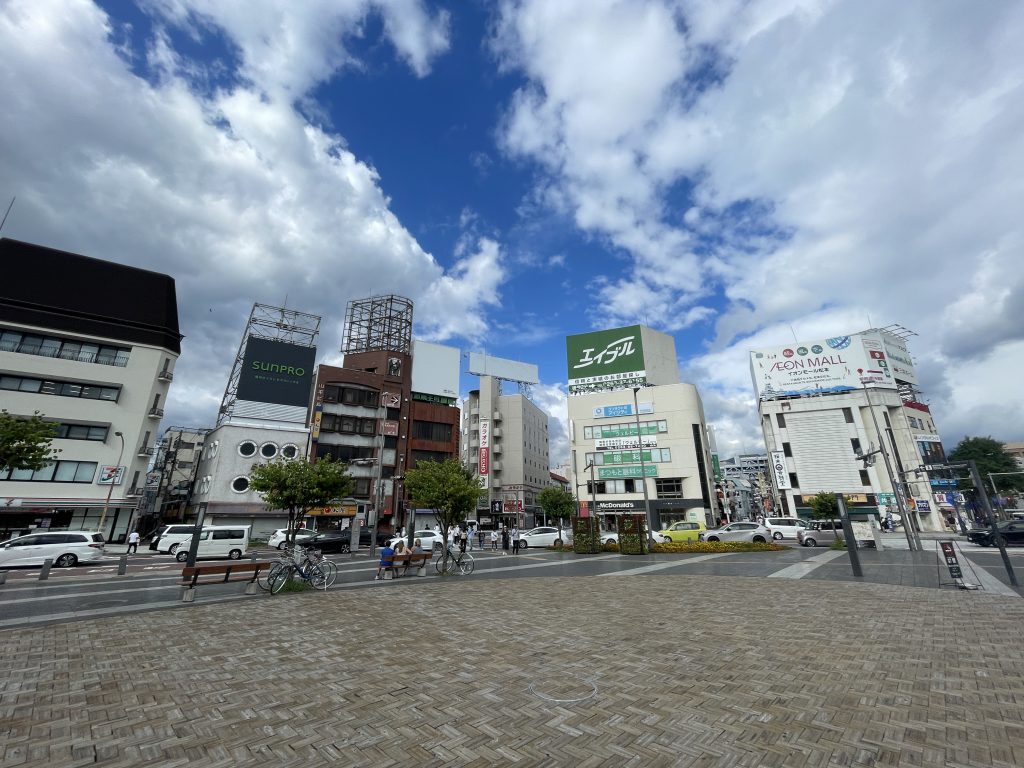
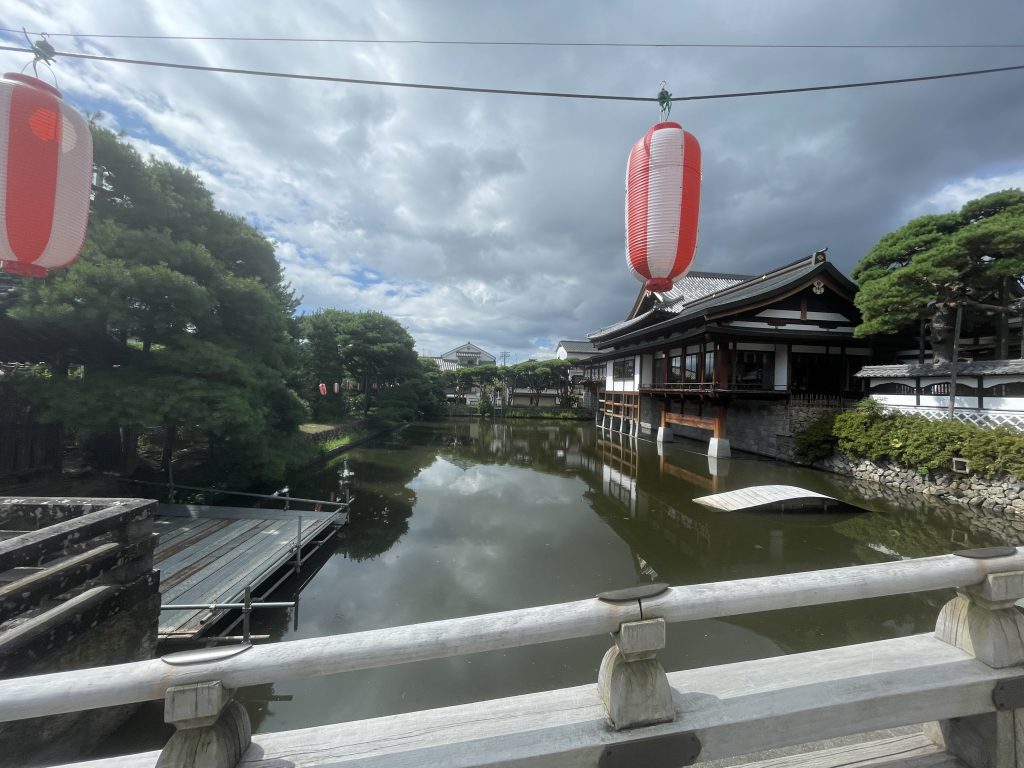
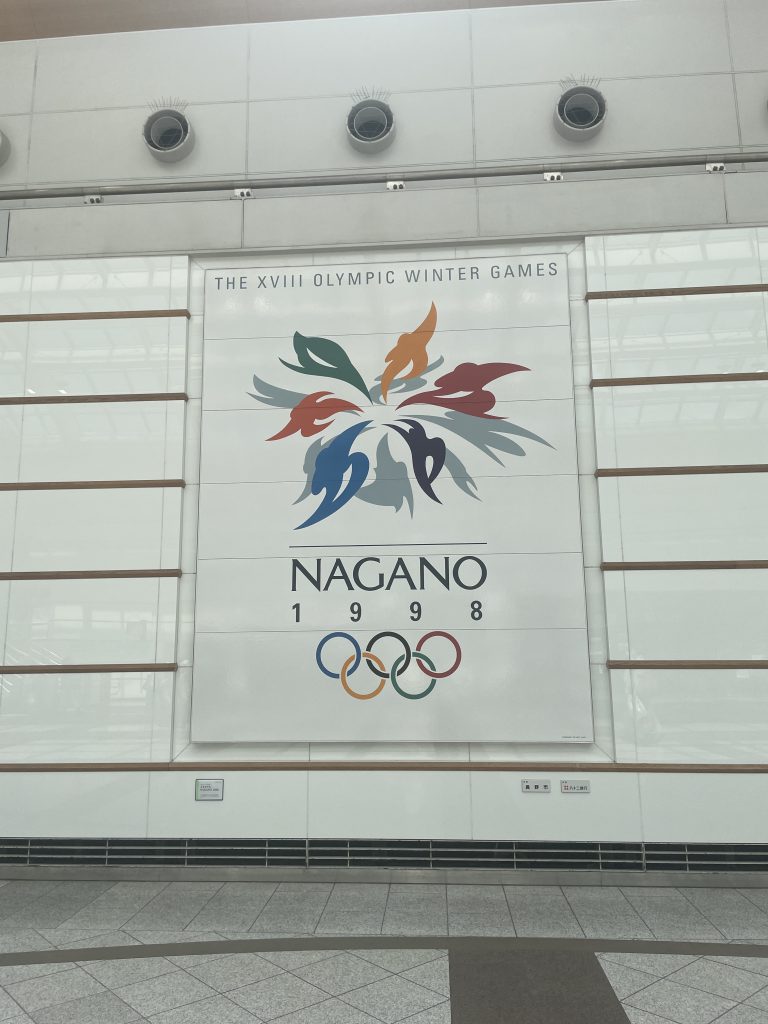
    Our overnight destination in Nagano Prefecture was the city of Nagano itself.  After a day in Matsumoto and enjoying the lovely train ride from Matsumoto to Nagano, we arrived in time to check into our hostel, Moritomizu Backpackers and Sharehouse, a quaint little place close to Nagano Station.  It was very low cost (around $50 USD a night for two of us), and within walking distance of many things.  The room was nothing special, futons, pillows, sheets, etc.  Common showers and bathrooms on the second floor.  A common dining room on the ground floor with a guitar, a mix of English and Japanese games and books, and tea/coffee service.  Sorting your trash is required.

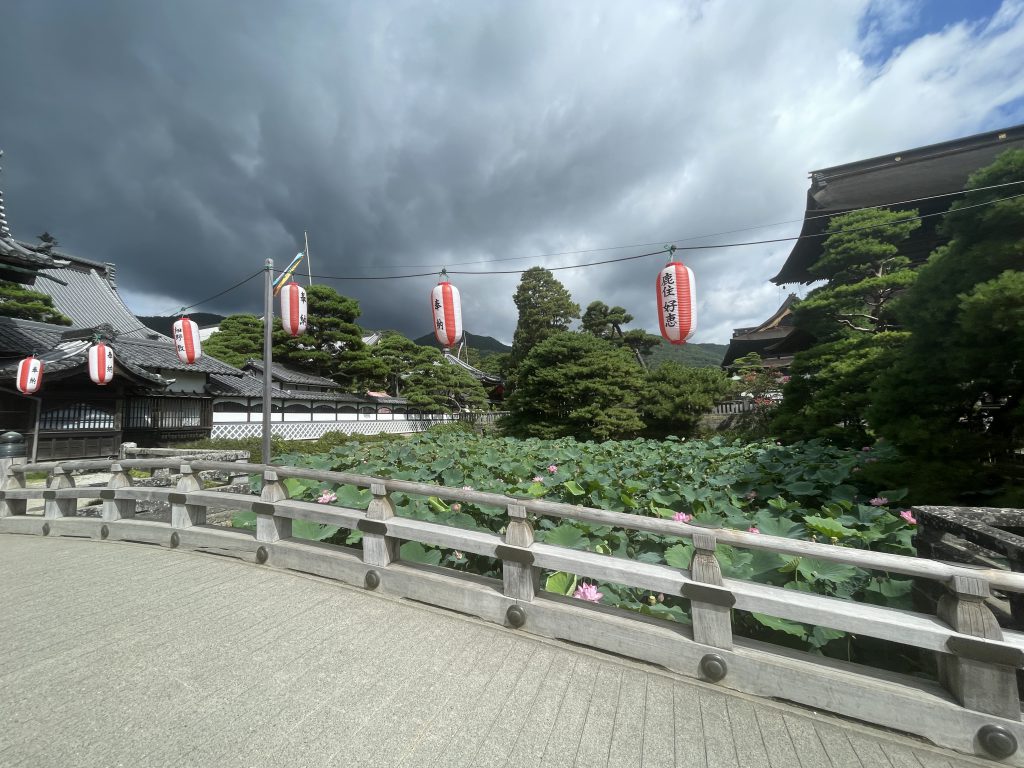
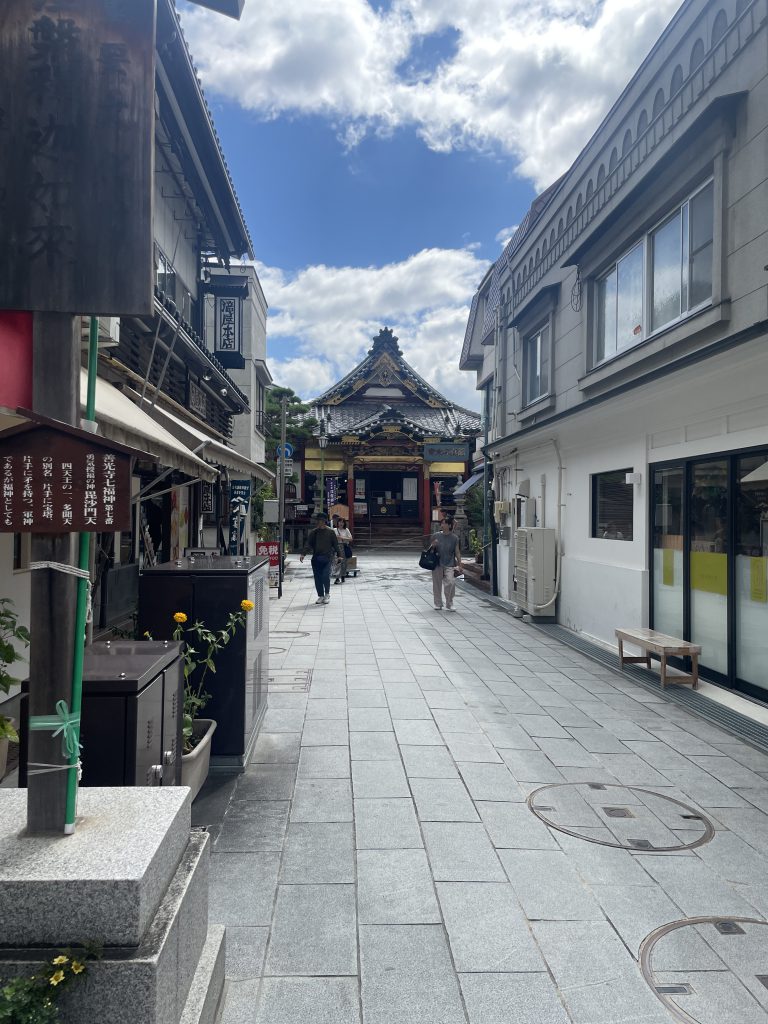
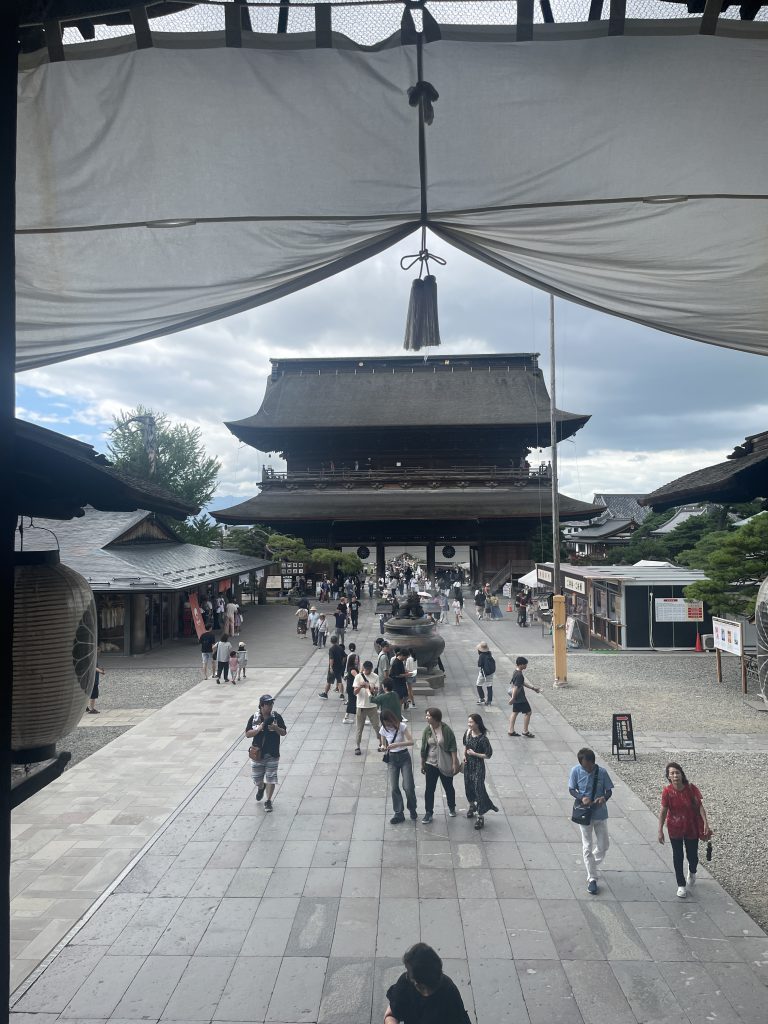
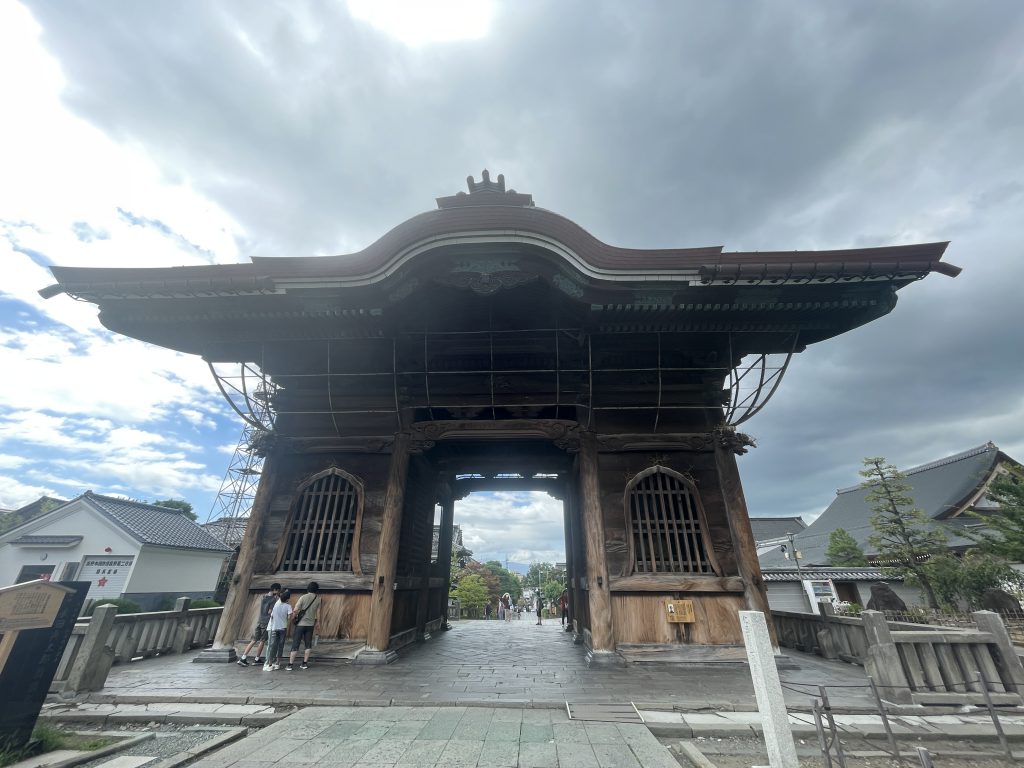
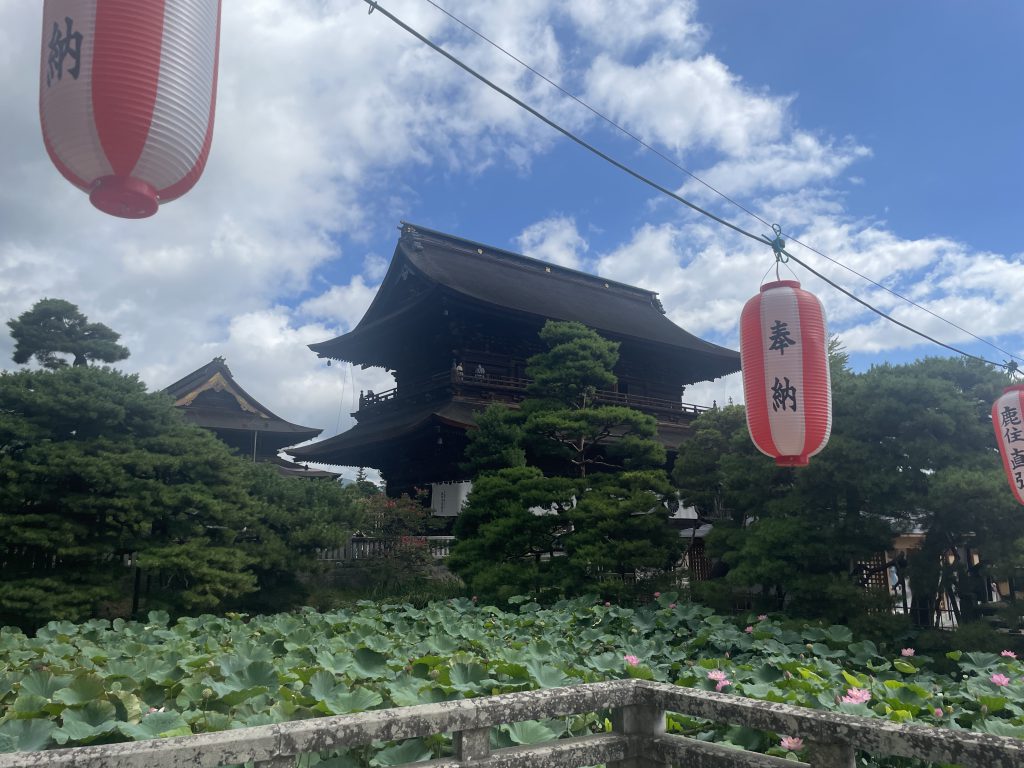
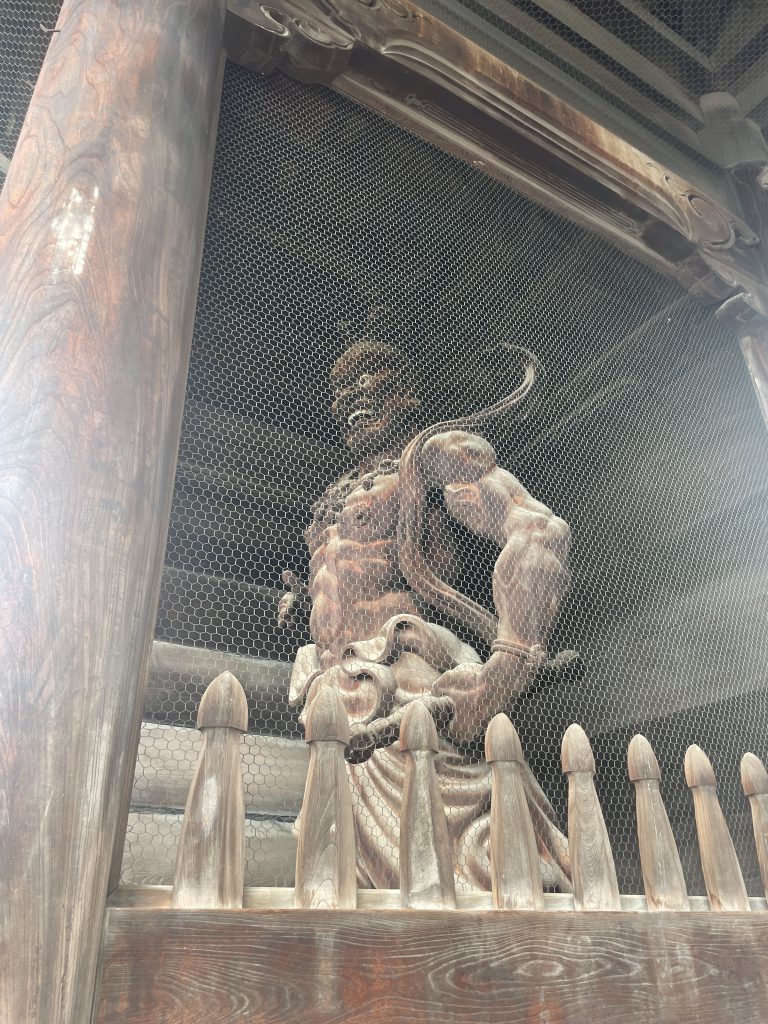
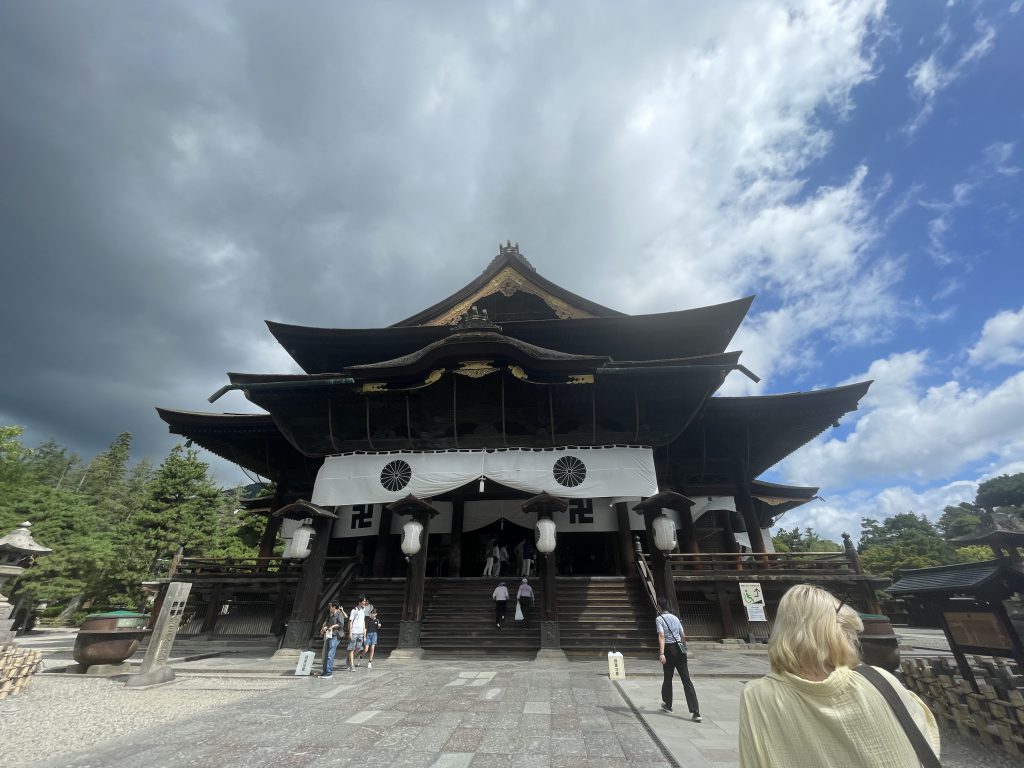
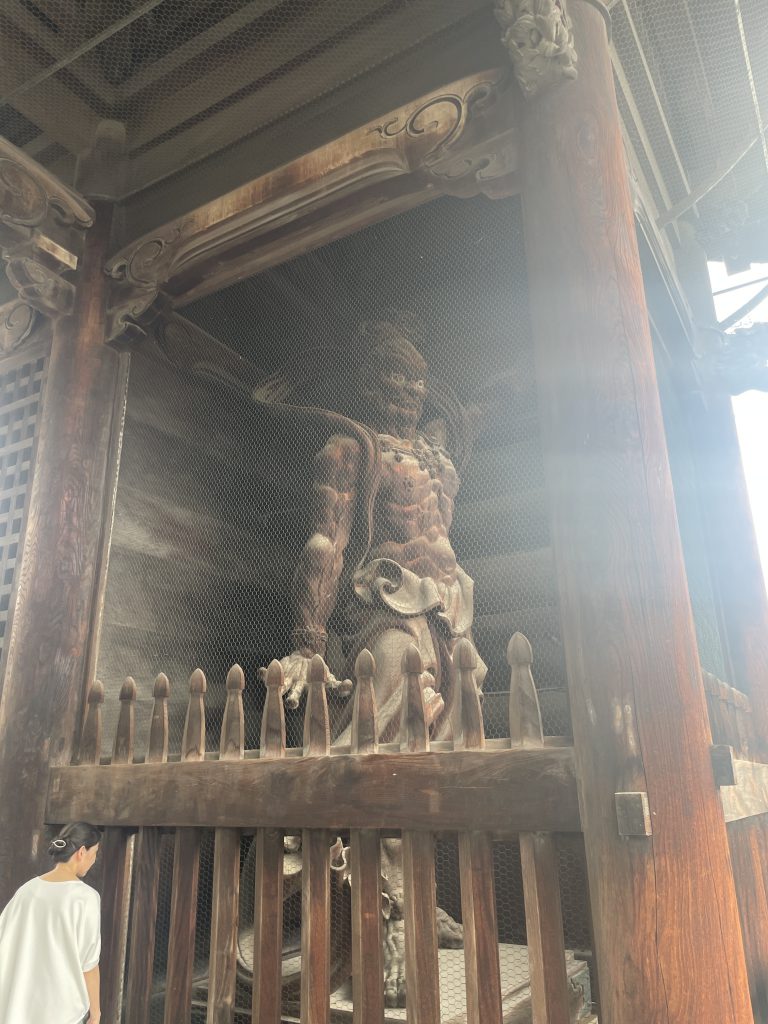
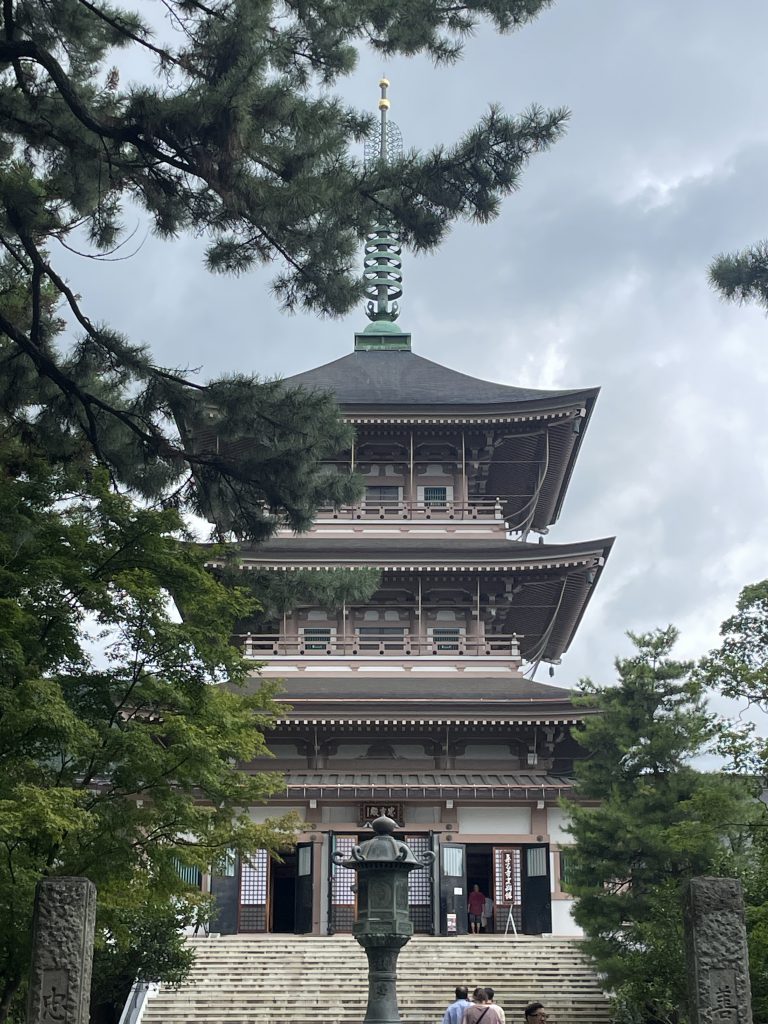
    There are many attractions in Nagano.  We focused our morning on the walk to Zenkoji Temple. There is a national park with snow monkeys that is a popular draw.   Skiing in the winter is fantastic.
    Komoro

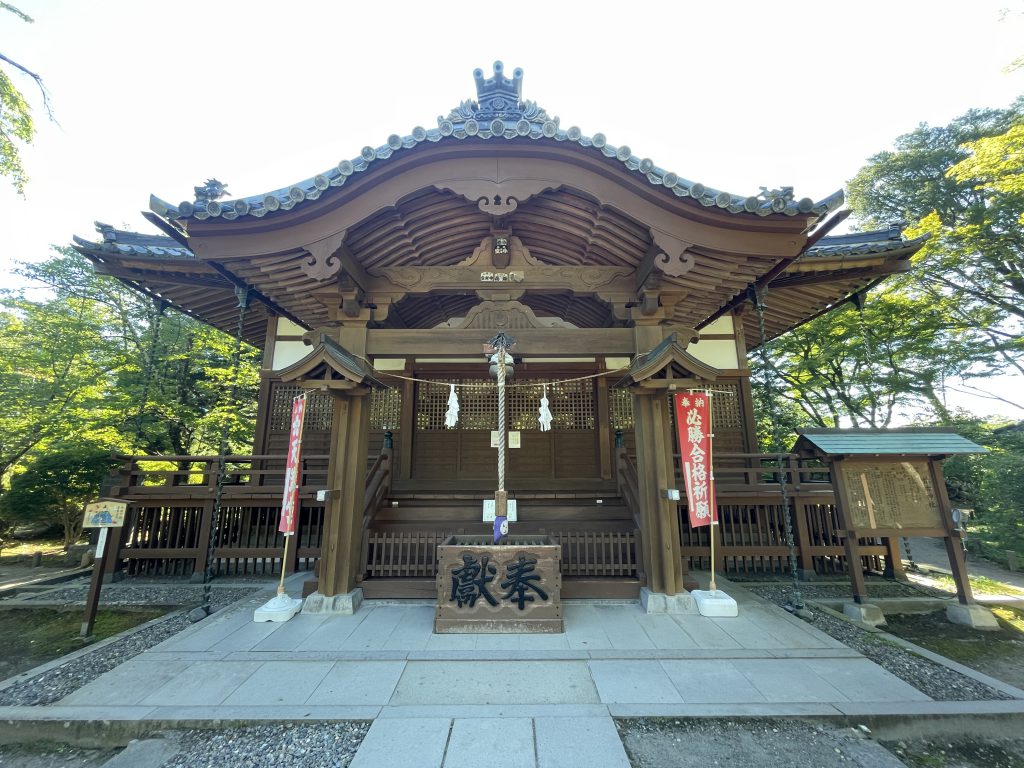
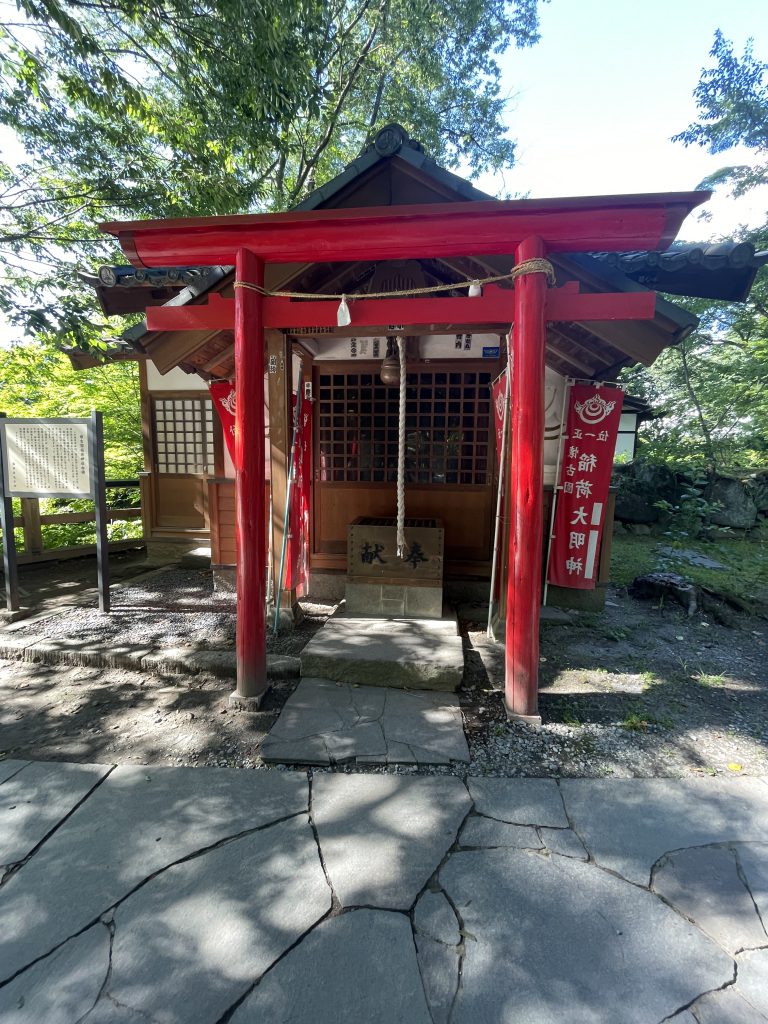
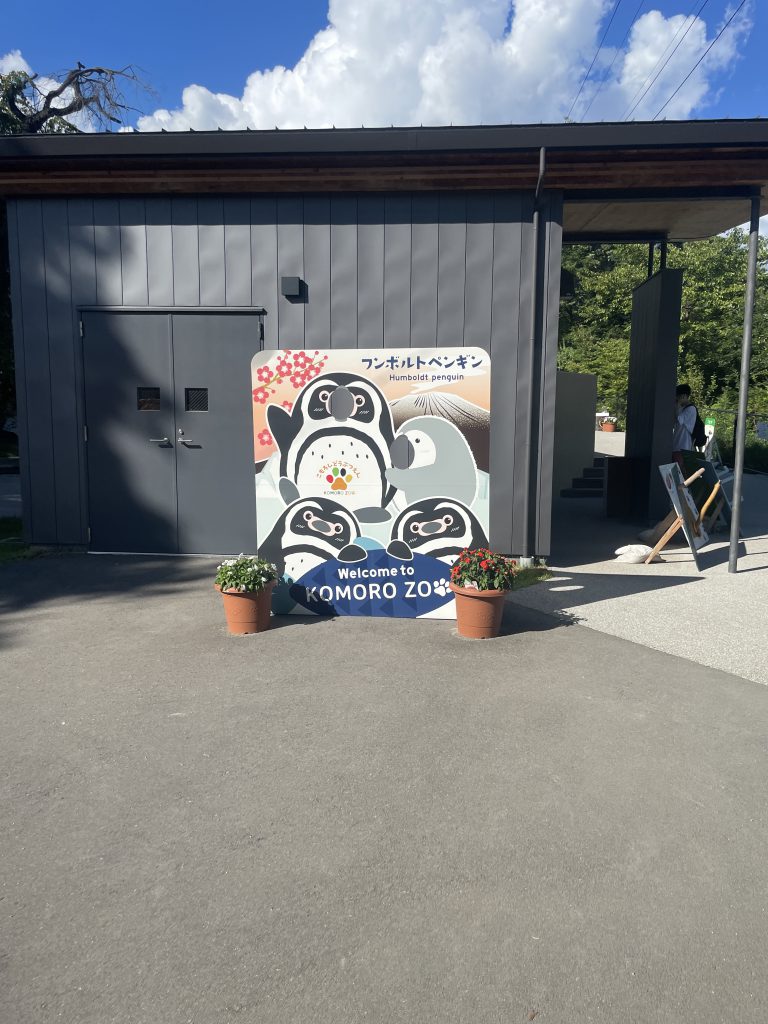
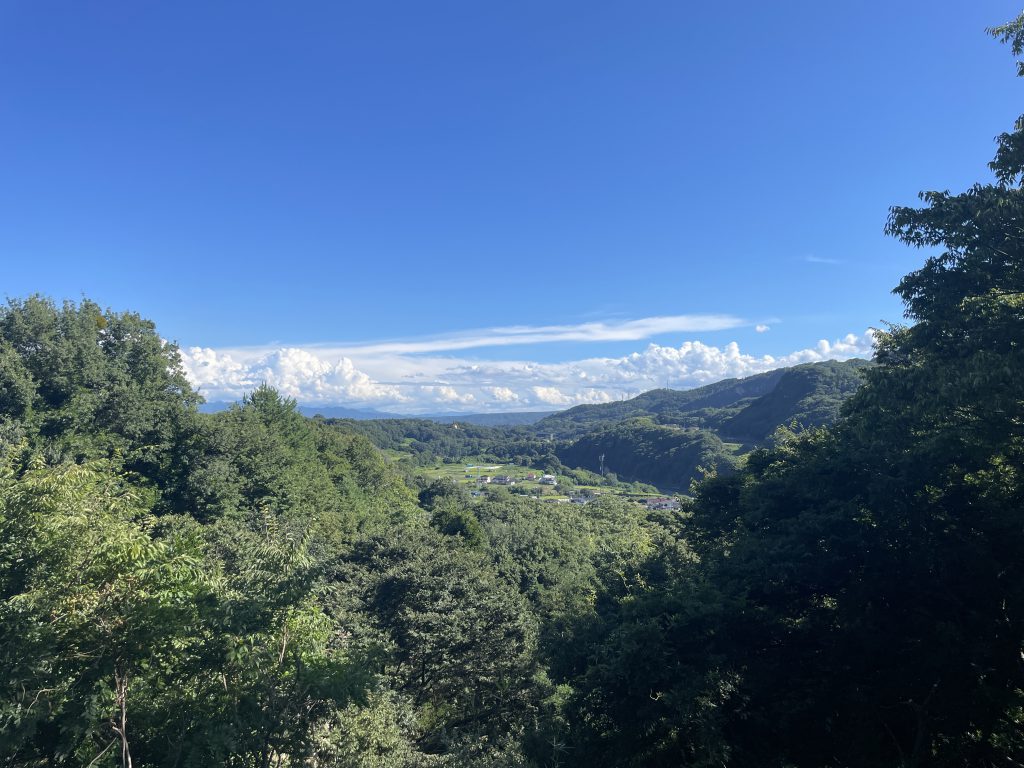
    Our final destination in Nagano Prefecture before returning to Karuizawa Station and ultimately Tokyo was Komoro.  Komoro has a small little amusement park, the saddest little zoo imaginable, and the grounds of castle ruins.  It is a beautiful area with the convergence of two mountain ranges and plenty of scenic views.

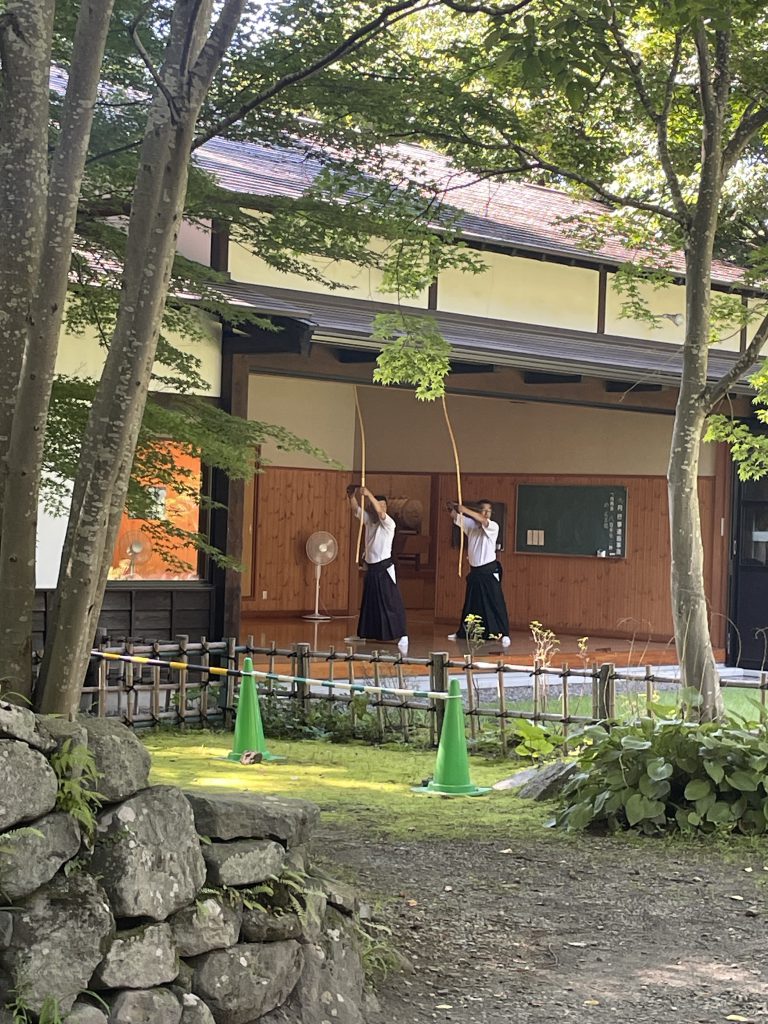
    We were really fortunate to see two men training in Japanese archery, kyudo.  The cost to tour the ruins and zoo was $5 USD.
    Kosher

    Kosher in Japan is difficult.  Given that if you’re a Jewish traveler in the country, you probably came through an airport in Tokyo, you’ll need to stock up on your trip in the city before you head elsewhere, as it’s hard to find hecshered products outside of Tokyo, Kobe, or Okinawa.

    National Abazu, a chain of three grocery stores in Tokyo, carries many imported hechshered goods.  Chabad of Japan in Tokyo also has a mini market.

    In Kobe, the community of Kansai can help with kosher food.

    Brian Kresge is a rabbinical student with the Pluralistic Rabbinical Seminary and president of Congregation Beth Israel in Bangor, Maine.
  • Backpacking with Autistic Children

    Backpacking with Autistic Children

    Backpacking is a really exciting experience for a lot of kids.  For children with Autism Spectrum Disorder (ASD), it can be fraught with anxiety, as it involves multiple changes in routine, unfamiliar environment, and a significant amount of sensory overload.

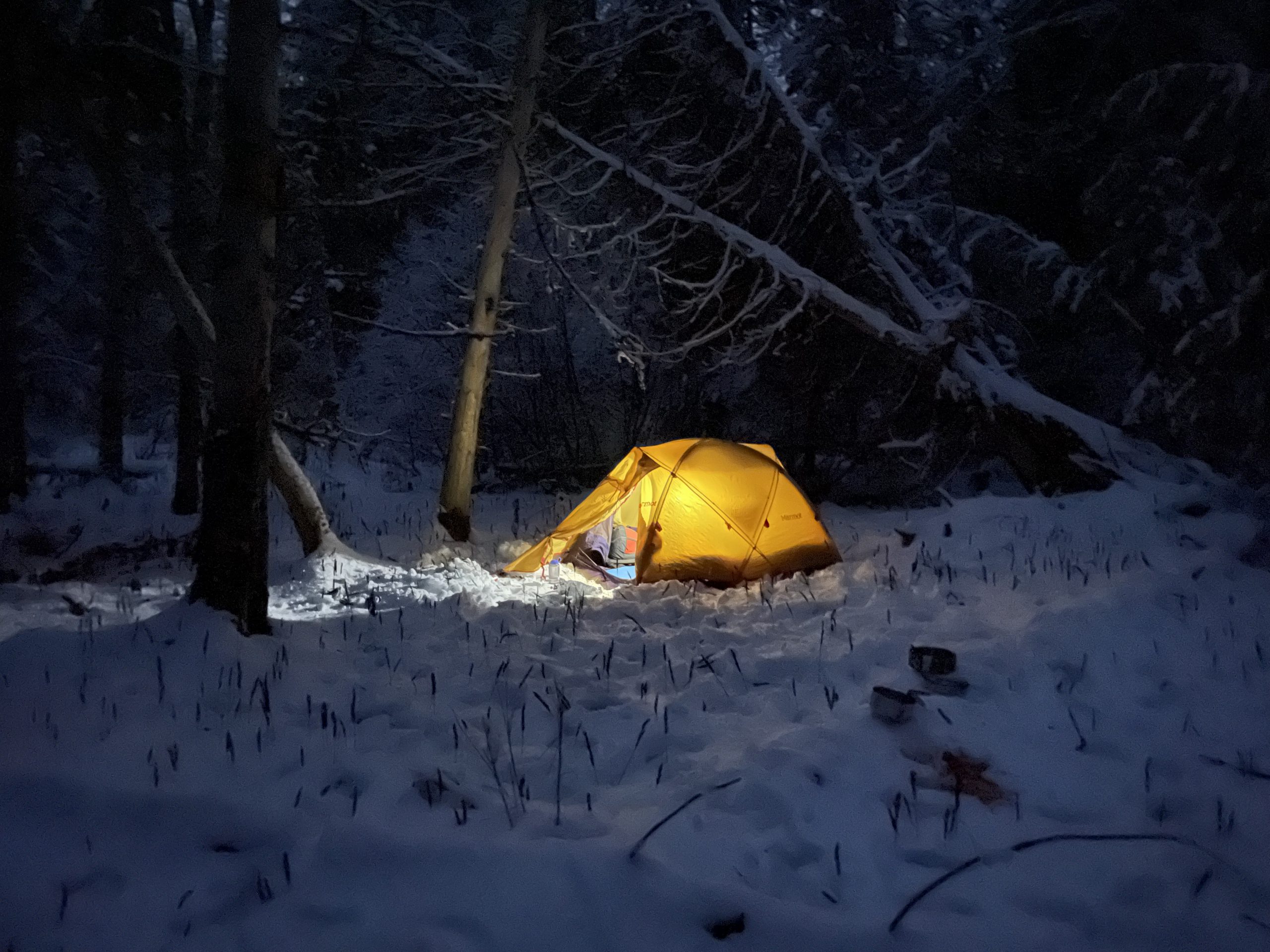
    When my daughter, who hadn’t yet been diagnosed with ASD, joined me on a hike to Maine’s Cutler Coast, she found camping at a spot overlooking the ocean to be awful, as scenic as it was.  As it turned out, the constant noise of the surf was simply too much for her.  Creekside or noisy riverside campsites similarly work on her nerves.  The tranquil waters along the East Branch Penobscot River, on the other hand, do not pose a problem.  The silence of winter camping is especially attractive to her.

    We’ll delve into the ways we can make a backpacking trip successful for your ASD child.  Your mileage may vary, of course, but we’ll start with what tips we anecdotally know work.

    Before the Trip

    First, let’s say this: I am accustomed to seat-of-your pants, throw a bag in the back of the car and go style trips.

    This does not work with my child.  She requires at least a week’s lead time.  My older, adult child was flexible, able to pop in the car and head from our home in Pennsylvania to a nearby Appalachian Trail entry point, to Shenandoah National Park, Assateague, or even the Adirondacks with little notice.  We did it all, and I was spoiled by her agility.

    On the other hand, the more meticulous planning I have to put in for my youngest child often yields a less tumultuous trip.  A late May excursion in the High Peaks that we were ill-prepared for was just another thing for my older kid.  We adapted and overcame.  My younger child found getting her feet wet on a beaver dam traversal along the International Appalachian Trail in Maine to be completely debilitating, even though she crossed a wide river just a half hour prior.

    Informed by these experiences, this is what works for us.

    Create a Narrative

    In the days and weeks leading to your excursion, create a narrative—with pictures or with words—that captures the start-to-finish elements of your backpacking trip.  Where you park, what time you’ll arrive, how far you’ll hike to camp, what the campsite will be like.  Make note of the sensory experiences they’ll find, like a noisy river, windy conditions at the top of a mountain, muddy water seeping into their shoes.  What will we do in the event of a downpour?  Or a thunderstorm?  Go over this narrative with them often before your trip starts.

    Predictability for a child with autism is imperative.  We go through this day to day just in school.  It doesn’t end just because we deem an activity to be recreational.

    Put it on the Calendar

    We don’t actually have a calendar in our household, but daily reminders, in conjunction with going over your narrative, present your backpacking trip in a concrete way.  We do have a chalkboard in our living room which my wife assiduously puts the daily school “special” (like music, art, gym, etc.) which helps our kid visualize the looming change in routine.

    Do Not Wash Comfort Items

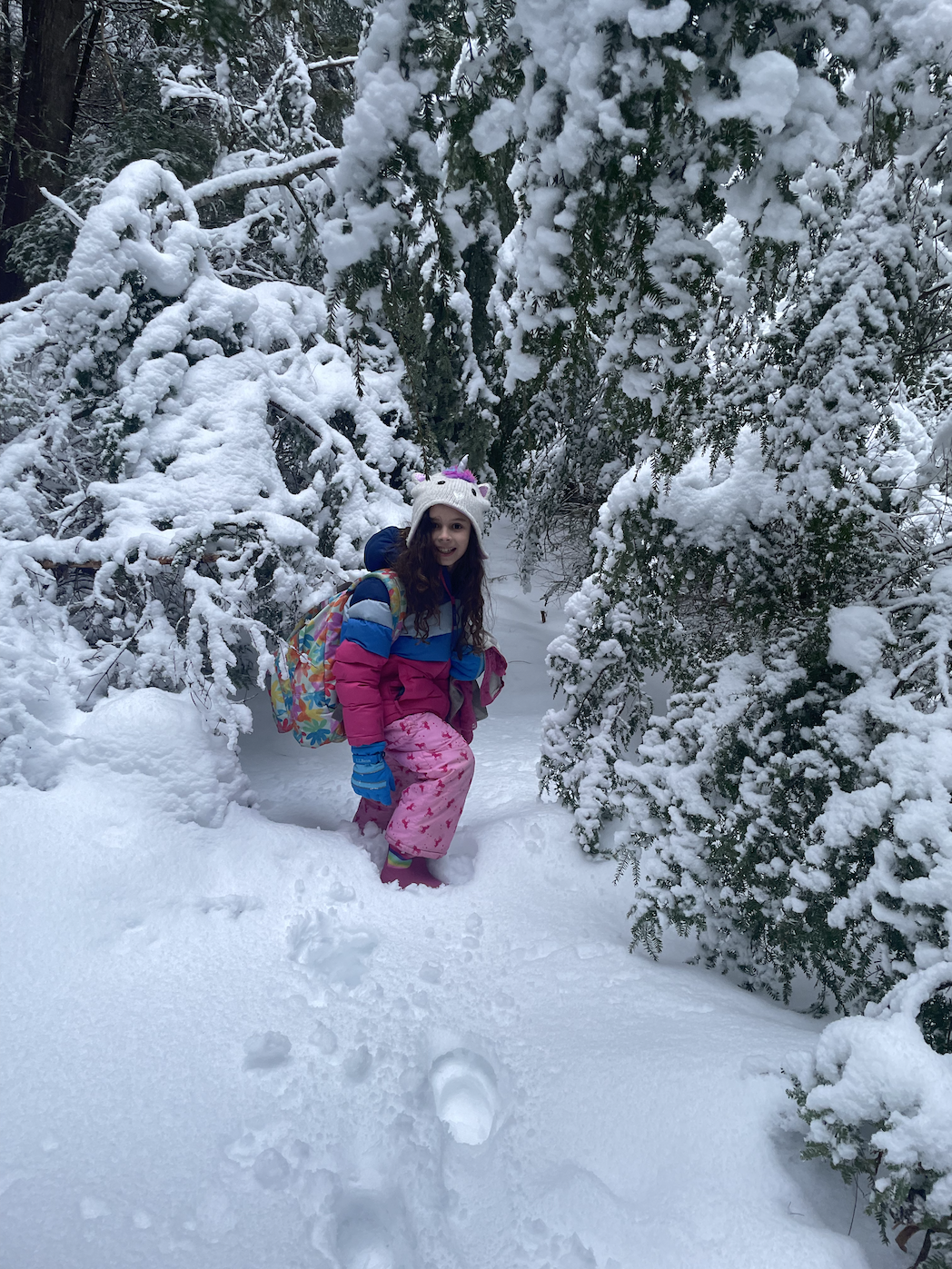
    In our household, it’s “Pink Blankie.”   If you note the picture from our most recent winter excursion, Pink Blankie™ is clutched even during the hike through oodles of snow.

    This little thing is often of such comfort to our precious little girl.  There are times when it smells absolutely terrible, but knowing what it does for her makes it easy for us to fight for the watery eyes it induces.

    Extensively Plan Meals and Snacks Ahead of Time

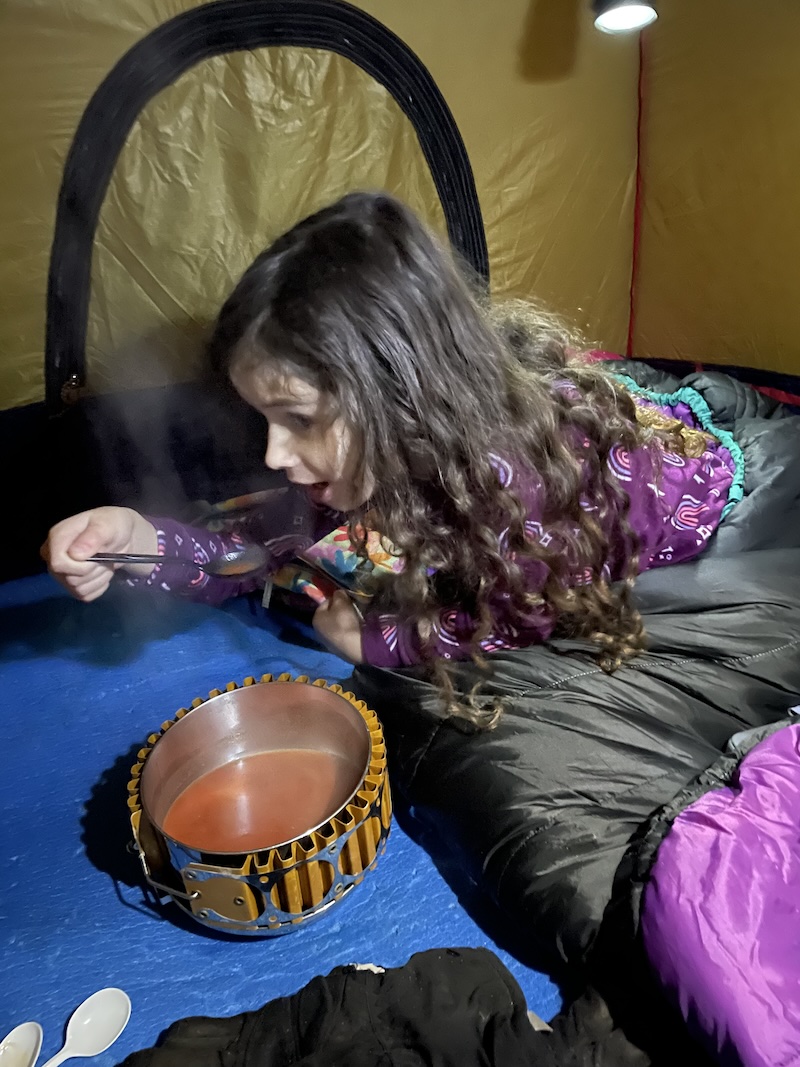
    In an age when people really emphasize ultra-light backpacking, when I go with my daughter, my pack is assured to be heavy.  The largest reason for this is that her favorite camping meal is condensed tomato soup from a can.  It is the only thing I can be certain she will eat.  Some children (not mine) like things like gummies because they like oral stimulation.  She’ll nosh on Goldfish.  Yes, I know they are not hechshered, but the whales are not something she’ll eat.

    My daughter eating tomato soup

    On the Trip

    Let a Weary Kid Take Breaks at a Predictable Interval

    It’s so important for your child to know when a rest break, especially one involving a pre-determined snack, is going to take place.  Let them know it’s coming at time.  “We’ve been walking for twenty minutes since our last break, we will break again in ten minutes,” with a similar warning again in five minutes.

    The break can be timed, too.  It’s important to set expectations at all points.

    Audio/Video Device with Noise Cancelling Headphones

    Some children without autism struggle with sleeping in the woods.  My child does best with her iPad, which yes, we schlepped, and a few familiar films downloaded to Disney+ or Netflix for watching.  This lets them block out the crickets, the beaver activity, the hail against your rainfly, or rumbling thunder.

    Recount Exciting Parts of Your Adventure and their Bravery

    One of the things I do in the age of these electronic devices that are so ubiquitous is give my child the space and time to recount their key achievements on the trail.  On a trip this past summer to Katahdin Woods and Waters, our hike began with a crossing of Wassataquoik Stream.  This is a day ending in “Y” for most backpackers, but for my wee child, it was The Most Exciting Thing Ever.  So I recorded her reaction to her achievement after we made it across.  This will always be one of my cherished memories, too.

    Don’t Refuse to Bail

    The most important thing is your own flexibility with regards to your plans.  It’s very easy for any child’s willingness to go on these excursions to take a beating if things go sideways.  It’s that much more debilitating for children who have no out from sensory overload and other experiences.  For my daughter, one trip where her feet were wet for a little longer than she expected threw a wrench in her ability to enjoy herself.  I committed to turning around after only one night on a multi-day excursion.

    Your child’s well-being comes before your trip, and the reality is, children (and adults) with autism deserve just as much as anyone else to be able to enjoy our wilderness.  With a little bit of consideration, you can enrich your children’s lives with the great outdoors.

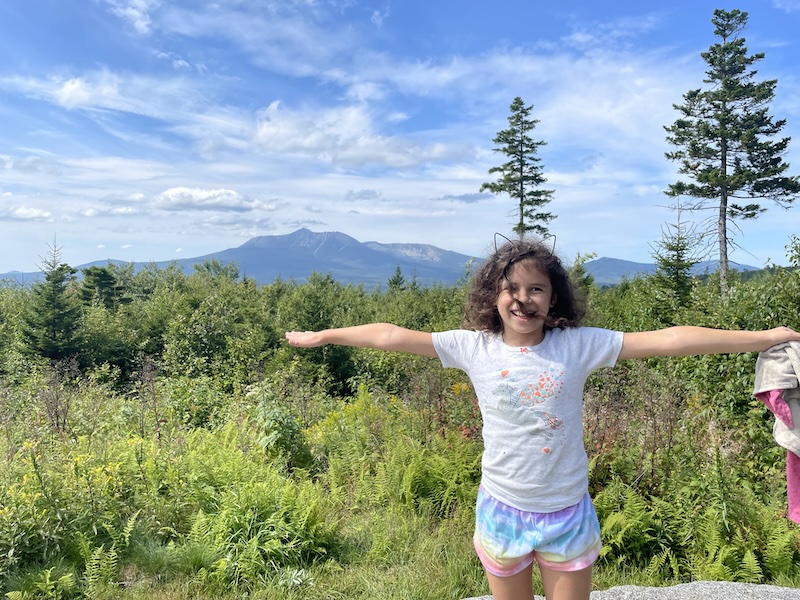
    My daughter in front of Mount Katahdin.

  • The Kosher Backpacker, The Wandering Jew

    The Kosher Backpacker, The Wandering Jew

    This is a modified version of the foreword that appears in my book, The Kosher Backpacker, as an introduction to this site.

    – Brian Kresge, aka “Strings Attached”

    I saw a mountain lion in the Adirondacks.

    It was a long, humid weekend in the early 2000s.  My late Labrador Retriever, Max, and I took in a backpacking trip in the High Peaks.  The humidity became rain.  This seemed to discourage too much backcountry travel, as Max and I had the woods and peaks to ourselves.  The ceiling was still low enough to command decent views, so we still ascended Lower Wolfjaw.

    Coming down Bennies Brook Slide was shaping up to be a monotonous, slippery mess.  I happened to glance back up towards the peak, and I saw a brown shape saunter out of the woods on the right side.

    It looked at me.

    I looked at it.

    You hear sightings like this year after year, but none of them are proof that the Eastern Mountain Lion is not extinct.  I know what I saw, but I had a suboptimal digital camera, the kind that barely took decent resolution photographs, and in those days, I kept it in the top of my back, not easily accessible.  I cannot prove what I saw, and even if I had taken a picture, my candid-capable camera would have produced a questionable fawn splotch against the gray and green background.

    It’s still one more mountain lion than I’ve seen observant Jews on “the long trail.”

    When I’ve hiked through the northeastern Pennsylvania, New Jersey, and New York sections of the Appalachian Trail, or in the Catskills, or when I’ve been on hikes through popular areas of the White Mountains, I’ve met families of religious Jews.  In all cases, it was a day hike.

    I have yet to meet a Torah-observant Jew on a thru-hike.  I don’t believe it’s because Jews don’t have a relationship with the outdoors, or our summer camps wouldn’t be as central to young Jewish identity as they are.  This also isn’t to say there aren’t any or haven’t been any—after all, if you’re reading this, you know of at least one.  We may not literally have crossed paths.

    This website is designed to be a compliment to The Kosher Backpacker, but also as a resource to Jewish and non-Jewish hikers alike.  Kosher recipes, halachic guidance on aspects of hiking and thru hiking.  We’ll even help you with your own trail journal.  We have a suite of apps for kosher backpackers, including a GPS-enabled Appalachian Trail guide.  We will, as time permits, add Pacific Crest and Continental Divide Trail guide apps as well.