Category: Wilderness Parsha

  • Pesach on the Trail

    Pesach on the Trail

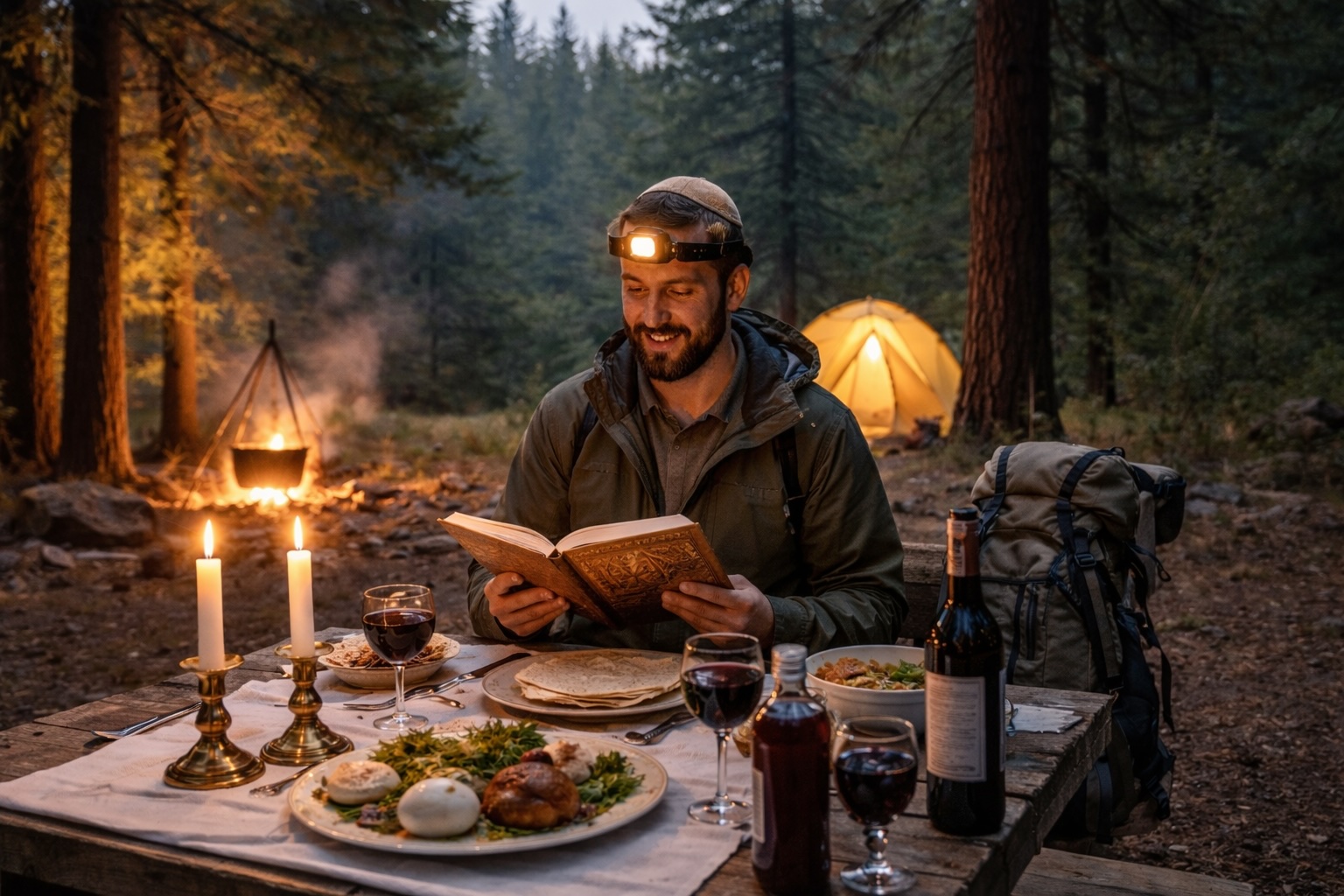
    The fire burned down to a bed of coals by the time they reached Maggid, recounting the story.

    The Appalachian Trail stretched nort hand south in a narrow corridor of shadow and pine, a ribbon of dirt that held what little warmth collected during the day, even as the April night cooled around them.  Somewhere below the ridge, water moved steady and unseen.  Above, the sky had opened between naked branches, a scatter of stars caght in black limbs.

    Eli adjusted his headlamp, then clicked it off.

    “It’s too bright,” he said.

    Nearby, Jonah was wrapped in his sleeping bag like a cocoon, only his nose and glasses visible.  Gripping his Haggadah from within his down casing, he looked like a weird amusement park mascot.

    Eli got to “ha lachma anya…” and hesitated.

    The words stayed in the cold air, colliding with the smell of woodsmoke and damp earth.

    “This is the bread of affliction,” he finished softly, putting back down the matzah, which lived in a plastic freezer bag.  It had broken into uneven shards during the hike.  “…which our ancestors ate in the land of Egypt.”

    Miriam laughed.  “Also, it’s the bread we packed badly, and this is what survived.”


    They did not plan it this way.

    The original idea was simple: finish the stretch from Springer Mountain to Hot Springs by early April, then catch a bus to Atlanta in time for Passover.  Weather, blisters, and a stubborn insistence on “just one more ridge” stretched their timeline until the calendar caught up with them somewhere in the Smokies.

    So, they stayed and resolved to do a seder on the trail.  A friend met them around Fontana Dam and delivered a 5-lb box of matzah, which the travelers distributed among them.  It would carry them, along with some tuna, through both the Yom Tov and chol chomoed days of Pesach.

    “Freedom is wherever you are,” Eli declared loftily that afternoon, unpacking supplies at the shelter.  “Or at least whevever you decide to stop walking.”

    They had improvised everything.  The seder plate was an old mess kit lid.  Bitter herbs were dandelion greens Miriam insisted were “definitely edible.”  The charoset was a mixture of apples given by a “trail angel” at the last major road crossing, and some nuts carefully picked out of trail mix, with a splash of Manischewitz for effect.

    They had a chicken bone with some gore on it for the shankbone.  The egg…the egg had been the hardest.  Jonah carried it for two days, nested in a sock, protecting it like contraband.  When he finally pulled it out, it was miraculously unbroken.  There had been a moment of genuine awe.


    Now, deep into the telling, their voices rose and fell with the rhythm of the text.

    “We were slaves to Pharoah in Egypt…”

    “Now we’re slaves to this trail,” Jonah muttered.  He was the least enamored of their thru-hike, coming along mostly for fear of missing out.

    “No,” Eli corrected.  “We’re choosing it, and that’s the whole point.”

    Miriam leaned back on her hands, looking past them into the trees.

    “My grandmother at our seders used to say every generation has its own Egypt,” she said.  “Not always a place.”

    They thought for a moment about some of the hostility they had met from other hikers on the trail.  A kid on Blood Mountain sporting a kaffiyeh and a lot of opinions.  The trio didn’t have an answer for him, but he harassed them for a solid day until severe chafing took him off the trail.  They weren’t there to talk about Israel or Gaza, though they had all done Birthright together.  They were there to hike.  Not that they minded when they heard he came off the trail.

    Jonah gestured all around, possibly to the dark woods, their worn packs, the endless miles behind and ahead.  “All of this is definitely suffering.”

    Miriam was quiet for a moment, and said, “I think it might actually be the leaving, which was actually headed towards something else.”

    None of them were particularly religious, but as Jews are wont to do, they still were finding meaning in both Passover and their thru-hike.

    When they reached the Four Questions, they again paused.

    “None of us are kids, really,” Jonah said.  “Who asks?”

    Miriam and Eli put their fingers on their noses and declared, in unision, “Not it!”

    Jonah sighed, straightened slightly in his sleeping bag, and said, “why is this night different from all other nights?”

    They let the question hang for a moment.  The forest definitely wasn’t going to answer.

    The night was different than all other nights, and all other Passovers.  It wasn’t the improvised ritual objects.  It wasn’t that they lit the Yom Tov candles in a windproof candle lantern that they planned on using for the next two stationary days on the trail.  No, they weren’t religious, but there was something they wanted to get right.  They were in the middle of a long journey largely defined by continuous movement north, always north.

    Yet here they were, taking a moment to choose the freedom of stillness and a memory of their people.


    Later, they sang.  At first they were quiet, possibly a little intimidated by boisterous choral work in the middle of nowhere.  As “Dayenu” echoed through the trees, it was somehow softened by pine needles and moss.

    “It would have been enough,” Eli said, translating the obvious.

    Miriam smiled.  “Would it, though?  I could do with something a little better than matzah for the next eight days.”

    “Probably thats a ‘no’,” Joshua chimed in helpfully.

    Then they sang it one more time.


    By the time they said, “next year, in Jerusalem,” the fire was nearly gone.

    They poured themselves one more mug of the Manischewitz.

    “To freedom,” Eli said.

    “To getting to Maine before I lose interest,” Jonah added.

    Miriam lifted her cup last.

    “To knowing when to stop walking,” she said.

    Somewhere, in the dark, an owl hooted.

    The shelter was only a quarter of a mile from the Appalachian Trail, which waited.  It was indifferent and patient, stretching onward from Georgia to Maine.

    For that night, though, they stepped out of it.  A thru-hike is often a race filled with variables and questions.

    Are the contents of my pack necessary to take me to Katahdin?  Do I have the right shoes?  How many miles do I need to do per day to get to Maine by September?

    For the early weeks of a thru-hike, the conversations are in orbit around gear and plans and the hike, insufferably banal conversation that loses track of the beauty of place and time.  The point was the journey itself, not the destination as a goal, and stepping out of it for a night was useful.

    They made a small circle of light in the vastness of the woods.  They remembered that very little in the Exodus story talked about the distance the Hebrews put between themselves and Egypt, just the leaving itself.  The meaning was in the motion, and now, the meaning was in the pause for the space of memory.

    When they finally crawled into tents or the shelter, the words lingered as something that would carry forward beyond the trail.

    Next year…

    Maybe not in Jerusalem, or maybe so, but definitely further along the path, closer to whatever freedom might be.
  • Purim on the Trail: Hidden Miracles in the Backcountry

    Purim on the Trail: Hidden Miracles in the Backcountry

    If you’ve ever spent a night in the backcountry, you already understand Purim in a way most will not.
    It’s not the costume parade version, not the getting sloshed, and not the children’s sugar rush.
    It’s the deeper meaning beyond graggers and the mitzvot and megillah. Those are so important, but we’re an outdoor effort, so we’re going to make it about that.
    Megillat Ester reads like a palace drama set in Shushan. It’s full of royal decrees, political intrigue, banquests, betrayal, and ultimately, vindication. It’s urban and imperial.
    And yet, I would assert it is still a wilderness text.

    When You’re Far from Power

    Backcountry hiking begins with the decision to leave infrastructure behind for a time.
    You won’t have a cell signal or data service. There are no quick exits, and definitely not even a guarantee that the weather will hold and you will be safe.
    I think that is the position of the Jews we find in the Megillah, which consequentially, is perhaps the first book where they are specifically referred to as Jews. They are scattered across 127 provinces of the Persian Empire. They are far from their sovereign, exiled from their Temple, far from any control over their lives. They are living under someone else’s system, dependent on forces they cannot control.
    Anyone who has watched a weather front roll in faster than expected knows this feeling. No matter how carefully you plan, no matter how well prepared you may be, ultimately, you are small under the sky.
    Purim begins with precisely that same sense of scale.  Jews don’t even factor in to the start of the story until Mordecai refuses to bow to an officer of the court.

    The God Who isn’t Named

    If you have a “things rabbis will say about Purim drinking game,” invariably, it will be pointed out that God doesn’t appear in Esther’s story anywhere.
    I think we constantly point this out because there’s a degree of theological discomfort in that. Last year, Nezzie and I pitched on a ridge in the Maine mountains after running out of daylight, it’s actually a familiar feeling.
    In the backcountry, God isn’t any more obvious. There is wind, rocks, hunger, fatigue, beauty, risk, and so many other things. You don’t see providence the way you see a blue or white blaze on a tree. You infer it. You see patterns. You look back and realize a narrow escape down a ridge from a lightning store may have been the hidden hand of something, well, bigger.
    I think Purim trains us in that kind of noticing.
    God is concealed in coincidence, the right people in the right place at the right time. Circumstances turn favorable. The king’s insomnia, a conversation overhead, Esther’s improbable escalation to a place of prominence with the king…it’s all there.
    Concealment isn’t the same as absence, we learn. There’s a reason why we find God in the wilderness so often, because the subtleties of Creation stack up.

    Esther at the Trailhead

    There is a moment in the Megillah when Esther stands at a threshold. She has to decide whether to approach Ahashverosh without being directed to, which is a potentially capital offense.
    It’s kind of a trailhead moment.
    I don’t feel this on a weekend hike, but I do feel it on undertakings like a thru-hike of the John Muir Trail or the Appalachian Trail.
    Am I really doing this? you ask yourself as you sling your pack on your shoulders and leave the gravel parking lot behind you.
    Esther’s decision is not triumph, but rather, “if I die, I die.”
    That’s the language of risk!
    Most backcountry travellers understand this innately. Risk mitigation, training, preparation do not eliminate uncertainty. I don’t think hiking is courageous, not in any useful sense, but you move forward with a certain degree of surrender.

    Costumes and Camouflage

    I’m not one for the clamor of Purim. I also don’t like synthetic Halloween costumes recycled for this holiday. My daughter, Nezzie, makes her own costumes, which I love, avoiding the intrusion of the consumer mindset into the holiday.
    The deeper theme, of course, is concealment.
    In the wilderness, concealment is about survival. In Maine, snowshoe hares change color with each season. Seeds lie dormant underground for months before breaking open. The forest in the winter can look dead (unless you live in Maine with its surplus of pines), but it’s still teeming with life.
    Esther conceals her identity while Mordecai urges tactics and strategy from background. Even the divine presence is camouflaged in the folds of ordinary events.
    The backcountry teaches me the same lesson: what looks empty is often full. The white silence is still very much alive. There’s a whole ecology in play that isn’t immediately obvious.

    Joy After Survival

    When the danger is over in the Megillah, the response isn’t quiet relief, although I’m sure there was some. Our response is festive and celebratory, a time to exercise generosity and public joy.
    You can find the same joy, I think, standing atop Mount Katahdin at the end of the Appalachian Trail. Breaking through the treeline and to an open summit, there’s an earned sense of excitement and jubilation you don’t find at the foot of the mountain.
    You’ve got sore muscles, windburn, sunburn, but you’re going to have the best memories of it. The experience of the Jews in Persia, I imagine, was like that. We were vulnerable. There was a real threat to our survival, and just as today, the persistent realization that the outcome could always go differently, in no small part because we know it has.
    I don’t think the Megillah’s “light and darkness and joy and honor” is naive optimism, just post-storm rays of light peaking through.
    I do think the optimism is trite, to a certain degree. We do the “they tried to kill us, we survived, let’s eat” thing, but the subtext is that our celebrations are a therapuetic salve to our national soul. Sometimes, they really did kill us, and there was no hanging of Haman and his sons at the end. Either the killing stopped or they ran out of Jews to kill. The celebrations are our way through.
    And for me, that’s the same story. I get back to the trailhead on a Sunday. The next day, I’m back in “real life,” where I lose that connection I find in the wilderness. Reality sets in at the end of Purim.

    Reading the Megillah Under Open Sky

    What if we read the story outside this year?
    I mean, here in Maine, we still have a couple of feet of snow that hasn’t melted yet. It’s end of February, beginning of March. We still have more than a month of winter conditions.
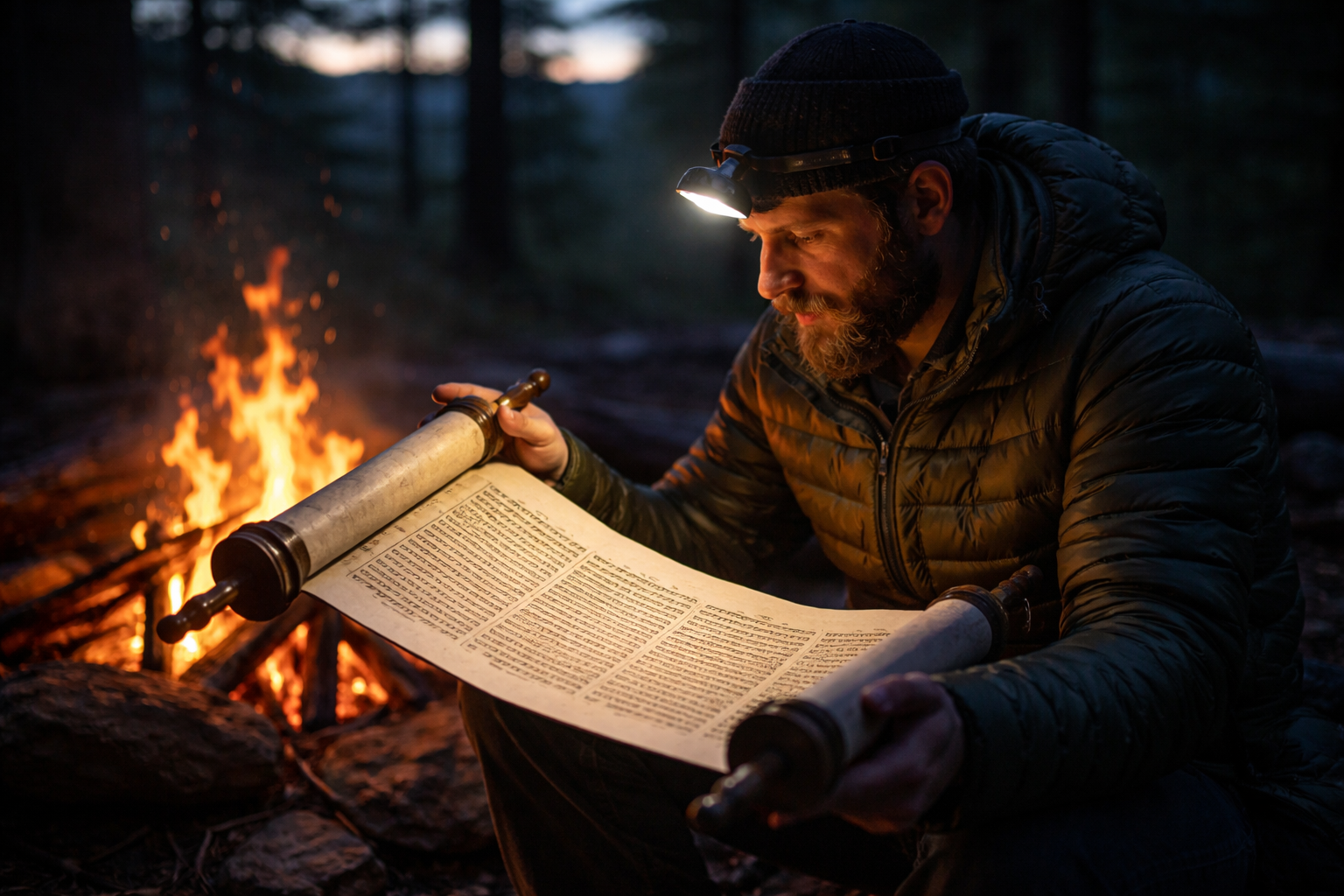
    But imagine reading the Megillah by a headlamp. Hearing Haman’s name swallowed by wind instead of graggers and sactuary acoustics. Passing mishloach manot from pack to pack. On the Appalachian Trial or Pacific Crest Trail, which sees hikers embarking about now, giving gifts to those in need as a “trail angel.”
    Purim teaches about survival when we don’t control our circumstances, and the outdoors is always a master class in that truth.

    The Hidden Trail

    There’s a final wilderness connection that feels very Purim-like.
    Years and years ago, we did a two week ramble across the breadth of Wrangel-St. Elias National Park in Alaska. There was no trail to follow, just a nebulous route with a compass and a map. You had to look for terrain features, find identifiable points in the distance as a reference, and use a compass and maintain a pace count.
    The divine in the Megillah works much like that.
    Purim isn’t about obvious miracles. It’s about assuring us that even in exile, and especially in times of political chaos, when God’s name is nowhere on the page, there is still a story unfolding around us.
    On a long hike, where you’re following the gravel braids in a river, you only recognize the miracle after you’re at journey’s end.
    For me, that’s why Purim belongs outdoors.
    (In fairness, I think every Jewish holiday belongs outdoors)

  • Memorial Day

    Memorial Day

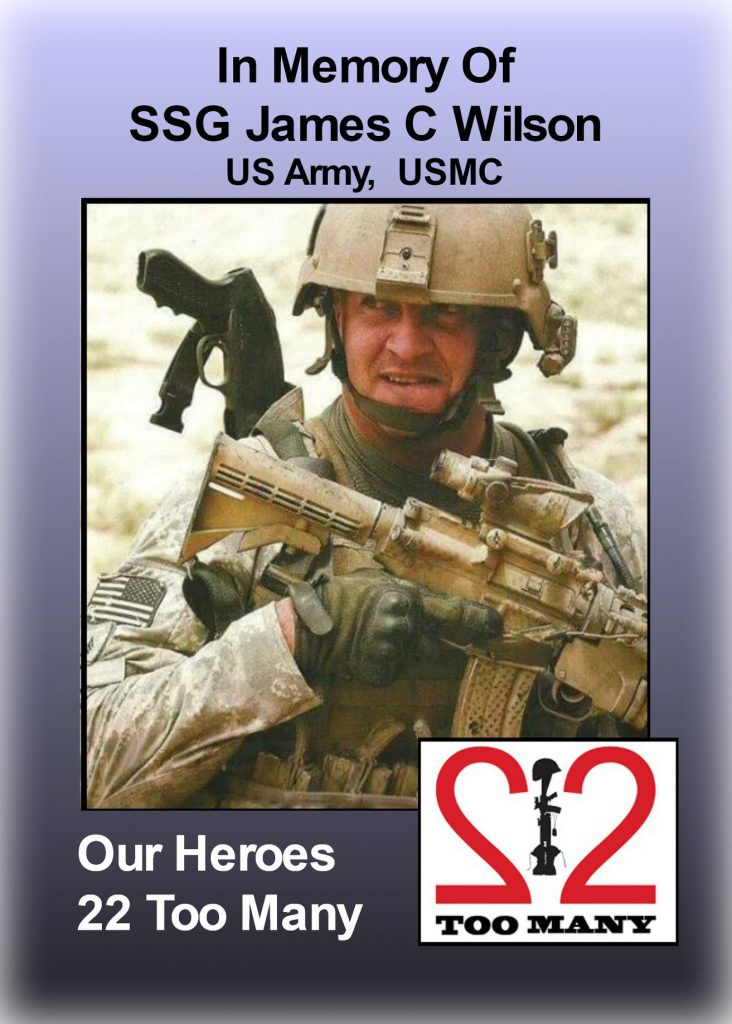
    When my unit returned from its Operation Iraqi Freedom mobilization, I had a conversation with my friend, Jimmy. I came home early due to a custodial matter, but we stayed in touch for the duration of the tour. He did well, he really came alive in Baghdad. He wanted me to volunteer and come with him for the Afghanistan mission with another unit from the Pennsylvania Guard. For a variety of family reasons, I could not, but I wish I would have.  He was a good friend and a cunning warrior.

    Shortly after his return from Afghanistan—we hadn’t reconnected—after wrecking his vehicle, while waiting for responders, Jimmy took his sidearm and took his own life.  There’s been a lot of speculation in the decade-plus that’s followed.  Many think PTSD.

    I’m never sure about that diagnosis.  Jimmy was a loud, obnoxious, prior-service Marine with a heart of gold buried deep.  I often share the story of what a soft touch he was with the citizens of New Orleans when we helped out in the aftermath of Hurricane Katrina.

    I think that in many cases, it’s the return to the mundane that does many soldiers in.  The sharp contrast between The Most Important Thing You Will Ever Do In Your Life that comes with wartime service and the rest of your world after.  It was something my late, great-uncle, a Marine veteran of Iwo Jima and Guadalcanal, warned me of, the sense that the only noble purpose he would ever have boils down in his own words, “in how many Japs I killed and how many friends I lost until we won.”   He found the truth:  a life well-lived and enjoyed, being a husband and a father, far surpassed the horrors of war in terms of nobility.

    What dignifies and reflects your belief in God? This question posed by my great uncle was expressed somewhat differently, but that’s what I took away from his letters to me when I was in infantry school.

    I think Jimmy couldn’t detach his assumed value from being wound up in his martial professions.  With the possibility of consequences in the Guard and in his job as a police officer for drunk driving, I don’t think he could see his worth extending beyond the immediate troubles.  I wish he could have asked any one of his good friends for help.

    And while we honor him, Memorial Day ends up being a paean to the virtues of sacrifice in combat.  Jimmy may be mentioned, but there’s always going to be an asterisk.  He’s fodder for anti-suicide campaigns, but in that he’s only a pitiable figure, not a resolute combat leader that bravely led successful missions and brought his men home safely.

    *

    She sobbed in the passenger seat of my car.

    I drove her to a town an hour away where she faced a hearing for driving under the influence.  We managed to get things transferred to the Lancaster County Veterans Court.

    Rabbi Jack Paskoff of Shaarai Shomayim in Lancaster pushed me towards this a few years before, in a role as a “veteran mentor.”  He knew I was looking to act on the open wound that was Jimmy’s suicide, and my own struggles with overseas service.  A local judge, whose wife was a member of the congregation, was standing up a diversion program specifically for veterans in our county, an opportunity to give them a second chance rather than saddle them with felonies and misdemeanors that would follow them.  All a veteran had to do was have an honorable discharge; combat veterans were not the sole recipients of this legal largesse.  As a mentor, I was like an AA sponsor, helping them stay on a path of sobriety, helping them with a restorative justice project that was required, and if they had license suspensions or probationary sanctions, helping them deal with those.

    I had some qualms about giving people who served in peacetime a chance when there were veterans whose criminality was directly associated with their service, until I met this young woman.  As more female and trans veterans came through the program, it became obvious that a court modeled after drug court or a 12-step program was not going to be sufficient for helping those with Military Sexual Trauma.  She never deployed, but she suffered greatly at the hands of her fellow Marines.  This program was never going to help this young woman so long as it forced her to relive the trauma of her rape, the details of which are only ever her story to tell.  And what was done to her cost her so much, including a presence in her children’s’ lives.

    That day that she cried in my car, I worried that she’d opt out on living in the same way so many of my friends have.  Today, she is doing well.  She is health and happy, and it’s not because of anything the system has done for her.  It’s her own strength, and reuniting with her community and family.

    That time I spent with her was deeply affecting.  I decided after that I would strive to make a difference as a non-commissioned officer, especially after I moved from infantry, which was all male at the time, to logistics.  I took my final break in service from 2020-2022, during which a former soldier contacted me about her own rape, and the insufficiency of the Maine National Guard’s response was exposed by the Bangor Daily News.  When I came back in the service in 2022, I was told during my initial counseling in my unit that some felt “I had betrayed the Guard” in both speaking to the paper and testifying before the state legislature about the culture of misogyny I witnessed.  In many ways, I wear that like a badge of honor.  Very few male soldiers speak up or spoke up about what they’ve seen or done themselves, or their own status as survivors of sexual assault.  It’s something I see improving in terms of training and a “see something, say something” culture in uniform.

    During my testimony, I told a highly personal experience of my assault, when during a hazing ritual 30 years ago at the 101st, I was subject to an act of a sexual nature, causing humiliation and bleeding.  I hadn’t spoken of that in 25 years.  I even became close with my team leader, who did it.  It’s a strange, horrible thing, and I am glad our military culture is reshaping itself.  We’re trying to drive a stake through the heart of the “good old boy” system, and it’s working.

    Nevertheless, I still see the cost to people still harmed by toxic culture every drill weekend.  I hear it in the voices of survivors who will never see justice.

    I’ve become treasurer of The Sisters in Arms Center, Maine’s only female veteran focused transitional living.  We’re working hard to provide a home for female and trans veterans, but we’re also trying all the time to expand our services to survivors of Military Sexual Trauma.  Most of my work centers on budgeting and fundraising.  The heavy lift is done by our Executive Director, who also is a commissioned member of the Maine Army National Guard.  It’s purposeful work, and while I hate that there’s a need for it, it’s not a legislative priority, in spite of the attention on it for over a decade, and funding is in short supply.  Outpatient services from the VA are difficult.  The reporting system, to my mind, is still broken, especially in the Guard or Reserves.

    We held a well-attended viewing of a documentary about Vanessa Guillén at Congregation Beth Israel in Bangor.  I invited speakers from the military and agencies.  The needle moves slowly.  I worry it will be lost when the committed leaders with immediate command of soldiers move on to new roles.  It’s an institutional change that has to be embraced in the same way we treat each generation as having left Egypt themselves.

    We don’t even mention survivors of MST on Memorial Day.  Their service cost them so much, and yet, we’re squeamish about raising the subject.

    *

    These are among the reasons why I struggle with the ceremonies of Memorial Day.  Whether it’s the somber pomp and circumstance of a parade or memorial service, or the festive beginning of summer motif, I feel like there’s so much that was lost to remember.

    It’s that the Reservist or Guard member that deployed, fought, and bled in a Baghdad neighborhood and goes back to an unremarkable career as at best box store middle management, drinking himself to death and driving loved ones away.

    It’s that a woman who was gang raped and driven from the service by the trauma has to watch people who assault her honored with awards and retirement ceremonies.

    You can only hear “freedom isn’t free” by a young essayist so many times before you realize our memorials are as superficial as our concern for an all-volunteer force that is still immersed in a military action that started 23 years ago.  People are often surprised to find out soldiers are still deploying to active combat zones on the same Congressional Authorization for Use of Military Force that kicked off our invasion of Iraq.

    And it’s that much more acute when it comes on the heels of Yom HaZikaron.  Israel puts us to shame with how it memorializes its war dead and the cost to its veterans.

    Every year, I find it harder and harder to abide the way we do Memorial Day.  So I retreat to the woods, and dwell on it by myself standing atop a mountain or by a wilderness brook.

    This year, I’m trying something new. I wrote my thoughts on how Judaism has a salve for moral injury a few years ago, an idea I continue to refine.  Now I’m combining it with enrollment at the Pluralistic Rabbinical Seminary in pursuit of smicha.

    Years and years ago, I finished daf yomi at Siyum HaShas in 2005. I tried my hand at hadar with Chabad Lubavitch, but the movement wasn’t for me any more than the life of a shaliach, though it took me fifteen years to figure that out.  While Leah and I maintain a kosher home and live very Jewishly, inhabiting leadership roles within our community, affixing a label to what kind of Jews we are is less important than producing measurable results in our Jewish community and its intersection with the local non-Jewish world. With the influence and help of two non-Orthodox rabbis I hold in high regard, I was accepted into PRS’ program this year. I want to work on combining the concepts of hitbodedut and the answer Judaism has for trauma in ways that help Jews and non-Jews alike.

    We have the tools in our tradition to do this with. Gemilut chassadim, tzedakah, study of Torah, or a combination of these things “avert the decree” during the Days of Awe, but they also carry manifest obligations.  We are explicitly told what we must do in the rhetorical question posed by a High Holy Days haftarah, “is this the fast I seek?”

    There’s Rambam, too, with his semi-Aristotelian “golden mean.”

    Those substantive tools and concepts may help others get through trauma, in no small part because our traditions have been shaped by millennia of hard times.  I hope to bring that to bear as part of my capstone project, expanding on Nachman of Breslov’s hitbodedut in a manner tightly wound with our tradition and ritual to help others.  There is so much work to do to ply our tradition to sexual assault, which is problematic when it comes to rape—the penalty in Torah is unfathomable today—but October 7th reminds us it is not new to us.  How we heal is so important.

    *

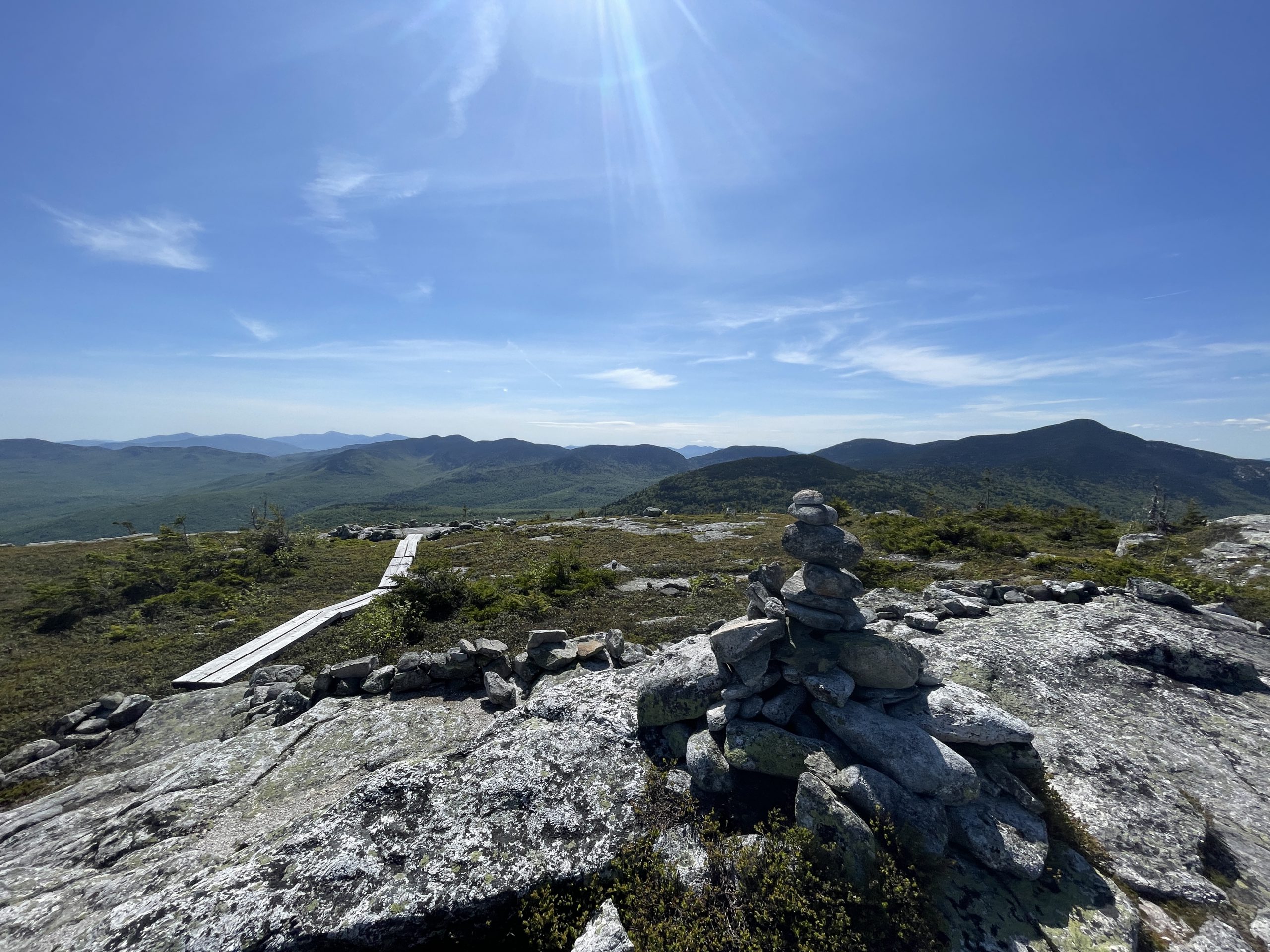
    On the clearest days, with the bluest of skies, and the most aesthetic punctuation of fluffy, white clouds, I stood atop Sunday River Whitecap in Maine and cried.

    The wind was blowing strong.  I adjusted my hat so it fit snugly against my scalp.  From the top of this beautiful peak, I could see the White Mountains in New Hampshire and Maine, the Mahoosuc Range, the valley carved by the Androscoggin River, and the nearby Sunday River ski resort.  It was so beautiful.

    This year I picked the Grafton Notch Loop for my Memorial Day weekend outing.  I invited others, but everyone had other plans or limitations.  Ultimately, this was fine.  I was grateful for the solitude.

    I remembered something from Man is Not Alone by Abraham Joshua Heschel.

    We can never sneer at the stars, mock the dawn, or scoff at the totality of being.  Sublime grandeur evokes unhesitating, unflinching awe.  Away from the immense, cloistered in our own concepts, we may scorn and revile everything.  But standing between earth and sky, we are silenced by the sight.

    Today I feel residual awe.  Today I feel like the world was created for me.  And if it was created for me, it was created for Jimmy.  It was created for every survivor of MST.

    How is there space for self-revulsion and self-hatred when we realize we’re a part of a beautiful Creation?

    I know it’s very reductionist to assume that if I could have stood Jimmy on a mountain top on a clear day, that he’d still be with us.  Nor could a mossy forest floor undo the damage done by rape.

    Finding a Jewish answer to these things is possible.  I know time spent outdoors, reconnecting with natural beauty, is a catalyst for finding goodness within ourselves.  Perhaps I can come one day soon to Memorial Day and feel like I have a contribution in the face of the things I hate.

    Until then, I will honor my friends by saying their names into the wind upon a mountain.

    Brian is President of Congregation Beth Israel in Bangor (Maine’s oldest synagogue), Treasurer for the Sisters in Arms Center in Augusta, a former paratrooper and transportation manager in the Maine Army National Guard, and a director of software development for a healthcare provider.  He’s also an author, musician, and now a rabbinical student!  He lives in Winterport, Maine with his wife, Leah, and their daughter, Nezzie.

  • A Parsha Insight, and COVID-19 Hiking

    A Parsha Insight, and COVID-19 Hiking

    Many a drash on the Torah this weekend will deal with the little alef in “Vayikra.” We’ll hear the Ba’al HaTurim’s take on it, which tackles Moshe Rabbeinu’s humility in “the Lord called to Moses” vs, “the Lord happened to talk to Moses.”

    I like Rabbi Lord Jonathan Sacks’ take on this a little better. Alef isn’t only the last letter in “vayikra,” but is the first letter of the alef-bet, and also the first letter of the 10 Commandments. “Anochi” – I am the Lord your God. Rabbi Sacks posits that the alef is written puny to emphasize that God’s presence isn’t always grand and obvious, but sometimes just the small moments.

    Obviously, since this is a website with a Torah-centric outdoor mission, we’re all about finding the Divine in small moments.

    What you shouldn’t do right now

    The Appalachian Trail Conservancy is urging hikers not to undertake thru hikes or section hikes. Similar constraints are recommended for the Continental Divide Trail and the Pacific Crest Trail.

    The reality is, none of these trails can be undertaken without risky travel to and fro the trail. You cannot avoid exposure and violations of social distancing in trail shelters. You cannot avoid exposure during resupply.

    The trails will still be there.

    You should leash your dog while hiking. While dogs cannot, so far as we know, be infected and spread the infection, they can be contact conduits, given how long the COVID-19 virus is known to live on surfaces.

    This is not the only problem with unleashed pooches. If your dog does not respond well to vocal commands, and is sniffing around another hiker, you may have to violate safe distance in order to retrieve your dog.

    Put a leash on your dog, or stay home.

    Consider avoiding crowded trails. If you see a parking lot full of cars, consider how well you might maintain social distancing on narrow footpaths. If you have to step off-trail to avoid contact, consider the ecological damage you might do, and how this violated the Leave No Trace ethic.

    If your hike involves a long drive, think about fuel purchases and how you’ll handle those.

    What you should do right now

    Go for a hike with all the caveats in mind. Since our synagogue has shut down, I’ve taken my daughter, Nezzie, for a hike every weekend since social distancing was recommended.

    My daughter, Nezzie, is content just tossing rocks in the stream on our property.

    This is a good time to try that obscure, unpopular trail.

    It’s a good time to try a paddling adventure.

    It’s a good time to find the Divine in those small, everyday experiences with your kids, with your spouse, or even by yourself.

  • A Daf Yomi Wilderness Experience

    A Daf Yomi Wilderness Experience

    In 2005, I was at the Jacob Javits Center to mark the end of my experience with daf yomi at the 11th Siyum HaShas.

    It was one hell of an undertaking. In many ways, my stubborn determination to see it through to the end was a guidepost in my own tumultuous life. It carried through my active duty overseas service, my first marriage, college, the birth of my first two children, three cross-continental moves, divorce, and grad school. A few months after finishing it, I met my wife and soulmate, Leah.

    Daf (page) of Talmud / photo credit Shulamit Seidler-Feller

    As a Jew with a non-Jewish upbringing, I think completing daf yomi brought me a confidence as a Jew that I didn’t have before. The program, designed to make Talmud approachable to Jewish laypeople, for me, achieved its goal.

    As the new cycle starts, there are many of my friends, particularly Reform and some Conservative Jews, who are committing to study. Most of them will not complete it. Many will find it frustrating, perhaps far too challenging of their take on Judaism. Others will be surprised by how boring it can be. This is all fine. Whether we complete it or not, we will learn something we didn’t know before. The most important thing is to grab some small piece of a tradition that belongs to all of us, even if you’ll never practically apply anything you learn.

    As someone with a weird ability to retain anything I’ve ever read, daf yomi was pivotal in my ability to write The Kosher Backpacker. If I didn’t remember the details, I remembered the basics enough to know where to jump off for research, particularly in later works like Shulchan Aruch.

    Of course, being a wilderness blog, this isn’t about daf yomi specifically, but combining my commitment with a 3 week thru-hike of the John Muir Trail.

    Looking back, I can marry specific tractates to life events. The seemingly unending Bava Batra when my oldest child was born. Erchin with my second child.

    For my predictably north to south hike of the JMT in 2001, I started right towards the end of Kiddushin, and ended the hike on Bava Kamma.

    Yosemite Valley from Wawona Tunnel view, vista point..JPG
    By Mark J. Miller – Own work, CC BY-SA 3.0, https://commons.wikimedia.org/w/index.php?curid=24484986

    At the time, the undertaking involved printing these pages and supportive material at home on a horribly temperamental inkjet printer and trying to keep them safe inside a huge freezer bag, along with my siddur.

    Precipitation wasn’t much of a problem, not as much as it was on weekend trips on other trails, particularly in Alaska, but sweat certainly was. Climbing out of Yosemite Valley, for instance, was problematic.

    There were a couple of days that I almost forgot to read, and then I’d remember right before sleep almost overtook me in my tent. I’d fumble quickly for my flashlight and hastily read, perhaps not absorbing it as much as I should have.

    For the longest time, my memories of that hike have been linked mostly to the scenery and the others I met. As I recall, I had a “camp stove” discussion one night about yichud with a trio of UCLA students. They were curious about what I was reading (one of the men was Jewish), and it prompted an interesting and long philosophical discussion about men and women being secluded together, and postulating about the implications for wilderness travel. Remember, at the time, there was no such thing as a smartphone, so it was just a handful of stinky bums, sitting by a High Sierra lake, opining about concepts on a crumpled piece of paper I carried in my bag.

    When I was standing atop Mount Whitney at the end of my hike, the Talmud was far from my mind, but not for long. I realized I had a gap in my printouts for the trip home!

    Mount Whitney 2003-03-25.jpg
    By Geographer (talk · contribs) – Transferred from en.wikipedia to Commons by Zeimusu., CC BY 1.0, https://commons.wikimedia.org/w/index.php?curid=204938

    Now, of course, I am able couple the natural beauty of my traverse of Ansel Adams country with my traverse of a significant part of our tradition.

    I wish great success to everyone who undertakes daf yomi for the years to come. I hope you can connect your daf yomi learning to lived experience as I have been able to.

    How do I start daf yomi?

    In recent years, I started acquiring the beautiful ArtScroll Schottenstein Edition Talmud Bavli. That’s an expensive undertaking, even if you buy a tractate at a time as you approach each, and it can take up some serious book shelf real estate. Sefaria.org has a great number of resources, as does the Orthodox Union, including mobile app resources.

    Future editions of the Kosher Backpacker trail guide apps will also have the daf yomi calendar built in.

    Hikes to pass the Talmud By…

    Given the technology of today, you don’t have to schlep a mess of printouts to the woods, but you’ll still want great trails to maximize your daf yomi and wilderness experience.

    Benton MacKaye Trail


    Named after the Massachusetts forester who proposed the Appalachian Trail, this 300 mile ramble in the southeastern United States doesn’t carry the traffic of the AT, but still maintains the spirit of the region.
    More information here.

    The Long Trail
    Vermont’s premiere hiking trail runs the length of the state. It’s the oldest long distance trail in the country. With the many ups and downs, it’s a good place to think about your place in the world. Just be careful not to end up too tired to read your pages.
    More information here.

    The Israel National Trail
    What better place to study Talmud Bavli than the Jewish State? Give your daf yomi a resonance that no other place on earth can provide.
    More information here.

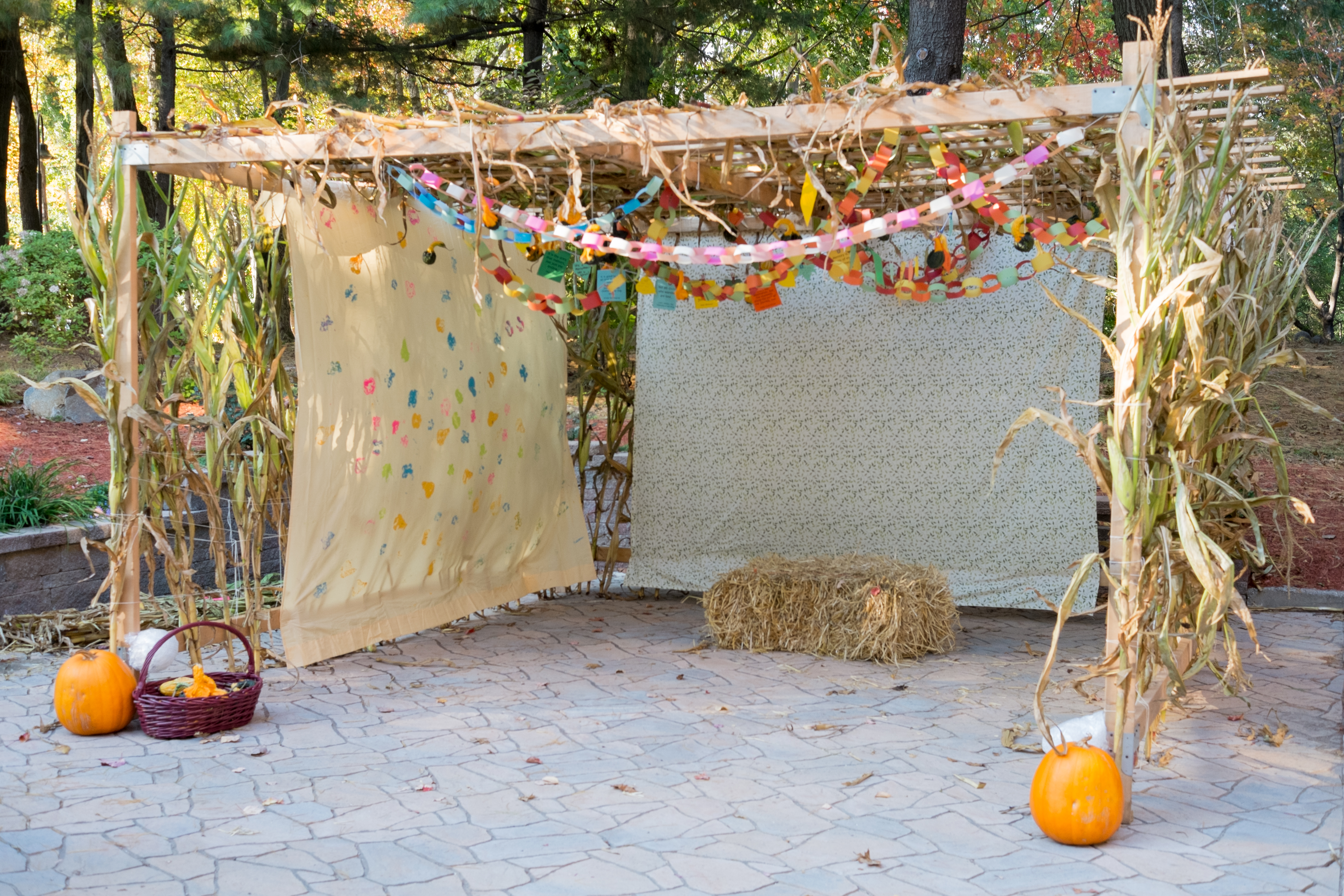
  • Sukkot 5780

    Sukkot 5780

    An Excellent Holiday Entrypoint for Wilderness Backpacking, and to Learn about the Holiday

    You shall dwell in booths seven days; all citizens of Israel shall dwell in booths; so that your generations may know that I made the children of Israel to dwell in booths, when I brought them out of the land of Egypt.

    Leviticus 23:42-43

    I was backpacking in upstate New York during Sukkot one year, somewhere in the High Peaks, when I was hit with a hail storm. I was at least several miles from any of the shelters, so I hastily put my poncho tarp up using my hiking poles and some bungee cords, and listened as the chunks of ice bounced off of the taut sheet of nylon.

    There’s a chronology to the treatment of Sukkot in Torah, the Talmud, the Geonim and Rishonim, and Acharonim through to today, which echoes the approach to all of Jewish life and wilderness experiences.

    We start with just doing it. The concept of a pilgrimage festival and sleeping in a sukkah celebrates both the harvest and as a reminder of where we come from.

    It’s not indistinct from the “call of the outdoors.” We get outside because we want to remember, if that’s the right word, something primal.

    Then, in the Talmud, we get the treatment of how to build a sukkah, and what makes a sukkah “correct” under Jewish law, how we sleep in it, how we take our meals in it, and so forth.

    This is where our relationship to the outdoors matures. Maybe we’ve been carrying too-heavy tents and sleeping bags, cooking our food over fires instead of stoves. Like learning to build a proper sukkah, we’re at this point transitioning to lighter gear and less impactful outdoor practices.

    Finally, we’re left with “what does this mean?” What are the esoteric, moral, and spiritual dimensions of Sukkot? Why do we welcome the ushpizin?

    Will there be land for me to hike on in a decade or more? What can I do to preserve these treasures I backpack through? Why do I keep coming back to the woods?

    Sukkot is a holiday that captures gratitude, providence, the payoff of hard labor, and finally, the Jew’s visceral relationship to his or her history. An outdoor Jew then—especially during Sukkot—is sharing a common space with the ancestor who slept beneath the stars for 40 years in the wilderness.

  • Backpacking with Children

    Backpacking with Children

    I was reading a piece by Rabbi Jonathan Sacks about priorities as related to Parsha Matot-Masei, where he cites Rashi’s commentary on Numbers 32:16. Moshe reorders the priorities in the request of the tribes of Reuben and Gad to stay in land on the east side of the Jordan that was good for raising cattle.

    נבנה למקננו פה. חָסִים הָיוּ עַל מָמוֹנָם יוֹתֵר מִבְּנֵיהֶם וּבְנוֹתֵיהֶם, שֶׁהִקְדִּימוּ מִקְנֵיהֶם לְטַפָּם. אָמַר לָהֶם מֹשֶׁה “לֹא כֵן, עֲשׂוּ הָעִקָּר עִקָּר וְהַטָּפֵל טָפֵל, בְּנוּ לָכֶם תְּחִלָּה עָרִים לְטַפְּכֶם וְאַחַר כֵּן גְּדֵרוֹת לְצֹאנְכֶם” (תנחומא):
    נבנה למקננו פה WE WILL BUILD [SHEEP FOLDS] FOR OUR CATTLE HERE — They paid more regard to their property than to their sons and daughters, because they mentioned their cattle before their children. Moses said to them, “Not so! Make the chief thing the chief thing and what is subordinate subordinate. First build cities for your little ones and afterwards enclosures for your flocks” (cf. v. 24) (Midrash Tanchuma, Matot 7).

    Rashi’s commentary on Bamidbar 32:16.

    “First, build cities for your little ones.”

    For most of my adult life, backpacking has been a solitary affair. However, when my now teenager entered my life, it was amazing how impatient I was for the moment that we could hit the trails together. Indeed, Amelia’s earliest backpacking trips were along the Appalachian Trail in Pennsylvania, followed by forays into the High Peaks region of the Adirondacks.

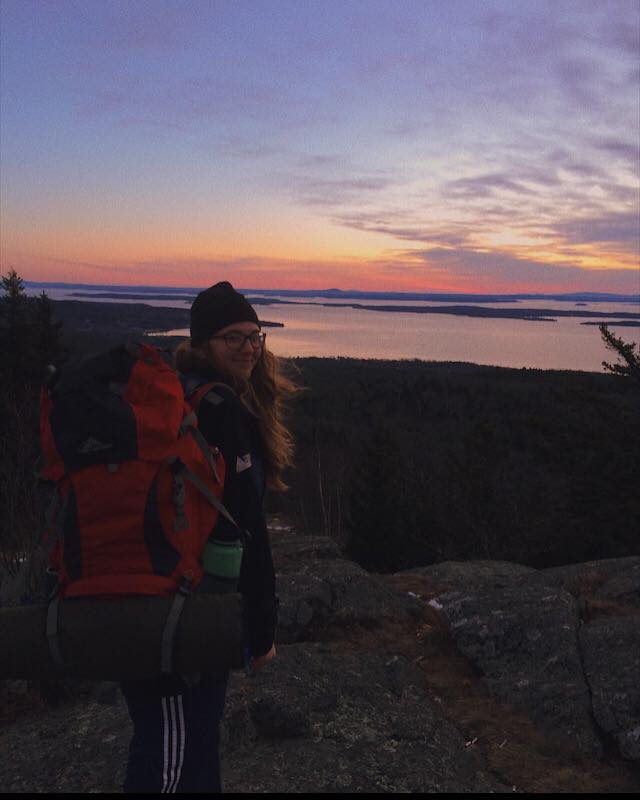
    Amelia on a brisk December backpacking trip to Bald Rock Mountain in Camden Hills State Park near Lincolnville, Maine.

    When you have children, it seems to me that building wilderness experiences for them early and often is the correct Jewish outdoors take on things.

    Amelia still occasionally joins me for trips to the Maine woods, usually via canoe. We worry about the strain of backpacking after her Marfan Syndrome diagnosis, so the “Daddy Death Marches” as she calls them have diminished.

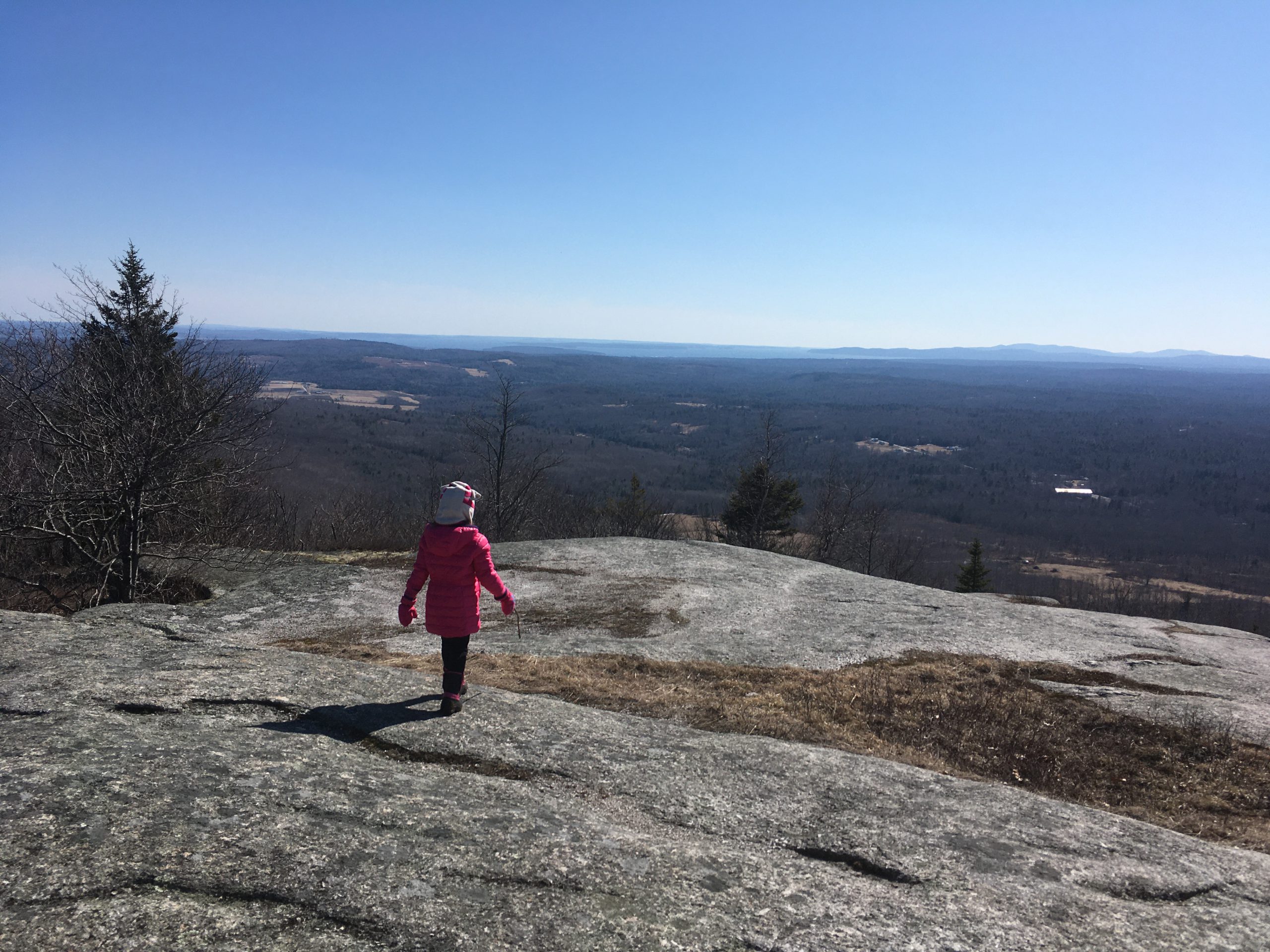
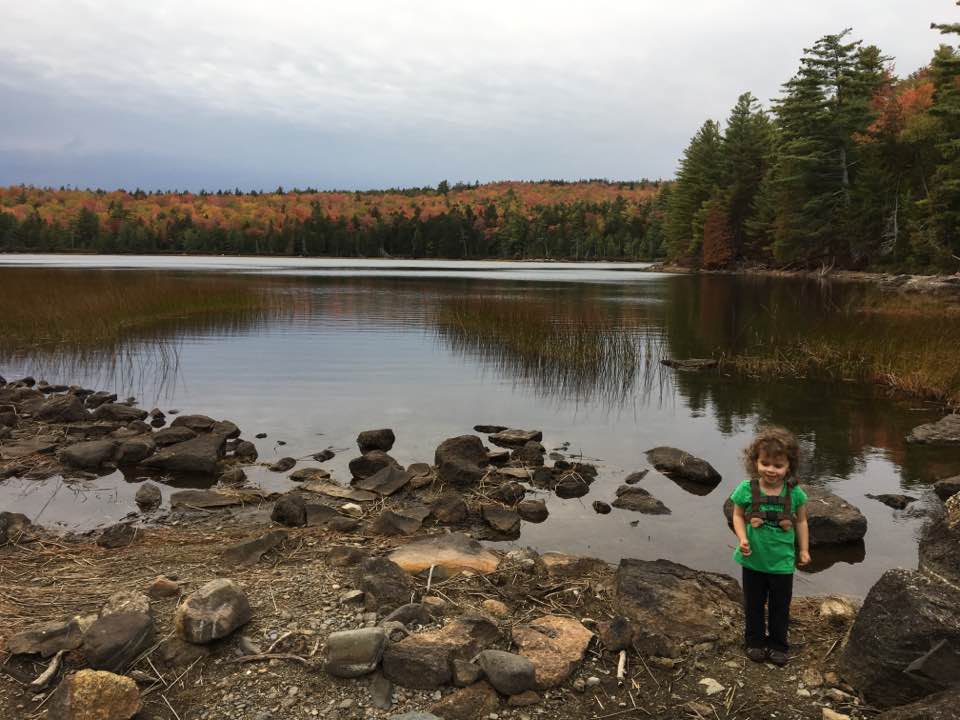
    Our four year old, Nezzie, is eager to hit the trails and sleep in a hammock or tent. I tried before, when she was still three, for a foliage-rich trip to a lake in Amherst Community Forest. She wasn’t ready to sleep overnight in a tent relatively distant from home at that point, but she loved the hike, and she loved playing on the granite slabs common to Maine inland water.

    Plan Ahead

    Over the summer, it’s tempting to just throw some gear in the car and head for the hills, but with children, you just can’t do that, especially younger children.

    Nezzie is a profoundly picky eater, and ensuring we have the right food on hand so that she’ll take in enough calories to push through even a small hike is important. She’s also an extreme creature of habit. We have a morning ritual of pouring her a cup of grape juice mixed with water, which she drinks usually while cuddling Leah or I. I simply have to provision for those things.

    Our nighttime ritual is also an important consideration. We already live in the woods, so the nighttime noises are not distressing to my little one. They may be for citified children.

    It’s important to consider what mileage is practical for little legs. For some, it may be prudent to check with a doctor. We routinely ask, during our yearly visits to Johns Hopkins with Amelia, what level of exertion is medically appropriate for her.

    Also like me, if you’re concerned about teaching your children what is Jewishly appropriate with respect to maintaining observance in the outdoors, planning to add to your adventure some knowledge sharing about simple rituals like hand washing can be really rewarding.

    Small Steps

    For us, indoctrinating Nezzie to hiking has been easy. We have a 12-acre, wooded lot with a plurality of hiking trails. We also have the capability of doing a little bit of a bushwhack. Our lot is wild, with owls, fishers, and a brook teeming with trout and sometimes spawning salmon (though rarely). We frequently see turkeys, deer, foxes, grouse, porcupines, and the occasional bear.

    What kid doesn’t love carrying a backpack? At most ages, I’ve done the heavy lifting, but I’ve always encouraged my children to carry at least their personal items and clothes. As they get older and more sturdy, they can carry their own sleeping bags, as well. They always have a snack and a water bottle.

    We also don’t go at a huge pace. Whatever mileage we do, especially with a pre-schooler, I let Nezzie drive the train. If she wants to stop and literally smell the roses, that happens. If she wants to chase a bug, or take in a view, we stop. It’s also a good time to teach your children an age-appropriate take on the Leave No Trace ethic.

    “I’m Bored”

    I revisit planning for this. As much as I hate to do it, I’ve packed Nezzie’s Amazon Kindle to keep her entertained, or to help her fall asleep. I get the stinkeye from many others about this, but just as we like to say HYOH (Hike Your Own Hike), I like to say, MYOFB. You get the drift.

    But I don’t rely heavily on technology. I bring fun games, or we go for mini hikes. When Amelia and I put-in to paddle to campsites on the First Debsconeag Lake here in Maine, we also include in our itinerary a jaunt to the northern side of the lake, to check out the Ice Cave Trail. When we were in the Adirondacks, we spent a lot of time just wading in the water near Marcy Dam, or Lake Colden, or maybe bagging a peak or two on the side.

    One tradition of mine is to bring a worn copy of Jack London’s short stories from the North, and read those by campfire or lamplight (depending on fire permits and regulation). This was a tradition I started on cold snowshoe journeys in the Army in Alaska, and something that has stuck with me, and annoyed my children, to this day.

    I admit, now that I’m a father of 17 years (the age of my oldest), the outdoors have transitioned from an important source of adventure and reflection to be something of incredible value in our family lifestyle. When my children watch me leave the tent at sunrise to daven, I can help them connect the dots between what we learn in shul about Creation and a Creator, and our visceral relationship to that as realized in nature.

  • A Green Shavuot Call to Action

    A Green Shavuot Call to Action

    Shavuot, as we mentioned in a previous post, celebrates the end of the counting of the Omer period (which coincided with the grain harvest in antiquity), and marks the Jewish people receiving the Torah at Mount Sinai.

    The holiday has a number of names in addition to Shavuot, which means “Festival of Weeks.” It’s also known as the Festival of the Harvest (chag hakatzir), Festival of Reaping and the Day of First Fruits. Hellenized Jews, and later Christians, refer to it as Pentecost.

    The choice first fruits of your soil you shall bring to the house of the LORD your God.

    Exodus 23:19

    These first fruits, the bikkurim, were the underpinning of the holiday in antiquity. Today, many shuls have the tradition of decorating with greenery to celebrate it.

    As wilderness enthusiasts, it may be helpful for us to relate this holiday and Sukkot to the concepts of stewardship and go beyond beautiful, but relatively closed community-focused minhag. This holiday in particular gives us both a physical and esoteric charge: responsibilities to the land, and responsibilities to the soul and the Divine with the giving of Torah.

    The Religious Action Center of Reform Judaism asks, regarding Shavuot and the Environment:

    • How can we ensure we live in an ecologically responsible manner?
    • How can we transform our individual practices into advocacy that includes the broader community?

    After moving to our 12-acre wooded plot near the Maine Coast three years ago, Leah and I planted a pear tree, a plum tree, and two apple trees. When we planted them, my first thought was imagining the very first pear, and being able to take it to a Temple in Jerusalem as our ancestors did.

    The connection to the environment is strong. And we remember, that Hashem instructed Adam to be a steward of the earth, one of the earliest commandments given in the Torah.

    Eco-Kashrut

    Jews from all walks of life are starting to consider not just the base kosher standards in their approach to kashrut, but the ethical implications of their food. Where it or its ingredients are sourced, are the cultivators/workers fairly compensated, are animals in question treated in accordance with our laws concerning tza’ar ba’alei chayim?

    If you think it’s untoward to float a term first created by Rabbi Shachter-Shalomi, of the Jewish Renewal Movement, think again. It’s very clear we have a mandate to think beyond just the material anxieties of kashrut. If you can take time to worry about toeveling your dishware, you can think about this.

    On Shavuot, we traditionally eat dairy foods, because our ancestors learned, at Sinai, how to keep kosher. They couldn’t immediately switch to schechita, so they opted for dairy meals.

    What is the point of kosher? People debate. Some believe it to be healthier. Some believe it reflects the reality of desert cooking in antiquity. Many of the commandments underpinning kashrut are called chukim, mitzvot for which there are no obvious reasons.

    So we all generally agree, amongst Jews who keep kosher, that we do it to sanctify eating, to do it in such a way that takes as mundane a thing as eating, and use it to consider our relationship to the Divine.

    So for someone that cares about the environment, what better way to exemplify this sanctification through kashrut than to consider the holistic implications of our food?

    For my wife and I, that has meant looking to do our own evaluations of produce and farm-to-table dairy products. Believe it or not, in the history of the Jews, organized certification is a relatively recent development. Jews used to be responsible for ensuring their own evaluation of kashrut. With the increased amount of transparency in sourcing, now is as good a time as any to return to that, and wait for our certifying authorities to catch up with us.

    Look for Fair Trade Labels in addition to your preferred hechsher. Thus far, eco-kosher certifications have emerged mostly from Renewal sources, so you’ll have to check with your rabbi about their validity. If you are curious, I know of two: Eco-Kosher, which as a trained mashgiach myself, puts a decent amount of time into both traditional standards and the ecological considerations; and the Shtiebel Eco-Kosher Certification. They’re both fairly mature, but whether or not they truly meet Jewish standards is a subject for debate.

    In Our Homes and Gardens

    We’re finally coming off of a relatively mild black fly season. My wife and I considered having our property sprayed to help with insect abatement, but then we realized how reckless it would be to do so.

    First, we live on a vibrant tributary to the Penobscot River.

    Second, we have children.

    Third, we have so much fauna on our property, to include bears, turkeys, deer, fisher cats, racoons, porcupines, and the occasional moose.

    At our homes and our institutions where we have gardens, we need to consider environmentally friendly ways to cultivate our land. You don’t need harmful chemicals to have a vibrant garden or beautiful lawn. My wife and I have a mostly native plant garden that is incredibly hospitable to honeybees, and yet is very beautiful to look upon.

    We just need to start composting and doing more to avoid recyclable waste.

    Also, consider, if your synagogue has the land, hosting a community garden.

    Make the Commitment

    We don’t need the holiday of Shavuot to do any of this. We can make the focus traditional and just embrace these things in our daily lives. But it’s a good frame to have the discussions with our communities.

  • Retired and Elderly in the Outdoors

    Retired and Elderly in the Outdoors

    Parsha Kedoshim, Leviticus 19:1 – 20:27

    To focus on one line from this week’s parsha, which contains “The Holiness Code,” may seem kind of odd. As we’ve mentioned before, coming up with wilderness-themed content from week to week is hard!

    מִפְּנֵי שֵׂיבָה תָּקוּם וְהָדַרְתָּ פְּנֵי זָקֵן וְיָרֵאתָ מֵּאֱלֹהֶיךָ אֲנִי יְהוָה

    You shall rise before the aged and show deference to the old; you shall fear your God. I am the LORD.

    In spite of stories of old thru-hikers from year-to-year, during my thru-hikes of either the AT or the JMT, I’ve never encountered an elderly hiker.

    We heard of “Pappy” (Victor Kubilius), the 87-year old Korean War era veteran (a lot of folks misidentify him as a war veteran, but he served stateside in military intelligence until 1951—ain’t no shame in his game!) who made a go of the AT in 2018. He was going to “flip-flop,” but getting out of Maine took him off the trail. I can tell you from my own experiences, both as a 16-17 year old and now as a 40+ year old former paratrooper who lives and hikes here, Maine is perhaps the most physically demanding section of the entire trail.

    Here in Maine, we’re also familiar with the tragic end of Geraldine Largay, a 66-year-old woman who died less than 2 miles from the Appalachian Trail, near the Bigelow Preserve. She may have lived for a month after getting lost in 2013; they found her remains in 2015.

    Pappy had the support of his loving daughter, Vikki. Mrs. Largay was expected to meet her husband close to Katahdin, but hiked largely alone, and made the mistake of leaving her GPS locator at a hotel miles back.

    For someone like me, who has a lifetime of wilderness and decades of military training, the perils of wilderness travel aren’t particularly overwhelming. I have the experience of trail-less meanderings in the Brooks Range of Alaska, and following goat trails across Skolai Pass in Wrangell-St. Elias NP. That said, I never travel without a compass and the minimum necessary survival equipment.

    Reading the website “The Trek” and other forums where aspiring thru-hikers relate what they are doing, most of their focus tends to be on getting in the right kind of shape, and gear acquisition.

    I urge those who are fulfilling some mid-life or twilight year dream of thru-hiking to consider investing time and money in basic survival training. Most of the Appalachian Trail is fairly easy, but Maine is the kind of wilderness you can get lost and die in.

    Our Responsibility to Older Hikers

    I don’t care if it comes across as condescending or ageist, I think there’s a responsibility for younger or more experienced hikers to ask, subtly or not, older hikers specific questions about their condition.

    Encourage them not to hike alone in the more remote sections, or places closer to roads where trailhead crime may be higher.

    Know basic first aid, specifically how to treat people with conditions more specific to older hikers, such as stroke and heart attack. Older hikers are more susceptible to heat injury.

    Wilderness first responders are not likely as trained in advanced life saving care for older outdoors enthusiasts as their counterparts back in civilization. It’s a definite consideration for those considering an excursion outdoors.

    My honest-to-goodness experience in the wilderness is that many people are not honest with themselves about their capabilities and limitations. Anecdotally, this seems to accelerate with age and means, which may be why search and rescue is coming at great cost to people who end up needing rescue.

    Incredulity at a $9000 liability for a then 59-year-old hiker rescued in New Hampshire, and the billing of a 70-year-old hiker in the Presidentials (who later turned out to be at a hotel) says that the increase in wilderness in search and rescue is expensive.

    And you might as well understand that the state will go after those with the means to pay for it.

    So we must do our good deed and keep tabs on our older hiking friends.

    The Outdoors Belong to Everyone

    I know people may think we’re accomplishing the opposite of showing deference to the old, but I think there’s profound merit to being good outdoor citizens and looking after the welfare of others.

    We need not assume someone is incapable just because we monitor their well-being. We don’t even need to do it overtly; just convivial conversation can expose so much about how someone is doing. Building a relationship with people you meet, and on long trails, will spend a lot of time off and on with, is never a bad thing.

    As America ages more and more gracefully, the presence of larger groups of people previously deemed out of place in the wilderness will grow. It’s a good thing! Increasing appreciation for the outdoors in every generation will help preserve open spaces and drive our politics towards rectifying climate change.

    As Jews, we have this mandate to look after others. It’s an important takeaway from Parsha Kedoshim. How we relate to others is a key component in how we build holiness in whatever setting we find ourselves.

  • Alienation

    Alienation

    Just like last week’s parsha, Metzora isn’t one of my favorites (I prefer talking donkeys, truth be told). There’s so much meat for the spiritual in this reading, especially with regards to the purifying someone (and their household) afflicted with tzaraat, or people who have “emissions.”

    The rabbis have always been challenged by this parsha, too. The giant mystery is what causes the affliction of tzaarat to begin with, beyond that G-d afflicts people with it—the prompting for which is never fully explained. There are theories; Miriam may be afflicted with it for lashon hara. But the concrete preventative measure is never covered. Neither is the cure; just atonement/purification after.

    As wilderness enthusiasts, we often seek self-imposed alienation or isolation. In modern political and social parlance, it’s our privilege to do so. I’ve never struggled with homelessness, but I have struggled with the social isolation that comes from being a veteran. For me, it has never been so bad as it has been for others.

    Lurking within this parsha, however, is the notion that this prescribed isolation is temporary, and that there’s a communal resolution for it. We are not to think of those as cut off from society, either, and neither should they feel cut off from society.

    This point is brought home by the accompanying haftarah, from I Kings, where four lepers, isolated outside of the city gates, still feel a sense of obligation to their fellow Israelites. They find an abandoned Aramean military encampment, and rather than just keep the spoils for themselves, they return to the city and let King Jehoram know.

    Our rabbi admonished us in a recent drash for not really fully exploring the texts we read throughout the week. I genuinely took this to heart with Metzora, thoroughly reflecting on this.

    How do we regard our modern lepers?

    We have our corollary to lepers, living on the margins, and the news gives us plenty of fodder.

    Asylum seekers sitting under freeways, and though I dread being political, I don’t think there’s anyone who should be unmoved by the fact that one of our own, ostensibly observant fellows, is sitting in the White House advising a policy of family separation.

    We see outcasts on the way into shul in Bangor, as I’m sure you do in your own town, set up on a corner in traffic, a piece of cardboard with some desperate scrawl in their hands.

    Do we give them a path back? Do we inspect their homes, offer them purification, and set them back in their normal place within our society?

    For a nation that likes to emphasize its connective tissue to Judeo-Christian traditions, I’d say the answer is very disappointing. While a business in my home county extols its religiosity by denying same-sex marriages at their sprawling event center, with supportive scripture depressingly oblique or nonexistent, our traditions are abundantly clear on those on the outside looking in of society.

    Isaiah says G-d wants us to feed the hungry, to bring the homeless into our homes. If we want to signal our religious virtue, I would rather be seen publicly proclaiming what we will do for others rather than what we will prevent them from doing.

    So what about wilderness-based charity?

    This is an outdoor site, so our emphasis is on providing resources for outdoor people, and that should include charity, so we’re going to list some possibilities for you to help end or ease isolation via related charities.

    Backpacks For Life is a 501c3 dedicated to helping homeless and at-risk veterans.

    I’ve been involved intermittently throughout my life with Sierra Club’s Inner City Outings program. This program focuses on the “transformative power of nature” for demographics who often don’t have access to wilderness or wilderness experiences.

    Peak Potential is a non-profit dedicated to enriching experiences, including an outdoor program, for children with disabilities.

    These are just some programs you can support financially or personally.

    The most important thing we can consider doing is adjusting how we interact ourselves, on our own, without simply writing a check or working through the constraints of volunteerism. If you see a need, don’t look for permission to act, and don’t wait for someone else.

    You could well spell the end to someone’s alienation.