This class introduces the principles of surviving, moving, and thriving in cold weather environments. Participants will learn the physiological effects of cold, how to prevent cold weather injuries, and how to live and work efficiently in subfreezing conditions. The course blends theory and practical exercises to develop confidence, safety awareness, and adaptability in winter conditions.
Learning Objectives
By the end of the course, participants will be able to:
Understand the effects of cold on the body and recognize signs of hypothermia, frostbite, and trench foot.
Employ the COLD principle (Clean, Overheating, Layers, Dry) for clothing management.
Construct cold-weather shelters and select safe bivouac sites.
Build and maintain fires and stoves safely under adverse conditions.
Identify and utilize cold weather rations and hydration strategies.
Apply techniques for movement, navigation, and work discipline in snow and ice environments.
Demonstrate team coordination and risk management when exposed to low temperatures.
Core Topics
Environmental Effects and Physiology
Heat loss mechanisms: conduction, convection, radiation, and evaporation.
Cold-related injuries and prevention.
Energy balance and hydration in the cold.
Clothing and Equipment Management
Layering systems and moisture control.
Footgear, gloves, and head protection.
Equipment care and cold-weather modifications.
Shelter and Campcraft
Site selection, wind protection, and snow utilization.
Building improvised shelters and insulation techniques.
Tent and stove operation; ventilation and carbon monoxide prevention.
Firecraft and Sanitation
Fire-starting methods in snow and wind.
Maintaining hygiene and sanitation in subzero conditions.
Safe waste disposal and food handling.
Cold Weather Movement
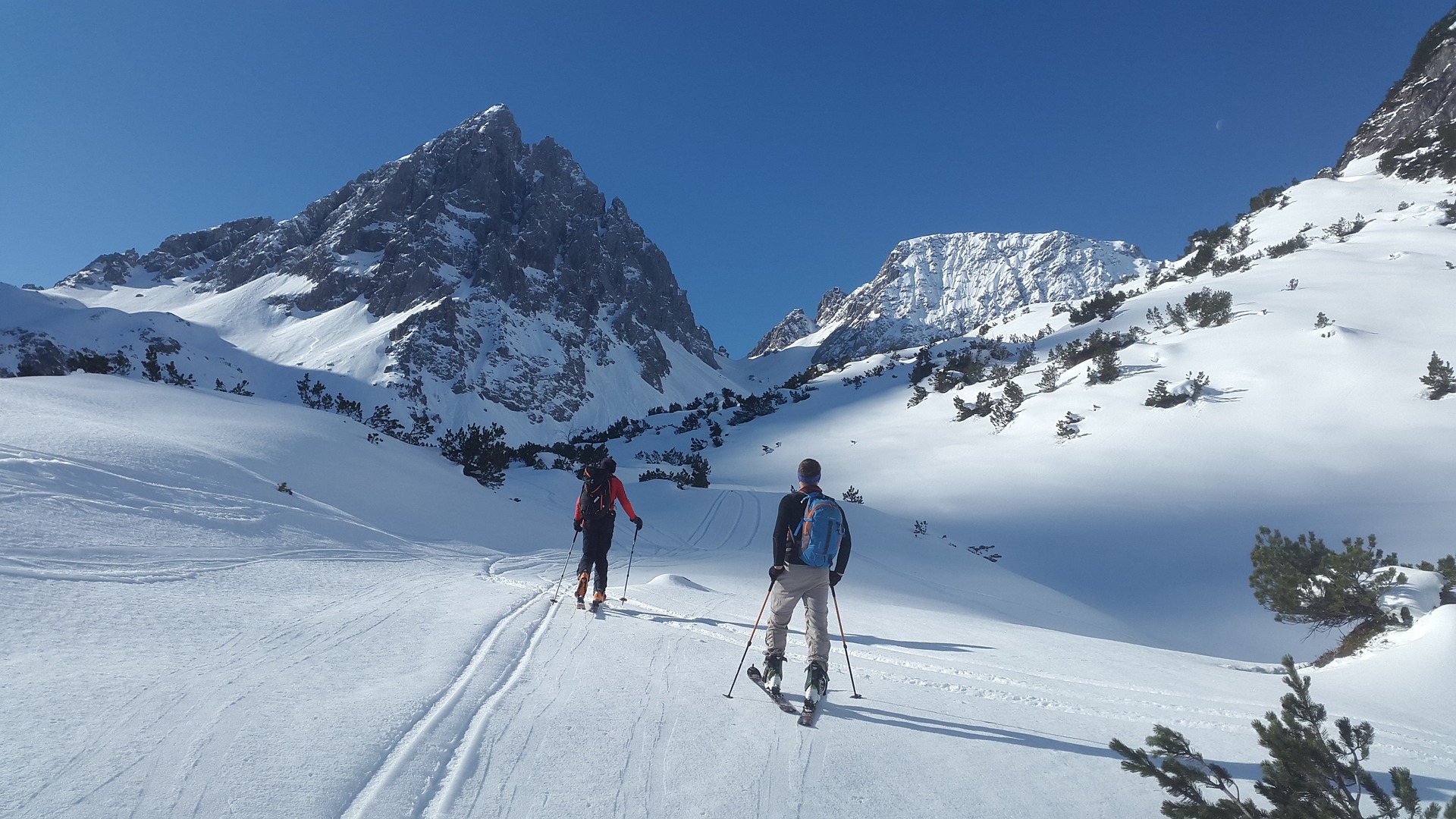
Route selection, snowshoe/ski techniques, and pacing.
Work-rest cycles and maintaining body heat during exertion.
Load management and safety in group travel.
Survival and Emergency Actions
Lost-person procedures and signaling.
Improvised insulation and heat sources.
Evacuation and first aid for cold injuries.
Meet Your Instructor
Brian Kresge is a rabbinical student with the Pluralistic Rabbinical Seminary, and president of Maine’s oldest synagogue, Congregation Beth Israel in Bangor. He is also a former arctic paratrooper, having graduated from several courses at the Northern Warfare Training Center in Alaska, and retired in 2024 from the Maine Army National Guard after serving over 30 years. Brian lives with his wife, Leah, and their youngest daughter, Nezzie, in Winterport, Maine.
Subsequently, a key feature of living in Maine is a sturdy pair of snowshoes.
Ideally, snowshoes should allow you to travel the frost-laden world of Maine without undue turmoil. No post-holing, sinking up to your knees, and taking the Lord’s name in vain as you struggle to move several yards.
There are things you need to know before you buy snowshoes.
The weight of yourself and the things you plan on carrying
The kind of snow-covered terrain you will traverse
The nature of the snow you’re walking upon
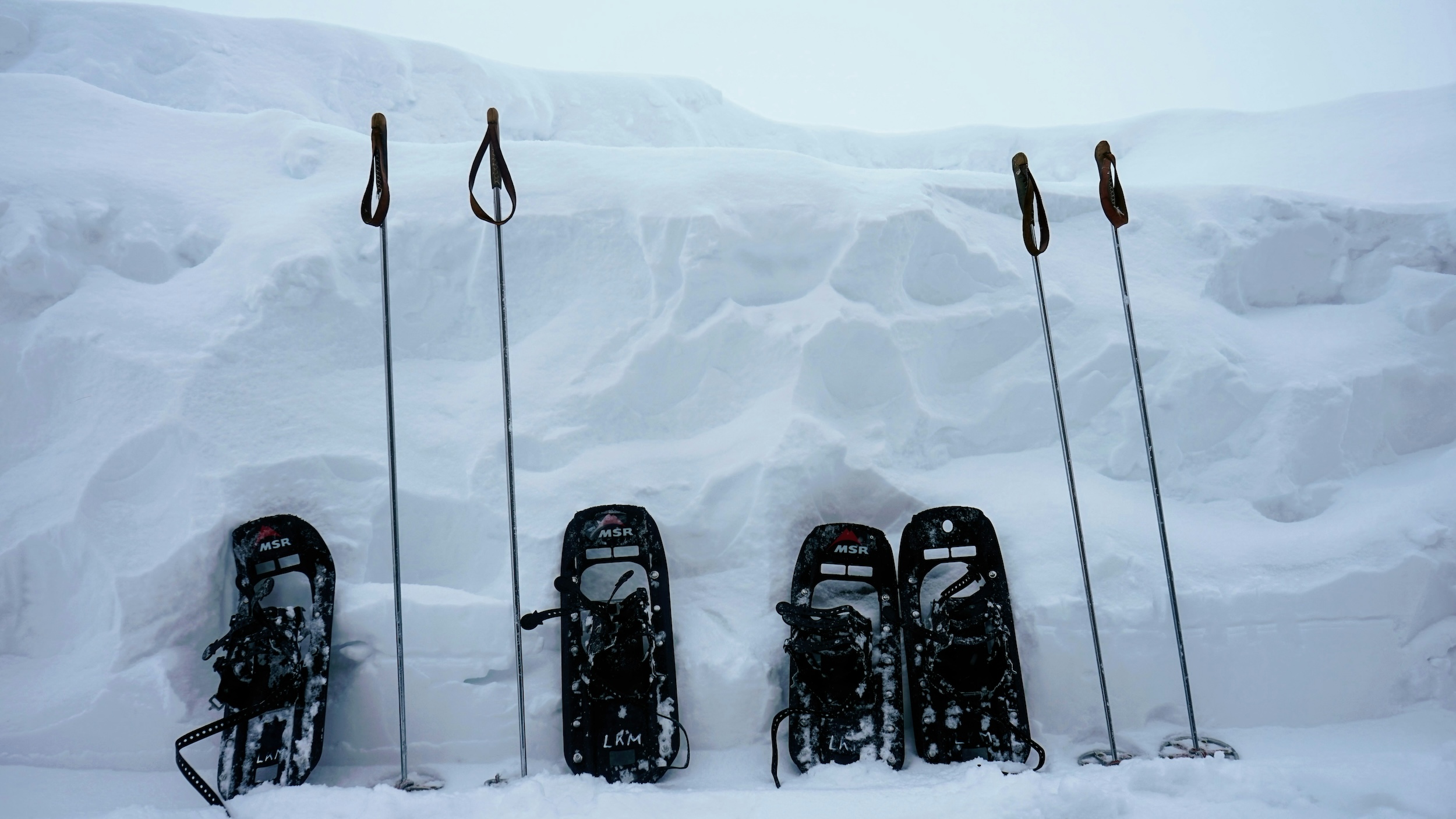
For the years I was stationed as a paratrooper in Alaska, I jumped out of planes with the Army’s old magnesium tennis rackets strapped to my weapon case. Inelegant though binding and snowshoe may have been, they offered decent flotation for an infantryman burdened by a 50 lbs rucksack full of ammo and gear. They had little to no traction however, which is why when the Army moved to the injection-molded MSR snowshoe in recent years, I’ve been happy, as I’ve been using the same pair of MSR snowshoes since 1996.
For casual walks on hard-packed snow, like groomed trails, you can usually opt for lower-cost snowshoes with simple bindings and little in the way of traction.
Understanding bindings is important. There are basically two kinds of bindings, rotating or floating bindings, and fixed bindings. As you can see with our 2024 recommendation, the Crescent Moon Luna, that is a fixed binding. A rotating binding will pivot, and may or may not have a crampon attached to the toe. Most wooden snowshoes, too, have a pivot like this on the binding, for greater traction walking uphill, thus reducing fatigue.
Some models, particularly mountaineering focused snowshoes, will have an additional “heel lift” to reduce strain on your calves.
Additional Traction
As we mentioned, some snowshoes will have toe crampons, heel crampons, and traction bars running along the side. My MSR snowshoes have “breaking bars”, a feature that seems to exist only on injection-molded or plastic snowshoes, that help prevent sliding backwards on ascents.
There is a lot to be said for versatility. In addition to the two other models we recommend here this year, there’s one more model we recommend for maximum versatility. We encourage you to shop around, especially at L.L. Bean or REI.
For 2024: MSR Evo Trail
Great for Maine backcountry, albeit not robust mountaineering
And with snow accumulating to around an inch, it was suddenly winter in Maine.
I watched with envy this year as people concluded their Appalachian Trail thru-hikes, some as early as August, some as late as October. It strikes me just how quickly summer went this weekend. I had two major hikes over the summer myself – a long weekend trip out Gulf Hagas, and a long weekend trip to the Bigelows.
Both trips were along the Appalachian Trail.
I also field tested gear on our voluminous acreage. The lovely thing about our woodland home, which we have named Eitz Kar, is that we have plenty of wilderness right outside our back door. It’s also easier to camp with my pre-schooler if we don’t have to drive several hours only to turn around.
There are many good books about winter backpacking, but I’d like to highlight some important notes.
Winter Gear is Heavy
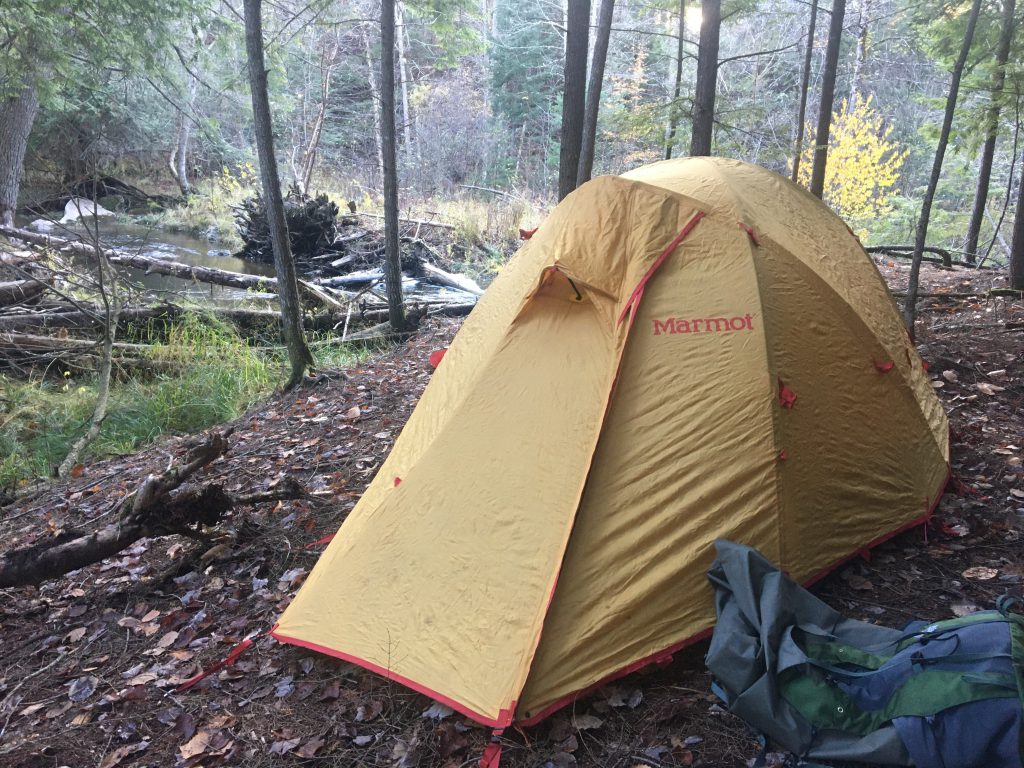
At 10 lbs, my venerable Marmot Sanctum, which has been at altitude in the Chugach, Alaska, and Brooks Ranges, is a bear to carry these days.
If you’re just getting into cold weather camping, the first thing to know is that it’s heavy. There’s not really a margin for ultralight here. And take this from me, a former Arctic Paratrooper, you don’t want to be calculating your base weight in the winter months, especially if you live in the Northeast or travel to the mountainous regions out west. That cuben fiber tarp you evangelize us about for your summer AT thru-hike doesn’t have a place in the winter.
It doesn’t mean you have to go overboard with super heavy stuff. There are tarp tents perfectly suitable for cold-weather season use.
I haven’t been able to empirically qualify this with stats yet, but I do wonder how many earnest AT thru-hikers come off the trail with a February or March start because the weather is too much for them. Given the number of folks who toss in the towel, I’d wager it’s a good bit. Even with bounce boxes and changing out sleeping bags, it’s hard to get out of the bag on a cold weather day and get moving.
Trust me, after years of field training exercises in proximity to or north of the Arctic Circle, I know.
Winter is a Mind-Killer
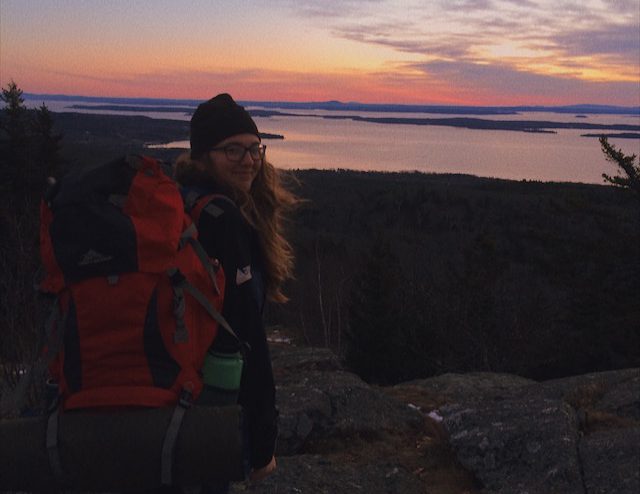
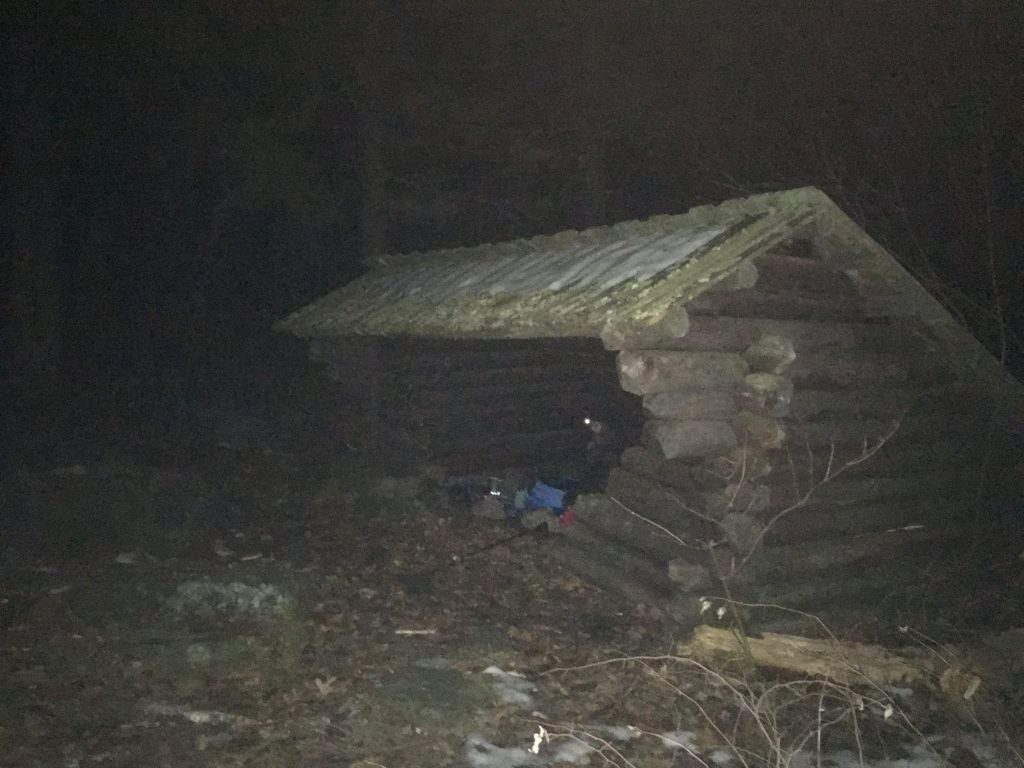
Last winter, Amelia and I scaled Bald Rock Mountain in Camden Hills State Park so we could take in a gorgeous, albeit freezing, Penobscot Bay sunrise.
One of the shelters atop Bald Rock Mountain
It was not disappointing. We spent a chilly night in the Adirondack shelters atop the peak, and woke up to warm coffee and tea as we watched the sun crest the eastern horizon.
It was spectacular, but our feet and fingers were numb by the time we made it back to the car. We weren’t underprepared, but it is difficult to find the motivation to function in the morning hours.
In bear country, it may not be an option, but having your stove prepped so you can slightly pop out of your sleeping bag in the morning and get the water boiling is a good way to get started. This is better suited for the parts of the season where bears are hibernating. End of winter, early spring hikes when it is still cold, especially on the AT, may not be an appropriate time of year to do this, as the bears may be stirring.
How to Start a Hike
I wrestle with my daughter on this, too. After 25 years of road marching in the Army, I can tell you, always start the hike slightly chilled. You will heat up as you go along. My rule is that if my teeth are chattering at the start of the hike, I’m doing the right thing.
I’m not going to bore you with a redundant lecture about no cotton, synthetic wicking layers, or layering in general. If you’re a hiker that reads this sort of article, you’ve more than likely already digested four of those.
If there’s snow on the ground, or even if it’s cold enough that the ground will be hard, start at a slower pace than you would over the summer or spring. You’re going to burn calories at a faster rate, because you’re probably carrying more and heavier gear. Where you might want to do a higher mileage day in another season, this is the time to take it slower (exception being ski touring).
Bring More Fuel, More Food, More Water
…and don’t ever just eat snow. You expend more water melting it in your mouth than you do bringing it in.
As we mentioned, cold weather hiking is harder work. Consider a stove with fuel that is performant in cold weather. Consider that you may need to stop and replenish water by melting it, if sources are frozen over.
You need to take in more calories. Read the damn Nutrition Facts. Many popular hiking foods provide more sodium than they do carbohydrates. Don’t incur a cold weather injury because you don’t bring enough of the right kinds of food.
Little Tips I Wish I Learned Before I Sustained Frostbite
You can make a vapor barrier for your boots out of bread bags. This ghetto fabulous trip was one that I failed to internalize when my parents would do this for me growing up in Pennsylvania.
10 hour handwarmers are great, and relatively lightweight means to keep your fingers and toes from losing warmth. As much as I love winter, this has always been my struggle.
Army surplus climbing skins will work with almost every model of ski.
You don’t have to spend $40 on replacement MSR Snowshoe straps if you have parachute cord and an imagination.
A children’s sled can easily be converted into a halfway decent pulk for winter camping. I’ll be doing a video about this in Katahdin Woods and Waters this winter.
Winter Wonderland
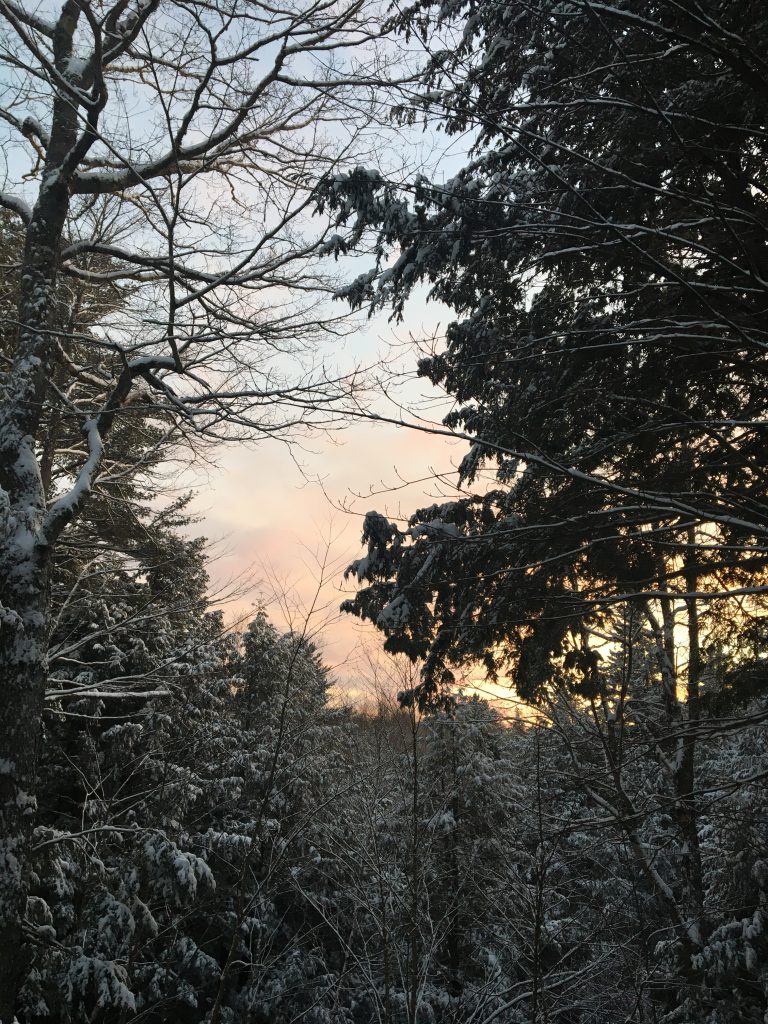
Winter right out my back door.
I love winter camping more than summer camping. I love reading Jack London short stories, particularly “The White Silence”, by a fire in the Maine woods.
There’s a crushing sense of isolation and self-sufficiency with a tremendous amount of romance buried therein. When you tap into that, you discover so much about yourself and your own capabilities.
This echos a post on my “being Jewish in Maine” blog, Downeast Kvetch, but I’m going to talk less about Judaism and more specifically about telemark skiing.
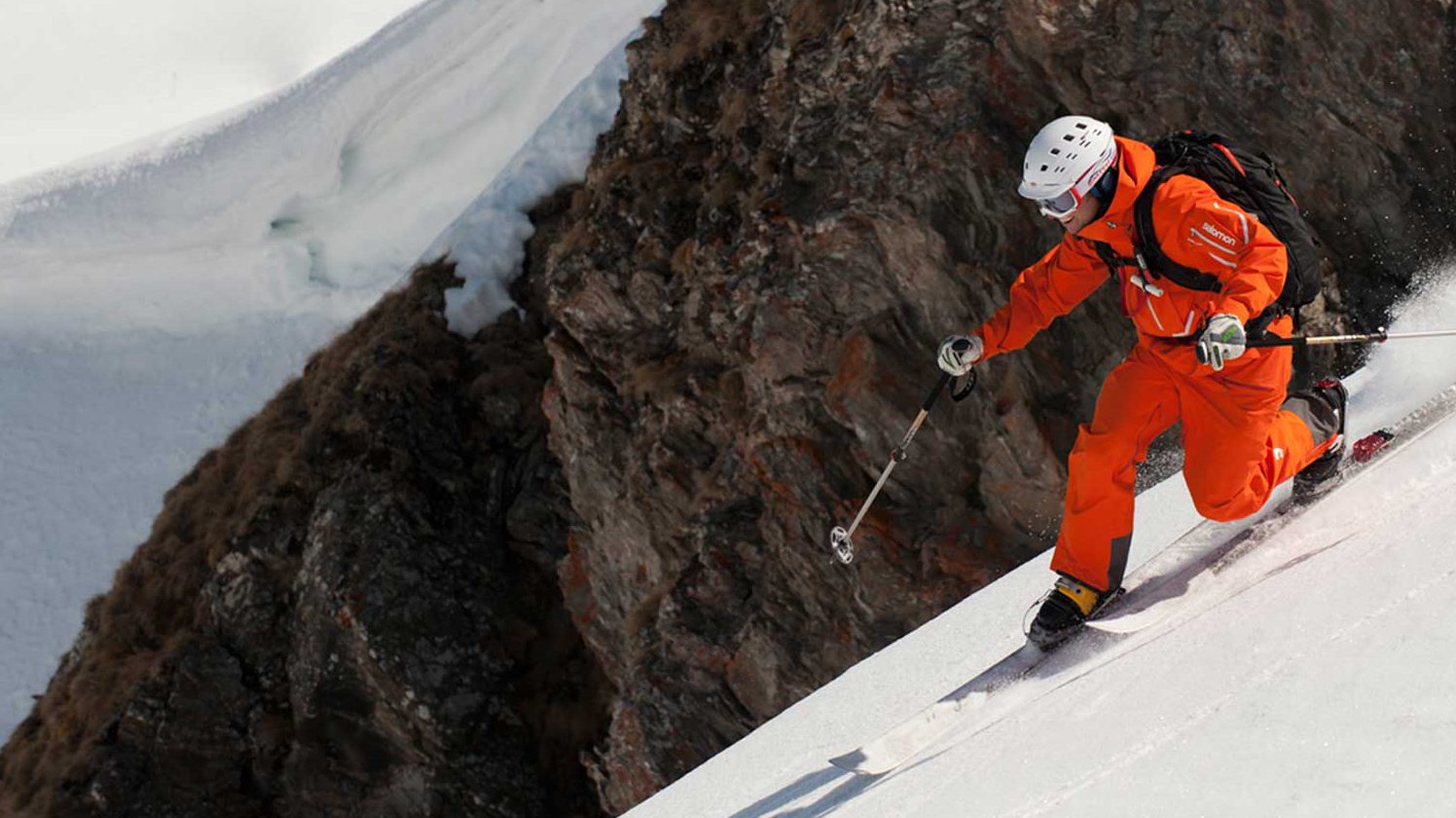
A year or two ago, telemark skiing was declared “dead” by Powder magazine. They may or may not be wrong. Innovations in telemark ski equipment are on the decline, in part due to a transformation of alpine gear that has subsumed telemark’s role in backcountry skiing.
Perhaps it was inevitable for the elan of a tele turn to take a back seat to the perhaps more accessible turns alpine carving afford. When I was first plying my backcountry skills in Hatcher Pass or Turnagain Pass when I was stationed in Alaska with the Army, I’d snowshoe my way up, and tele down. With skins and ski crampons, I had accessibility to the backcountry that others did not. Alpine bindings surely have meaningfully evolved, and have rightly democratized effort-based access to the backcountry.
Telemarking always had one of its strongest footholds here in New England, but this season, I’ve only seen one other telemark skier at our local mountain, and he was making alpine style turns vs. our glorious lunge. Maybe he was tired. One of the ski instructors in the lift line didn’t understand why my heels were free, and I had a depressing realization that telemark is indeed falling off the radar of resort awareness.
There are some spots we don’t reveal in Maine, but backcountry skiing is alive in this state. This year, I’ve seen no other telemark in Maine’s limited backcountry. It’s all been alpine skis (mostly carried) and snowboards (all carried).
You may think I’m an evangelist, but that’s really not the case. I do think the tele turn is graceful and beautiful. For me, there’s something satisfying about dropping the knee and then lunging out of a turn. Is it superior to alpine skiing? It’s a subjective metric. I think it’s easier to learn how to get down safely with alpine equipment. Learning the tele turn can be initially frustrating. If it’s the first form of skiing you are learning, it can feel counterintuitive coming out of the snow plow/wedge staple.
I learned how to telemark as an extension of ski training during a rotation at the Northern Warfare Training Center. I was an “Arctic Paratrooper,” at the time a battalion of airborne infantry on Fort Richardson near Anchorage. We spent a considerable amount of time at the Black Rapids Training Site in the state’s interior, learning how to use those military issue “white rockets.” Part of the problem in the modern era of the service is that we don’t recruit specifically people who can already ski or snowshoe, and so you’d end up with a unit full of people ostensibly capable of arctic warfare, but who found it very difficult to get down hill with anything beyond a graceless snowplow with a controlled fall at the end.
I lucked out with an instructor who took a handful of already competent skiers, and introduced us to the tele turn. There I was, dropping the knee and lunging with white bunny boots and a utility binding. Later, I used military issue climbing skins (which I still use today for their nice strap capability), and started finding my way to the backcountry of Alaska on my own, albeit with better skis.
If you already have an investment in alpine gear, I’m not here to try and change your mind.
Telemark skiing is perhaps anachronistic. It’s true, we don’t enjoy the leap forward alpine gear seems to make each year. I have my Rossignol T3s, solid Rottefella Cobra bindings from a year or two back, and some seasoned Crispi boots. It’s a comfortable ride up and down a mountain for me with these. I commune with nature.
Judaism isn’t dissimilar in that regard, particularly for the more traditionally observant. The liturgy is always the same. Like my transition from a less responsive Voile three-pin binding to the Rottefella, I may have switched from the ArtScroll to the Koren siddur, but the technique doesn’t difference. It’s an incremental variance.
The important thing, too, isn’t so much the approach, but what we’re doing. I feel more intimately engaged with a traverse on telemark skis than I do in alpine setup. I feel intimately engaged with the Divine. My 500th time carving a turn still feels every bit as fresh to me as the first time, just as the thousandth time I’ve laid tefillin is every bit as engaging as the first time.
In many ways, I’d argue, telemarking is the most Jewish approach to snow sports.
But the important thing is to get out.
If you live in Maine or visit over the winter, give us a shout. We’re trying to form a Maine Hebrew Ski Society at our synagogue. Jews and non-Jews alike are more than welcome to join.