Category: Hiking

A long, vigorous walk, usually on trails (footpaths), in the countryside.

  • Accessible Wilderness

    Accessible Wilderness

    I follow an Appalachian Trail group on Facebook, and a few days ago, there was a post from a wheelchair-bound young man who was angrily saying that he was going to thru-hike the trail.

    Social media being the echo chamber of our worst inclinations, his post prompted many angry responses, but all I could think was, “I get your anger. I get your hostility. I get how emotionally defeating this could be for you.”

    My natural response is to ask, “how can I help?”, no matter how bitter someone might be. I’ve worked with disabled veterans long enough to know what a salve wilderness experiences can be, but also how frustrating the logistics are, especially for those who have severe impairments for movement.

    We look at stories like this, where a woman paralyzed by lupus made a false claim about completing the Pacific Crest Trail. Her claim to have finished the Appalachian Trail is incredibly suspect, as well. We’re all rooting for her, but we know these trails are challenging for able-bodied people. An unsupported thru-hike on any major trail is impossible to conceive of for people with limited mobility.

    I don’t judge this particular woman harshly. She may sit on quiet resentment of able-bodied people who can complete the trail in the same way I sit on quiet resentment of people who have the fiduciary means and space in their lives to undertake a thru-hike. The difference is, while I’ve completed the AT, I’ve only ever section hiked portions of the Pacific Crest Trail and the Continental Divide Trail, and I don’t need to tell anyone that I did.

    “Authentic” Wilderness Experiences are Inhibitors

    I am very leary of letting other people define the benchmarks for an authentic wilderness experience. If I had to pick between a thru-hike of the Appalachian Trail and some of the backcountry experiences I had while stationed in Alaska, the unsupported traverse of Alaskan mountain ranges, like the Chugach or Brooks Range, would win, hands down.

    The first thing we need to do for our disabled friends who want authentic wilderness experiences is to get rid of the frame of abled achievement.

    (I am sure I am using incorrect terminology here, and for that I apologize.)

    Fastest Known Times, thru-hikes, etc., these are features of a privileged access to the wilderness. Even for those of us who don’t struggle with anything but arthritis, flat feet, and aches and pains from two decades or more in the military, these achievements do not need to be ours. I might even want to do some more thru-hiking, but I have financial, paternal, and employment responsibilities that I cannot shed and be a decent human being.

    So my vision of authentic wilderness experience has a different benchmark. Can I fit in it in between this Jewish holiday and this pre-school dance recital? This is part of why we moved to Maine – we’ve shortened the distance between the kind of wilderness I love, but still can be responsible adults.

    But I’m still speaking from an aspect of privilege. I can conceivably drive to, park, and hit Gulf Hagas in an hour or so, but I’m able to walk the trail, ford a river, and hike some more.

    Someone with leg braces or wheelchair, doesn’t necessarily have that option.

    What are you willing to do to get someone into the wilderness?

    Think about it: a significant portion of “accessible” wilderness, at least in ADA parlance, is constrained to paved front-country trails. I think these are fantastic, and certainly the extent of human impact we can tolerate with regards to wilderness.

    Our friends who have constraints on mobility, however, may feel completely different about this. I’ve walked Shenandoah National Park’s Limberlost Trail with a wheelchair-bound friend. When we parted ways, I headed towards my favorite hike out to near the Jones Mountain PATC cabin, and he, well, was consigned to a crowded campground.

    This is very often the story. Are we content with our disabled friends being stuck in the front-country? Taking a tour bus through the wilderness?

    There are ways we can help. Social media gives us the ability to be private trail angels. Can I help with logistics for a thru-hiker with special needs? If I’m going to thru-hike, can I take on, or help out with, another hiker who may have a rougher time climbing or negotiating fords?

    Can you take someone who cannot walk unassisted on a wilderness canoe trip? Can you get the training to provide specific, and sometimes different, wilderness first aid?

    These are the questions we should be asking ourselves when we see someone angrily posting about their undertakings. Don’t chide them, or take it upon yourself to tell them their dream is unapproachable (unless it truly is inviting harm to themselves and others).

    Ask, “how can I help?”
  • Backpacking with Children

    Backpacking with Children

    I was reading a piece by Rabbi Jonathan Sacks about priorities as related to Parsha Matot-Masei, where he cites Rashi’s commentary on Numbers 32:16. Moshe reorders the priorities in the request of the tribes of Reuben and Gad to stay in land on the east side of the Jordan that was good for raising cattle.

    נבנה למקננו פה. חָסִים הָיוּ עַל מָמוֹנָם יוֹתֵר מִבְּנֵיהֶם וּבְנוֹתֵיהֶם, שֶׁהִקְדִּימוּ מִקְנֵיהֶם לְטַפָּם. אָמַר לָהֶם מֹשֶׁה “לֹא כֵן, עֲשׂוּ הָעִקָּר עִקָּר וְהַטָּפֵל טָפֵל, בְּנוּ לָכֶם תְּחִלָּה עָרִים לְטַפְּכֶם וְאַחַר כֵּן גְּדֵרוֹת לְצֹאנְכֶם” (תנחומא):
    נבנה למקננו פה WE WILL BUILD [SHEEP FOLDS] FOR OUR CATTLE HERE — They paid more regard to their property than to their sons and daughters, because they mentioned their cattle before their children. Moses said to them, “Not so! Make the chief thing the chief thing and what is subordinate subordinate. First build cities for your little ones and afterwards enclosures for your flocks” (cf. v. 24) (Midrash Tanchuma, Matot 7).

    Rashi’s commentary on Bamidbar 32:16.

    “First, build cities for your little ones.”

    For most of my adult life, backpacking has been a solitary affair. However, when my now teenager entered my life, it was amazing how impatient I was for the moment that we could hit the trails together. Indeed, Amelia’s earliest backpacking trips were along the Appalachian Trail in Pennsylvania, followed by forays into the High Peaks region of the Adirondacks.

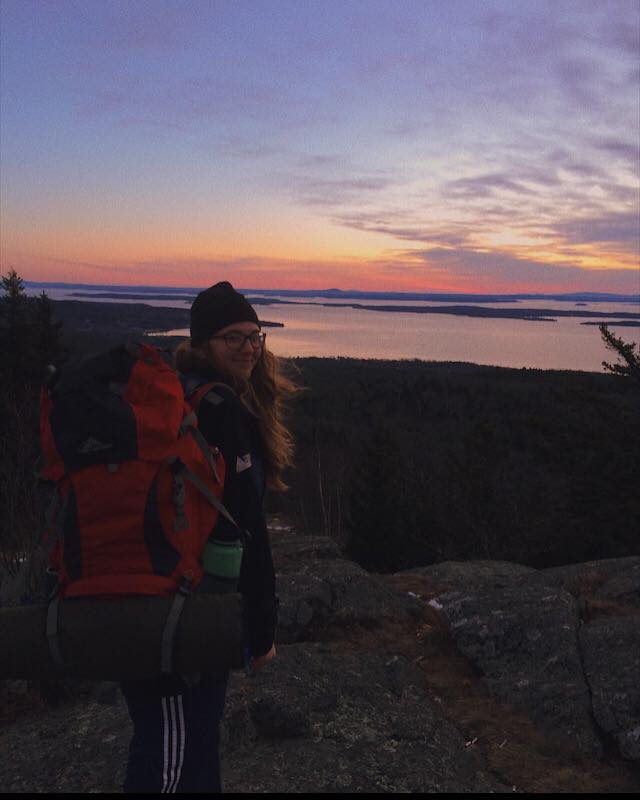
    Amelia on a brisk December backpacking trip to Bald Rock Mountain in Camden Hills State Park near Lincolnville, Maine.

    When you have children, it seems to me that building wilderness experiences for them early and often is the correct Jewish outdoors take on things.

    Amelia still occasionally joins me for trips to the Maine woods, usually via canoe. We worry about the strain of backpacking after her Marfan Syndrome diagnosis, so the “Daddy Death Marches” as she calls them have diminished.

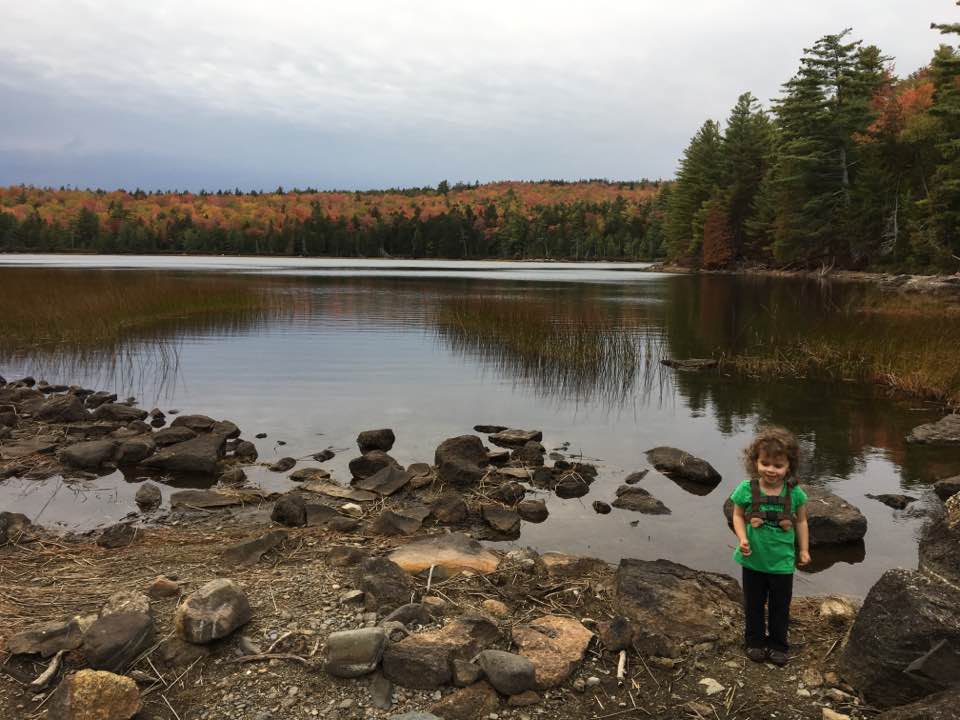
    Our four year old, Nezzie, is eager to hit the trails and sleep in a hammock or tent. I tried before, when she was still three, for a foliage-rich trip to a lake in Amherst Community Forest. She wasn’t ready to sleep overnight in a tent relatively distant from home at that point, but she loved the hike, and she loved playing on the granite slabs common to Maine inland water.

    Plan Ahead

    Over the summer, it’s tempting to just throw some gear in the car and head for the hills, but with children, you just can’t do that, especially younger children.

    Nezzie is a profoundly picky eater, and ensuring we have the right food on hand so that she’ll take in enough calories to push through even a small hike is important. She’s also an extreme creature of habit. We have a morning ritual of pouring her a cup of grape juice mixed with water, which she drinks usually while cuddling Leah or I. I simply have to provision for those things.

    Our nighttime ritual is also an important consideration. We already live in the woods, so the nighttime noises are not distressing to my little one. They may be for citified children.

    It’s important to consider what mileage is practical for little legs. For some, it may be prudent to check with a doctor. We routinely ask, during our yearly visits to Johns Hopkins with Amelia, what level of exertion is medically appropriate for her.

    Also like me, if you’re concerned about teaching your children what is Jewishly appropriate with respect to maintaining observance in the outdoors, planning to add to your adventure some knowledge sharing about simple rituals like hand washing can be really rewarding.

    Small Steps

    For us, indoctrinating Nezzie to hiking has been easy. We have a 12-acre, wooded lot with a plurality of hiking trails. We also have the capability of doing a little bit of a bushwhack. Our lot is wild, with owls, fishers, and a brook teeming with trout and sometimes spawning salmon (though rarely). We frequently see turkeys, deer, foxes, grouse, porcupines, and the occasional bear.

    What kid doesn’t love carrying a backpack? At most ages, I’ve done the heavy lifting, but I’ve always encouraged my children to carry at least their personal items and clothes. As they get older and more sturdy, they can carry their own sleeping bags, as well. They always have a snack and a water bottle.

    We also don’t go at a huge pace. Whatever mileage we do, especially with a pre-schooler, I let Nezzie drive the train. If she wants to stop and literally smell the roses, that happens. If she wants to chase a bug, or take in a view, we stop. It’s also a good time to teach your children an age-appropriate take on the Leave No Trace ethic.

    “I’m Bored”

    I revisit planning for this. As much as I hate to do it, I’ve packed Nezzie’s Amazon Kindle to keep her entertained, or to help her fall asleep. I get the stinkeye from many others about this, but just as we like to say HYOH (Hike Your Own Hike), I like to say, MYOFB. You get the drift.

    But I don’t rely heavily on technology. I bring fun games, or we go for mini hikes. When Amelia and I put-in to paddle to campsites on the First Debsconeag Lake here in Maine, we also include in our itinerary a jaunt to the northern side of the lake, to check out the Ice Cave Trail. When we were in the Adirondacks, we spent a lot of time just wading in the water near Marcy Dam, or Lake Colden, or maybe bagging a peak or two on the side.

    One tradition of mine is to bring a worn copy of Jack London’s short stories from the North, and read those by campfire or lamplight (depending on fire permits and regulation). This was a tradition I started on cold snowshoe journeys in the Army in Alaska, and something that has stuck with me, and annoyed my children, to this day.

    I admit, now that I’m a father of 17 years (the age of my oldest), the outdoors have transitioned from an important source of adventure and reflection to be something of incredible value in our family lifestyle. When my children watch me leave the tent at sunrise to daven, I can help them connect the dots between what we learn in shul about Creation and a Creator, and our visceral relationship to that as realized in nature.

  • Water Crossings

    Water Crossings

    EDITOR’S NOTE: This article was started well before the tragic drowning and ensuing images of the father and daughter who perished crossing the Rio Grande. We will translate this article into Spanish as well, as information herein can be used to help safely cross rivers. We do not intend any insensitivity to the humanitarian crisis at our southern border, and as Jews, our concerns lie with treating the stranger in our land with dignity and decency.

    After a recent long hike in Maine’s 100 Mile Wilderness, I was confronted with my first serious set of river and stream crossings in many years. Indeed, not since crossing the glacier-fed, braided rivers of Alaska’s hinterlands have I been so challenged by moving water.

    We had a late-lingering winter in Maine this year, coupled with a relatively wet spring, and so water levels as I crossed the Pleasant River into the Gulf Hagas area a few weeks ago were almost thigh-high.

    On a stream crossing approaching the Carl A. Newhall Lean-To, I slipped on a rock and took a mighty, soggy dunk, which as we know in 50 degree weather, can bring hypothermia and death to the untrained traveller.

    I am not, however, an untrained traveller. I went to two mountaineering courses while stationed in Alaska, and would be classified as an “assault climber.” Further, I have many experiences in deep wilderness and mountainous terrain with river crossings. It’s just a decade or two stale, I write with a chuckle.

    Crossing Site Selection

    On East Coast trails (ahem, Maine), site selection isn’t particularly necessary, as trails will generally take you to the spot determined by trail planners to be the best crossing. It doesn’t hurt to look, of course, as conditions can change, depending on nature and frequency of trail maintenance.

    A dry crossing is always the best. In western or northern areas, the closer you are to the end of winter, the more likely you can find icy or snow-covered crossings. Fallen trees or log jams can also be used for a dry crossing.

    If that’s not possible, it’s decision time. First, time of day should be considered. Early morning can be the best for a variety of reasons, except for after heavy rains. Water levels are usually lower, and you have the rest of the day for things to dry after the crossing.

    As far as where to cross, the widest point is usually the most shallow point of a river or stream. You should avoid bends, as the water is usually deep and will have a strong current on the outside of the bend.

    Mountain rivers, especially ones fed by glaciers, will often be braided with numerous channels. These are often an ideal spot to cross rivers. When I did a multi-week backcountry excursion in Wrangell-St.Elias National Park, this was de rigueur. When we took an excursion up the Savage River in Denali National Park, we mostly walked the gravel bars of the river for ease of walking.

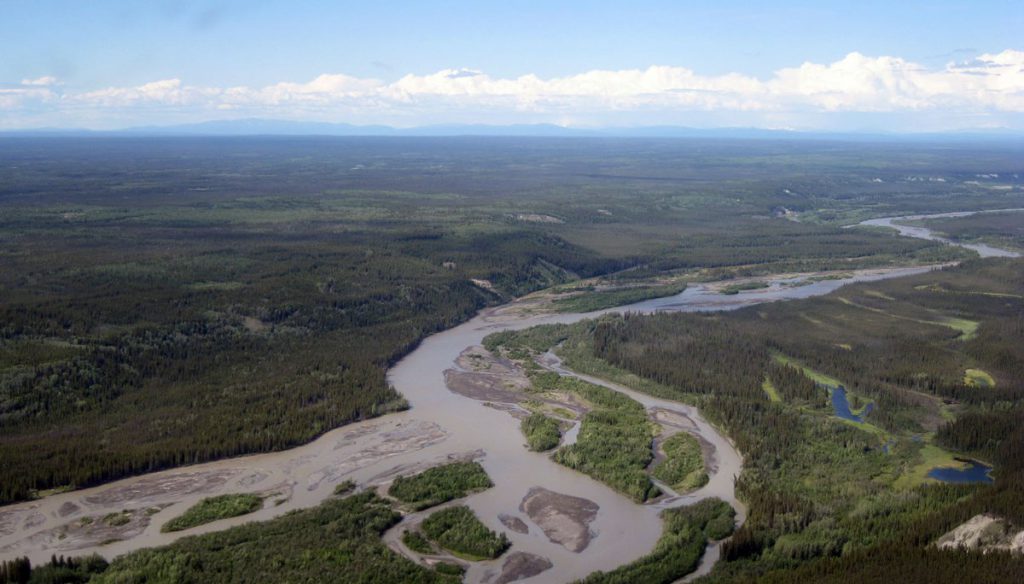
    The beautiful Copper River in Alaska.

    When you do select a site, look for one where you can easily get in or out of the river. Low banks that one can walk into and out of are preferred to a climb in and out of the water.

    Preparing Gear and Clothing for Crossings

    Waterproof all the things! In this day and age, hikers are carrying far more electronics than ever, and those must be waterproofed. Generally, I keep my entire backpack inventory inside a waterproof, sealed bag inside my backpack.

    A lot of people cover these things, but I’ve learned some additional things from military water crossings. If you are wearing pants with cargo pockets, button those or zipper those up. Pockets fill up with water and can weigh you down, and in swift currents, and minimizing that can make an astounding difference.

    DON’T WEAR FLIP-FLOPS or OTHER SLIP ON SANDALS. This goes for “crocs,” too. In mild crossings, they may be fine, but in strong currents, they can be sucked right off of your feet, leaving you to walk barefoot on possibly sharp shoes.

    I don’t take chances. I take my socks off and inner soles out of my boots, and wear the boots for the crossing. I get the greatest purchase on slippery rocks this way, and I don’t have to worry about a bleeding wound or just stubbing my toe.

    Unbuckle the waist and chest straps on your backpack. If you go under, you’re going to want to shed that quickly, lest it drag you down and drown you.

    Crossing By Yourself

    As an avid solo-hiker, this has been the bulk of my experience.

    You should face upstream, slightly sideways. Lean a little bit into the current, which will help you maintain balance. Sometimes, depending on the strength of the current, you may even want to turn sideways, because you’ll be pushed less.

    Shuffle your feet along the bottom. Put your downstream foot in the lead. If the water is really cold and the current strong, you may have a temptation to rush, but you’ll want to be slow and deliberate. In Maine, I’ve discovered, the rocks beneath you are often slimy, and it’s very easy to lose balance and fall. With your lead foot, you should also be probing for bigger rocks, holes, downed branches, etc. If you find one, you should try and move around it on the upstream side, as especially in the case of rocks, the turbulence won’t be as significant as it will be on the downstream side.

    When possible, you should cross at a downstream angle. Otherwise, you end up fighting the current more than you need to.

    This is a strong argument for trekking poles. In recent years, since moving to hammock camping, I’m less inclined to carry trekking poles, but for water crossings, they are very helpful. Put your pole (or a downed branch, never cut a live one) on the upstream side of you, and leaned upon for support. Move the staff first, then slowly shuffle your feet towards it.

    Crossing with Others

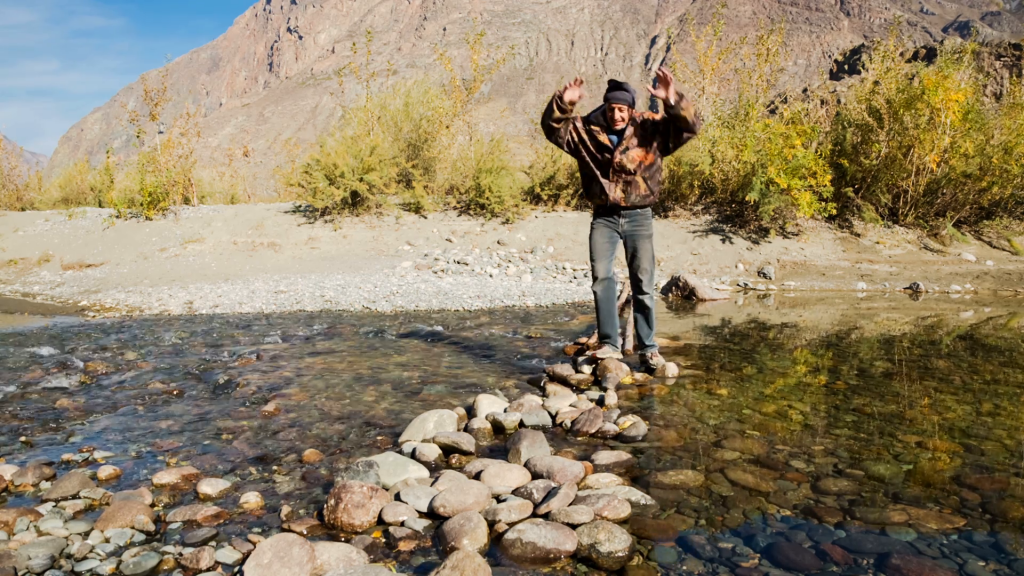
    Fording one of my old favorites, the Eagle River on the Crow Pass trail in Alaska.

    Sometimes, a swift river calls for friends. When the river is thigh deep or higher, or the current is heavy, linking arms and taking a go is the best way short of finding another route or crossing.

    The largest person should be positioned on the upstream end of the line, with arms interconnected. The group should then cross parallel to the direction of the current, but still at a slight downstream angle. The individual movements are similar to the individual crossing techniques.

    It is advisable to put your poles away, unless you are on the ends of the line.

    Crossing with Ropes

    I would note that it is possible to set up a crossing for others with a rope or ropes, but I strongly discourage it. For backcountry or even major trail travel, if the current is so swift, and there is no permanent fixture, either bridge or wires, it is simply too hazardous a location for crossing.

    Swimming Across

    Don’t, especially solo. You can certainly float your pack and doggie paddle across, but it’s a terrible idea if you aren’t in a group. Depending on the season or the temperatures, hypothermia becomes a very real concern. I always keep a dry set of things (or at least not too damp) to change into after crossings. I took a dunk on my last trip in the 100 Mile Wilderness in a deluge-swollen creak, and if I hadn’t immediately changed out of soaked clothing, I could have lost too much heat to safely continue.

    If you are a solo hiker, please do know everything you can about self-rescue, and how to warm yourself up in case things go sideways.

  • Tasty Bite: Kosher, Vegetarian, Trail Perfect Brand

    Tasty Bite: Kosher, Vegetarian, Trail Perfect Brand

    I couldn’t have done the John Muir Trail without Tasty Bite.

    I’ve done long hikes with nothing but Tradition Soup, canned salmon, and tuna packets, and that’s no way to live in the outdoors. I do like to prepare my own recipes and cook by camp stove, don’t get me wrong, but on those grueling forced marches where I will be on the trail for days at a time, ingredients are often heavy.

    When I realized that Tasty Bites, often found in our “ethnic food” section adjacent to the kosher food at our supermarket, bears a hechsher, I realized the choices are limitless.

    I tried the vindaloo on a recent weekend hike in Maine’s 100 Mile Wilderness, and I was not disappointed, though I wish I had brought more antacids.

    Heating vindaloo on the AT in Maine

    Do you have any other favored backpacking foods that are surprisingly and delightfully kosher? Share in the comments, or with us on Twitter or Facebook.

  • Memorial Day Weekend in Gulf Hagas

    Memorial Day Weekend in Gulf Hagas

    We’ve been at war for 18 years. I’ve been in the military, between the active duty Army as a paratrooper and the National Guard as a paratrooper, Stryker infantryman, and transportation manager, for 25 years this July. Like any service member with any period of service, there are names we read on Memorial Day that are familiar. It’s a hard weekend, replete with survivor guilt for both combat deaths and suicides.

    On Shabbos, I read the names of Jewish members of the American armed forces who have perished since 9/11. It’s a list that continues to grow, and because of “Jewish geography”, more than a few names on that list are people we knew and loved.

    My tradition on Memorial Day weekend in recent years has been to eschew crowds, parades, pomp and circumstance, and indulge a period of quiet reflection in the woods. I’ve written on the blog my wife and I maintain about living a Jewishly observant lifestyle in the Maine woods about Judaism having a salve for moral injury, and for me, hitbodedut is a crucial component of that.

    Hitbodedut

    Rabbi Nachman of Breslov envisioned hitbodedut (“self-seclusion”) as a self-directed means to build a stronger relationship to Hashem. This works for me. On long slogs in the wilderness, I find it easier to talk to the Divine. It’s a little awkward when you walk past a party of other hikers who heard you coming, and then are curious about who you were talking to.

    But I have questions.

    In October, one of the former members of my old National Guard unit shot himself. He was living with his parents. He came downstairs one morning to where his mother was eating breakfast, told her, “I am in so much pain,” and pulled the trigger.

    This hit his friends that knew him more than anyone, I imagine. He’s not the first suicide from my old unit, either, and at this point, we’ve lost more friends to suicide than combat operations.

    I needed some time to talk to the Divine, to ask those questions we always ask when we feel like the world is allowed to careen towards oblivion. Why? And for once, I feel like I can tell Hashem that I feel like I’ve been doing my part…so why does the Divine feel like an absentee landlord?

    Crossings

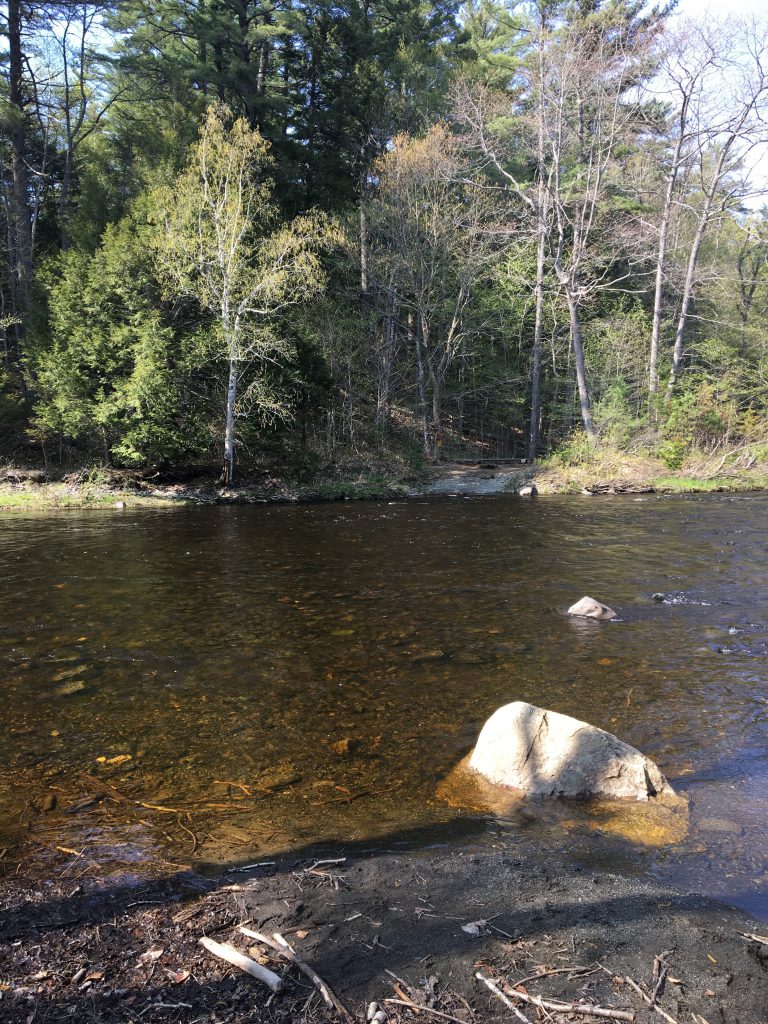
    The ford of the Pleasant River on the AT in Maine

    Enter the heavy and obvious metaphor. My trip started and ended with the ford of the Pleasant River along the Appalachian Trail. It was bad when I entered the wilderness from the Gulf Hagas parking lot. I lost my water shoes, ended up barefooting more than half of the ford, stumbling across slimy rocks that cut into the bottom of my feet.

    When I returned the same way at the end of my trip, the river had swollen even more due to overnight thunderstorms. A couple of fishermen watched incredulously as I crossed the thigh-high water. It was a bad decision on my part, but returning to my car after the miles I put in in the previous days meant either the ford or adding 5-9 miles to my last day. I was exhausted at the end, and made the choice just to risk it. After all, I had made wilder and more dangerous crossing in Alaska’s backcountry, no? What was a rain-laden river compared to a rain-, snowmelt-, and glacial melt-fed river in Alaska?

    Well, that was 20 years ago, and I’m not in the same shape, no matter how rugged I believe myself to be. But the crossing – I felt like I was entering something and departing something special. And most would I agree that I was – Gulf Hagas is one of the natural wonders if Maine, and in a world where we’re accustomed to high degree of accessibility, the sense that one has to “earn” those views added a sense of almost holiness to the experience.

    The Fall

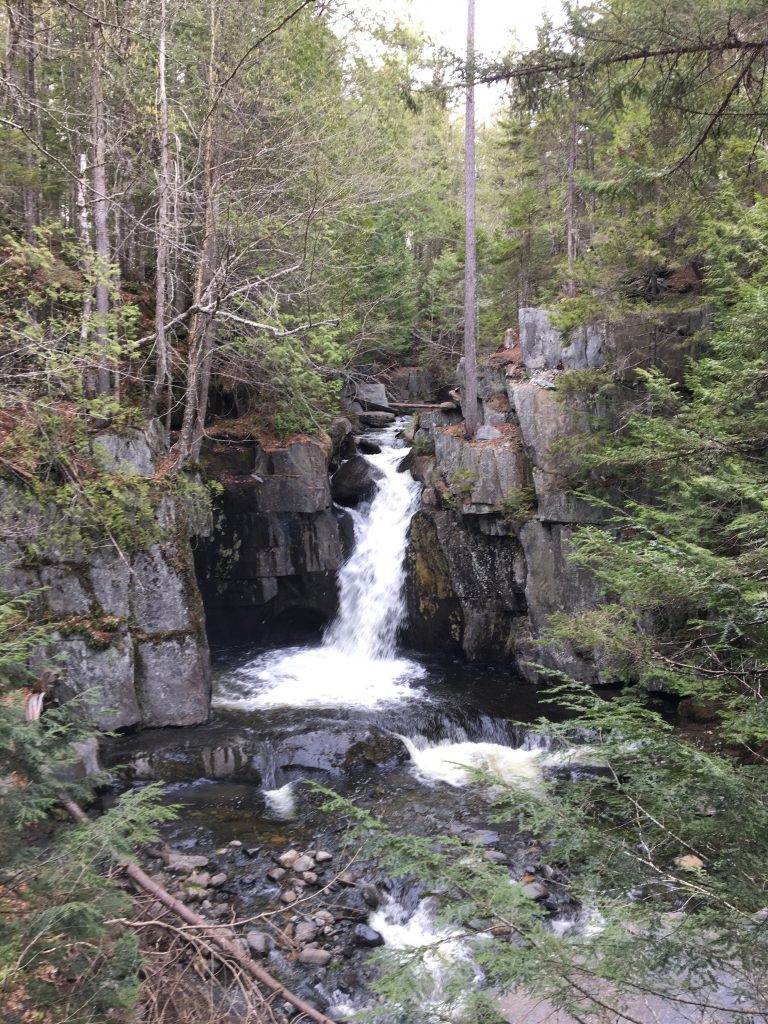
    Gulf Hagas is, of course, spectacular. As I stood before each cataract, like Screw Auger falls, I’m reminded that the world that I believe was set in motion by a benevolent Creator is itself transcendent. We spend so much time inhabiting these moments in time, and I can only wonder if we got more veterans with the same blight on their souls in front of natural wonders, if they could gain some helpful sense of perspective?

    But then, I think that trivializes how people relate to their every day. For the veteran, or anyone, struggling with addiction and mental issues beyond their immediate control, perspective doesn’t alter brain chemistry the way we’re finding that trauma does. It may well be a component in healing, but only magical thinking affords us the concept of a single, cathartic experience, or set of experiences, that bring people closer to healing, or at least, the elusive Golden Mean.

    A gorgeous backcountry waterfall isn’t going to end the ongoing intrusive thoughts we live with. It’s not going to undistort the way a veteran suffering from PTSD sees themselves.

    It’s such a nebulous thing, what causes this trauma for veterans. Perhaps it’s an easy answer – a firefight, a battle, an IED that blew up a comrade. Perhaps it’s the sustained tension of day after day of long patrols, and the repeated delve into that anxiety.

    Really, can anything offset the loss? The loss of friends, the loss of sense of self, the loss of any semblance that one is safe and secure…these things are haunting.

    Journey’s End

    As I approached the Carl Newhall shelter after hiking the Gulf Hagas trails followed by 3.5 miles on the AT heading north, most of what I felt was fatigue. My brain stopped lingering on names like James C. Wilson, Chad Edmundson, Stuart Wolfer, Daniel Agami, Blake Miller, Eddie Zorak, and focused on putting one foot in front of the other.

    A small pond along the trail echoed with the chirping of spring peepers and birds as evening fell. The air was pregnant with a looming storm.

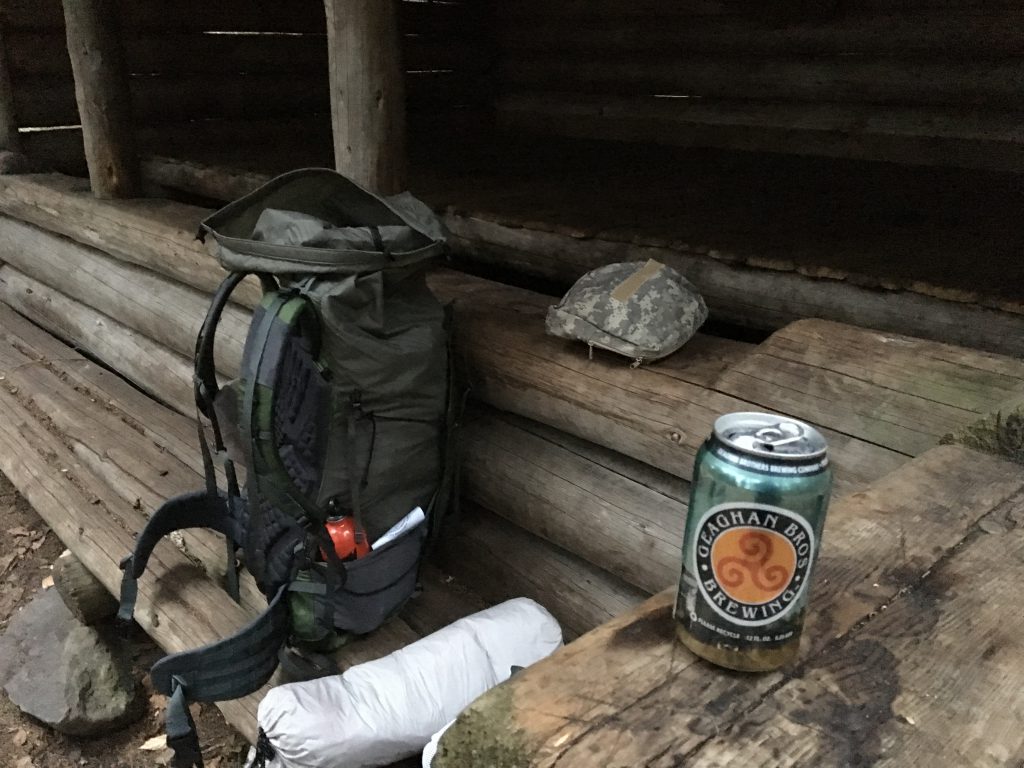
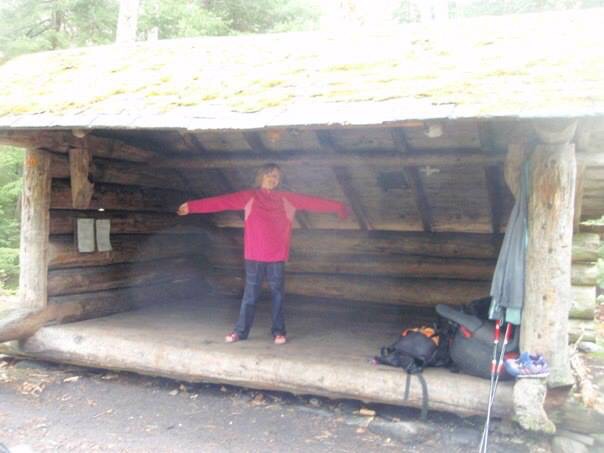
    One stream remained between myself and the shelter, and a well-earned Bangor-brewed beer (a favorite of my rabbi’s), and some Tasty Bites Vindaloo.

    I start unpacking at the shelter.

    The rain didn’t start right away. I changed out of sweat dampened clothing into the dry things I kept in my bag. The temperature began to drop into the mid 40s, so I put on my down jacket. I finished my beer and started boiling the water for my vindaloo, as well as some hot cider.

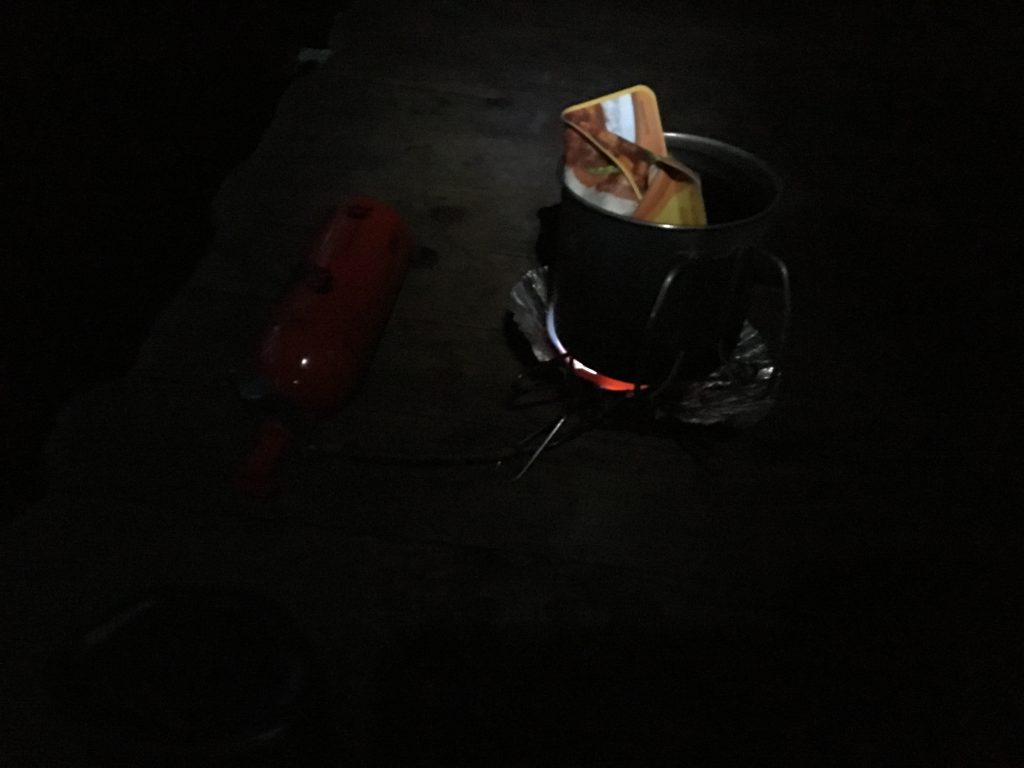
    Not from the Battle of Winterfell, my 20+ year old WhisperLite heats my vindaloo.

    The darkness came on quickly. The vindaloo caused heartburn as I settled into my sleeping bag. The pain in my stomach made it harder to sleep than the percussion of the rain on the shelter’s tin roof.

    When the heartburn finally subsided and I did fall asleep, I realized that my own soul was once again at peace, at least in that moment. Still, something gnawed at me.

    In a year’s time, Memorial Day will come around. New names will be on our lists that we read. More veterans will have taken their own lives. The war will likely still rage on at the fringes of American awareness, and little will change.

    That’s how life is between Memorial Days, even punctuated by soul-inspiring dips into the raw parts of Creation. It’s just like humankind’s perpetual relationship to our Creator.

    Unresolved.

  • Lag B’Omer:  The Perfect Wilderness Holiday

    Lag B’Omer: The Perfect Wilderness Holiday

    Let’s face it, most of the fun parts of the Lag B’Omer holiday are rooted in the aggagic stories concerning the origin of Kabbalah. If, like me, Kabbalah plays little to no authentic role in your Jewish observance, you may struggle with the implications behind a bonfire.

    But who doesn’t like a bonfire? Here in Maine, with May temperatures not rising above the 50s/60s, it’s a lovely way to spend an evening, especially in the period of quasi-mourning that marks the Omer.

    What is the Omer?

    This is the 49-day period between the eve of the second night of Pesach and Shavuos. We have a ritualistic count of the days in our liturgy during this time. In the Torah, it’s defined as the seven weeks the Israelites would count between Pesach and bringing a grain offering to the Temple in Jerusalem. Shavuos was one of the three pilgrimage holidays prescribed in Torah. Later, it became representative of the giving of Torah on Mount Sinai seven weeks after leaving Egypt.

    Today, we have less emphasis on the grain harvest, and more on some post-Biblical events leading up to Shavuos. The Omer are a period of quasi-mourning. Observant Jews avoid haircuts, shaving, listening to instrumental music, weddings, parties, and dancing. We do this in memory of the students of Rabbi Akiva, who were either killed during the Bar Kochba uprising or a plague (sources vary). In either case, they were killed in retribution by the Divine for being mean to each other.

    Enter Lag B’Omer

    The story goes that on the 33rd day of the Omer, the plague afflicting the students of Rabbi Akiva was lifted. The first specific mention of the day as having any significance came in the 12th century, and became associated with the Akiva story by the Catalonian Talmudist HaMeiri around that time.

    If you believe in the origin story of the Zohar, the follow-on tradition is that one of the 5 surviving students of Rabbi Akiva, Rabbi Shimon bar Yochai, purportedly authored the principle source of Kabbalah. Many Jews, like myself, who believe that it was authored by Moses de Leon in 13th century Spain, consider Zohar, and subsequently Kabbalah, to be apocryphal.

    But many haredi and chassidim, as well as Jews who are not traditionally observant, incorporate it either as a vital component of Jewish learning, or take components where they find meaning and incorporate them into modern liturgy.

    So, to honor Rabbi Shimon bar Yochai, people gather throughout the 33rd day of the Omer to light bonfires in honor of the “spiritual light” gifted to the Jewish people with his esoteric teachings.

    One of the Best Outdoor Observances

    Back in the early 2000s, when I thru-hiked the Northville-Placid Trail, I did so during the Omer and overlapped Lag B’Omer. For any thru-hiker who is observant, backpacking generally falls in line with the general sense of mourning. You don’t shave, you don’t get haircuts…you likely smell really bad. On Lag B’Omer, you can stage that day as a reprieve from this, plus couple a lovely campfire (as regulation and good sense permit) with the day.

    There was nothing more edifying than a fire in the Adirondacks with Jewish implications.

    My wife and I, though maintaining an observant household, are not invested in the Kabbalah. We both enjoy the works of Aryeh Kaplan (Leah wrote a thesis on Jewish meditation for her undergraduate minor), but we don’t frame observances around Kabbalistic sources. And yet, on our wooded acreage in Maine (named Eitz Kar), we still host friends from the Bangor Jewish community for a Lag B’Omer bonfire.

    I know from my many days on the trail, all over the world, that few things build communities, even temporary ones, better than a group of people surrounding a fire. The boundary of such a community is the extent to which the flickering flames abate the encroaching darkness.

    The Best Places to Spend Lag B’Omer in the Wilderness

    I’ve spent an enormous amount of time in the wilderness over Lag B’Omer. Here are some of my favorites.

    Assateague Island National Seashore – Maryland and Virginia

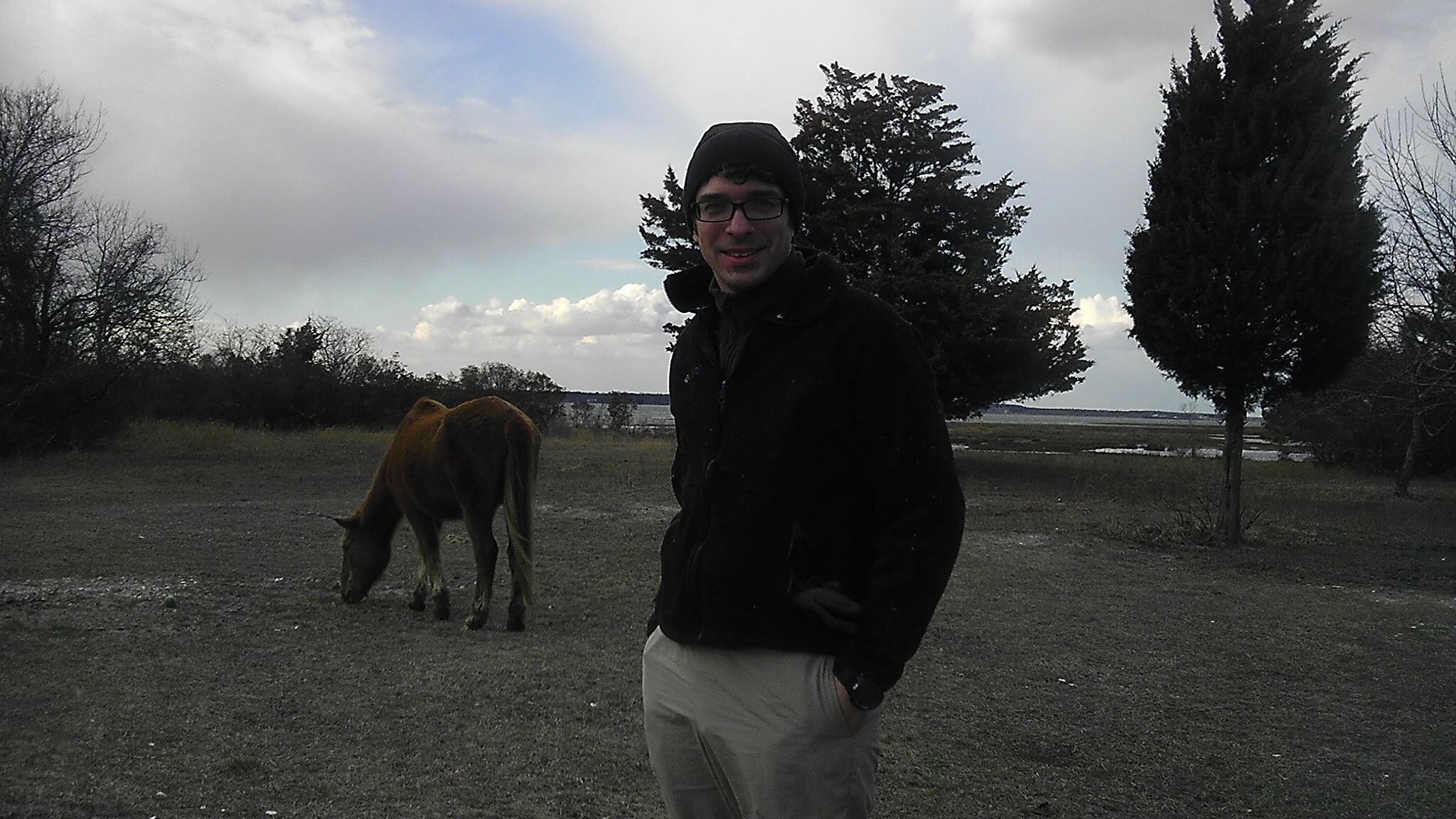
    Wild horses can’t drag me away from Assateague

    A barrier island off the coast of Maryland and Virginia, known for its wild ponies, is a wonderful setting for an overnight Lag B’Omer experience. Beachside and bayside campsites offer backpackers a stroll down the shore coupled with an amazing overnight experience rare along the East Coast.

    Trips during the Omer may not be possible, especially from the Virginia end, because of nesting shorebirds.

    https://www.nps.gov/asis/index.htm

    Debsconeag Lakes Wilderness – Maine

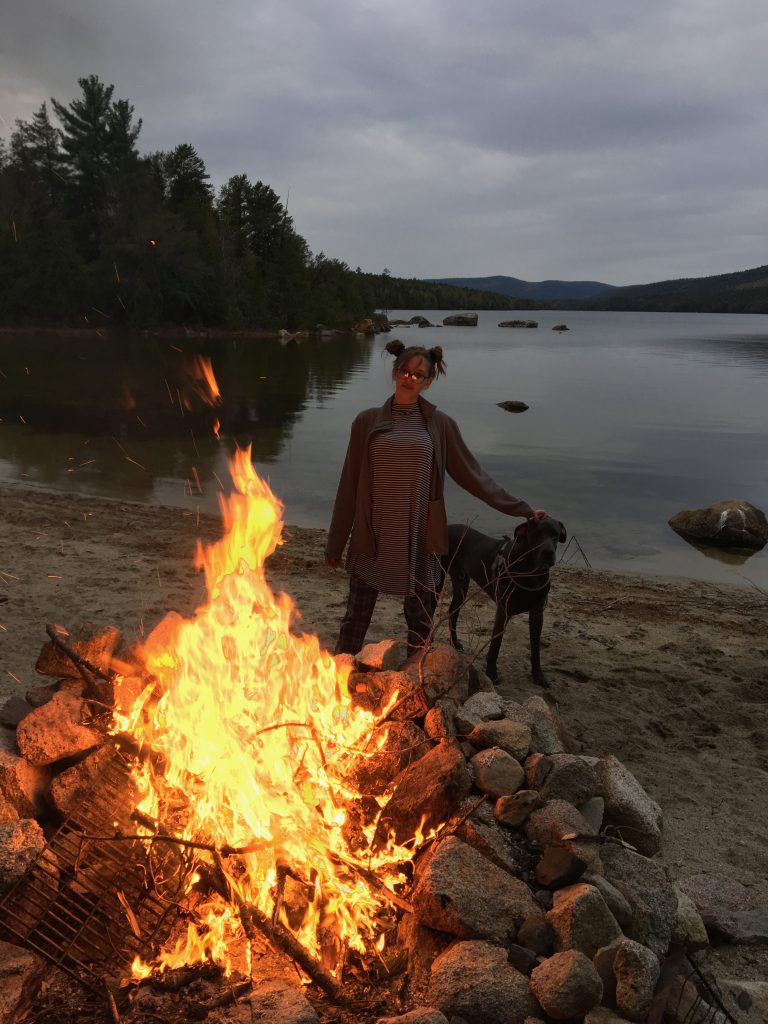
    My Daughter, Amelia, and our blue Dane, Atticus Blue Radley, in DLWA

    Every year at least once since moving to Maine, my daughter and I have canoed from the launch on the Debsconeag Deadwater to backcountry campsites on First Debsconeag Lake, or via portage, Second Debsconeag Lake.

    Off of First Debsconeag Lake, there is a really cool trail to the “Ice Cave,” a little cave where the temperatures stay low enough to keep snow year-round. I personally prefer to make the portage to the second lake, as on long weekends over the summer, First Debsconeag Lake campsites can be inundated with motor-based watercraft campers who bring generators and can be very disruptive to an authentic wilderness experience.

    https://www.nature.org/en-us/get-involved/how-to-help/places-we-protect/debsconeag-lakes-wilderness-area/

    Adirondack High Peaks

    A shelter in the High Peaks

    Fires are a no-go, but the Adirondack High Peaks are a great place to go just generally. Amelia and I have started many a May or June hike from Heart Lake and had an amazing time. Just like Maine, black flies may make you regret your choice, but a view from Mt. Marcy or a Wolfjaw may change your mind.

    The Emigrant Wilderness – California

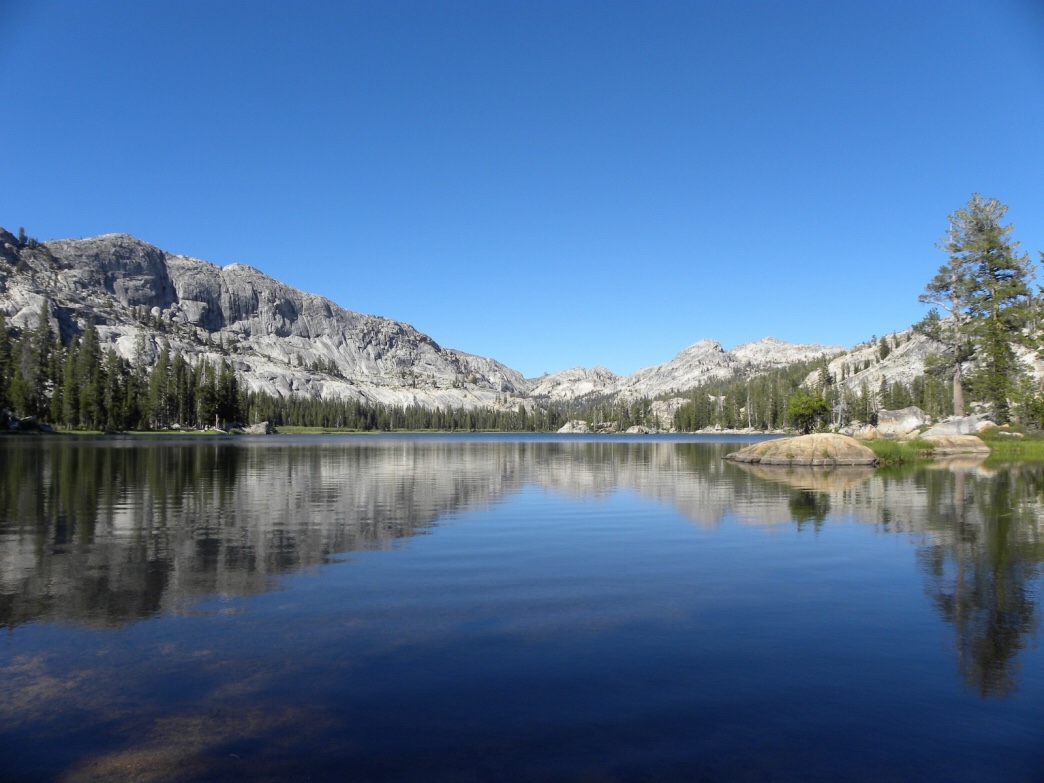
    This wilderness, which is real Muir/Adams country, is one of the best open secrets in the Sierras. Adjacent to Yosemite National Park in the Stanislaus National Forest, it has all of the views and few of the crowds.

    Campfires are prohibited above 9000 feet and within a half mile of Emigrant Lake.

    https://www.fs.usda.gov/recarea/stanislaus/recarea/?recid=15107

    Leave No Trace

    I would be remiss if I made any discussion about Lag B’Omer fires and didn’t remind the wilderness traveler to be mindful of the wilderness ethic.

    Don’t make new fire rings. Use existing ones.

    Make sure all fires are properly extinguished. Make sure you haven’t burned trash, and pack out what you’ve packed in.

    Use only downed wood for fires; never cut live vegetation.

    Respect local regulations. If fires are prohibited, don’t burn. If a permit is required, obtain proper permits.

  • The Israel National Trail

    The Israel National Trail

    In honor of Yom Ha’Atzma’ut this week, The Kosher Backpacker is proud to present an overview guide and listing of resources to the Israel National Trail, or שביל ישׁראל.

    The trail is the brainchild of Appalachian Trail hiker Avraham Tamir, realized under the direction of Ori Devir, then the Director of the Society for the Protection of Nature in Israel (SPNI). It is 620 miles/1200 kilometers long. Walking the entire trail takes 6-8 weeks. Most hikers go from North to South, though starting in Eilat may be desirable if you begin in spring. Many consider ending in Eilat, which is a wonderful resort town, to be more emotionally fulfilling than ending in Dan in the North.

    When To Go

    There are two ideal seasons to complete the hike: October through November, or February through mid-May. The landscape is far greener in the February to May block, and you’re more likely to find water sources.

    Many people recommend hiking the trail in winter. American Appalachian Trail hikers are acclimated to rain, and may enjoy the northern part of the trail and find the rainfall reminiscent of the the eastern United States.

    What to Pack

    I don’t list brands, because I’m not advertising specific ones in this post. I just recommend, more than I do for AT thru-hikers, to go light. The Negev especially can be hard on a backpacker, and lighter will help you avoid de-hydration.

    General

    • Backpack (preferably an ultralight)
    • Hiking boots / sneakers
    • Walking sticks (optional)
    • Small knife
    • Compass
    • Sandals/crocs (preferably sandals you can hike in)
    • Hydration (bottles or reservoir)
    • Headlamp
    • Trail guide
    • Sunglasses
    • First aid kit / toiletries
    • Any electronics you want. In spite of desert, rechargeable powerbanks work better than solar chargers.

    Sleeping

    • Lightweight 1/2 person tent
    • Sleeping pad (I go with closed cell because of puncture frequency)
    • 3 season sleeping bag or blanket (prefer a light blanket)

    Cooking

    • Lightweight pan or pot
    • JetBoil or MSR Pocket Rocket (canisters are available)
    • Mug / bowl
    • Spork, or other cheapo eating implement
    • Lighter

    Clothing

    • Bandana or sun hat
    • Fleece cap (depending on season)
    • Waterproof jacket (depending on season / you can get by sometimes with an umbrella)
    • cotton/hybrid long sleeve shirt (can help with sun protection)
    • Convertible pants
    • Lightweight fleece top or down puffer, depending on season
    • wicking t-shirts (2)
    • 2 pairs of socks
    • 2-3 pairs of underwear
    • Bikini and necessary bras for women

    On Phones

    US and Canadian cell phone carriers do offer roaming plans if you plan to visit Israel, however, they are the province of the disturbingly wealthy. The Israel National Trail has a variety of conditions that make carrying a phone desirable. If your phone is unlocked, you may be able to acquire an Israeli SIM card for it.

    Otherwise, you should rent (a possibility) or buy a short-term Israeli phone plan while you are there.

    Trail Angels

    In Israel, “trail angels” are a little different than the ones you encounter on the Appalachian Trail. In Israel, they actually maintain a register of these folks, so there’s an element of predictability that you don’t find in the United States.

    The only English list of trail angels can be found here.

    Regions of the Hike

    The Negev

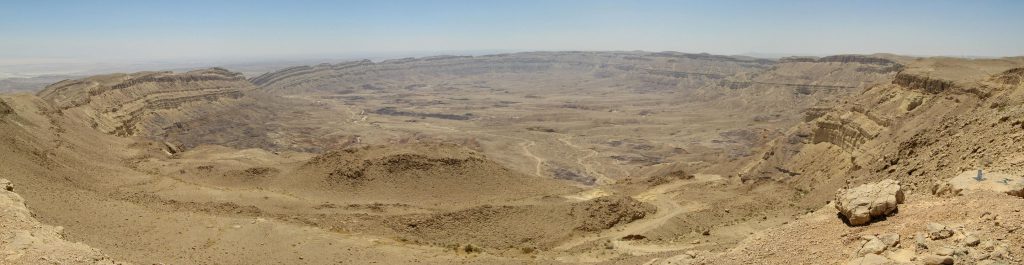
    Makhtesh Katan in the Negev – by Ester Inbar, available from http://commons.wikimedia.org/wiki/User:ST.

    For hikers familiar with American desert hiking, this isn’t significantly different. The logistics of water/supply caching can be a little easier than some desert hikes in the American Southwest.

    You’ll fall in love with the rust, purple, and ochre terrain, juxtaposed against the clear blue skis. Canyons and ridges, makhteshim (craters), acacia trees growing isolated by dry river beds…the land is ancient and spectacular.

    Make the Palmah Ascent, a route used by Jewish forces in the 1940s as they skirted British troops.

    Enjoy the renowned hospitality of the Bedouin while looking out for the Nubian Ibex, wolves, and the occasional camel.

    Jerusalem and Valley of Elah

    We’ll do a separate post about it of these days, but with an additional 26 mile loop on the Jerusalem Trail, you can take in many of the amazing sights of Israel’s beloved capital.

    The North

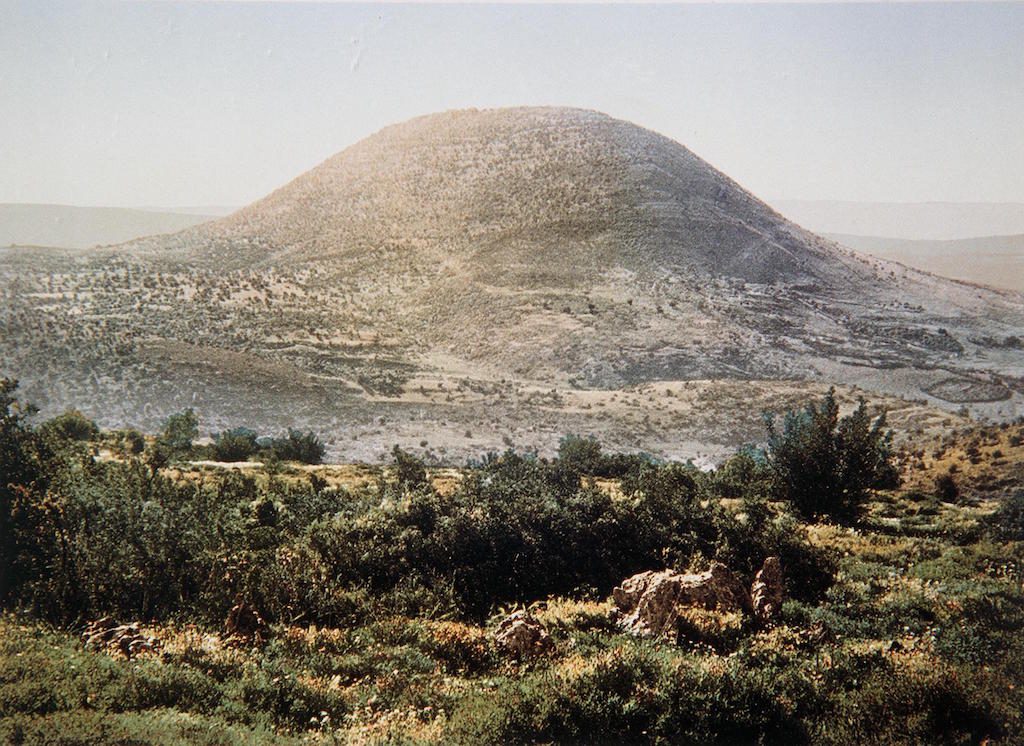
    COLOR PHOTO OF MOUNT TABOR TAKEN IN THE LATE 19TH CENTURY BY FRENCH PHOTOGRAPHER, BONFILS. צילום צבע מסוף המאה ה19 של הצלם הצרפתי בונפיס אשר תעד במצלמתו את נופי ארץ ישראל ותושביה. בצילום, הר התבור.

    Fertile farmlands, lush greenery that stands in contrast to the Negev, sites central to three of the Abrahamic faiths, Roman ruins, and so much more.

    So, you should know…

    Camping can be problematic. Sites are designated, litter is a problem, and Israelis are, well, interesting. They have a different regard for personal space and consideration of public conduct than people from the United States and Canada. If you can’t sleep through noise, many of the campsites on the INT will be a troublesome experience for you.

    Still, Israelis are well-known for their hospitality. If you don’t speak Hebrew, no worries, most signage is in English, and most folks you encounter will speak English, in many cases better than you do.

    Additional Resources

    Israel National Trail and Jerusalem Trail Guidebook

    https://www.israeltrail.net/

    http://theintexperience.com/ – Excellent online guide, broken down into sections

    https://israelhiking.osm.org.il/ – (Hebrew) online map, good chance to brush up on your language skills

  • Our Guide to a Wilderness Passover

    Our Guide to a Wilderness Passover

    We cover some of this in our book, The Kosher Backpacker, but as Pesach starts Friday night, there may be Jewish thru-hikers out there, or people availing themselves of spring break from school and chol chomoyed days of the holiday…so here’s a guide to a WILDERNESS PASSOVER.

    In a way, it’s kind of fitting. The Almighty lead our beleaguered people out of Egypt and into the wilderness for 40 years before letting us into the land. It’s a good time to commune with nature, and remember that if you have enough food for the 100 Mile Wilderness, dayenu.

    So we’ll go in order of events with the assumption that you may be traveling before and during Pesach…

    Selling Your Chametz

    Most of us coordinate the sale of chametz through our local rabbi, or via an online service, such as what is offered by Chabad.

    There’s an important fact – if your trip is taking you out of your usual time zone, it doesn’t matter where your chametz is, the sale is based off of where the owner of the chametz is! If you’re from the East Coast and are backpacking the Pacific Crest Trail, your local rabbi will buy it back too early. If you’re from the West Coast and are backpacking the Appalachian Trail, your local rabbi will sell it too late!

    If you know where you will be for the duration of the holiday, services offered by Chabad online will time it based off of where you are and a Chabad rabbi in the appropriate location will sell it for you. I suggest a donation if you use their service, of course.

    Searching for Chametz

    If you’ll be returning to your home from your trip during Pesach, then you should clean your house of chametz, and do bedikat chametz the night before you depart. If it’s outside the conventional search time, you omit the blessing.

    If you are staying at a backpacking hostel or hotel, you are required to do the search with the blessing in the room that you are leasing. If it’s an unpaid place, i.e. a trail shelter, you can still do the search, but consult with your rabbi for an absolute answer.

    It’s a good time to clean out your backpack and your tent, anyway. I haven’t been on many East Coast trails where rodents haven’t been relentless little buggers. Pesach can help keep them at bay, at least until they get their hands on some matzah crumbs.

    A Wilderness Seder

    I would hope most Jews traveling find a seder to attend, however, if you cannot, years of experience in the United States Army have taught me that we have seven total mitzvot that we can fulfill on our own.

    The mitzvot d’oraita of Pesach are:

    • Recounting Exodus
    • eating matzah

    The mitzvot d’rabbanan are:

    • Eating bitter herbs (maror)
    • eating the Afikomen
    • saying Hallel
    • four cups of wine
    • drinking that wine while reclining and starting the eating with a dip

    In our home, we use the ArtScroll Mesorah Series The Family Haggadah, but on the occasions that I’ve travelled or deployed, I have a laminated-yet-weathered Maxwell House Haggadah I use. I’ve found it’s an excellent opportunity to share our faith with non-Jewish friends.

    Kosher for Pesach Food

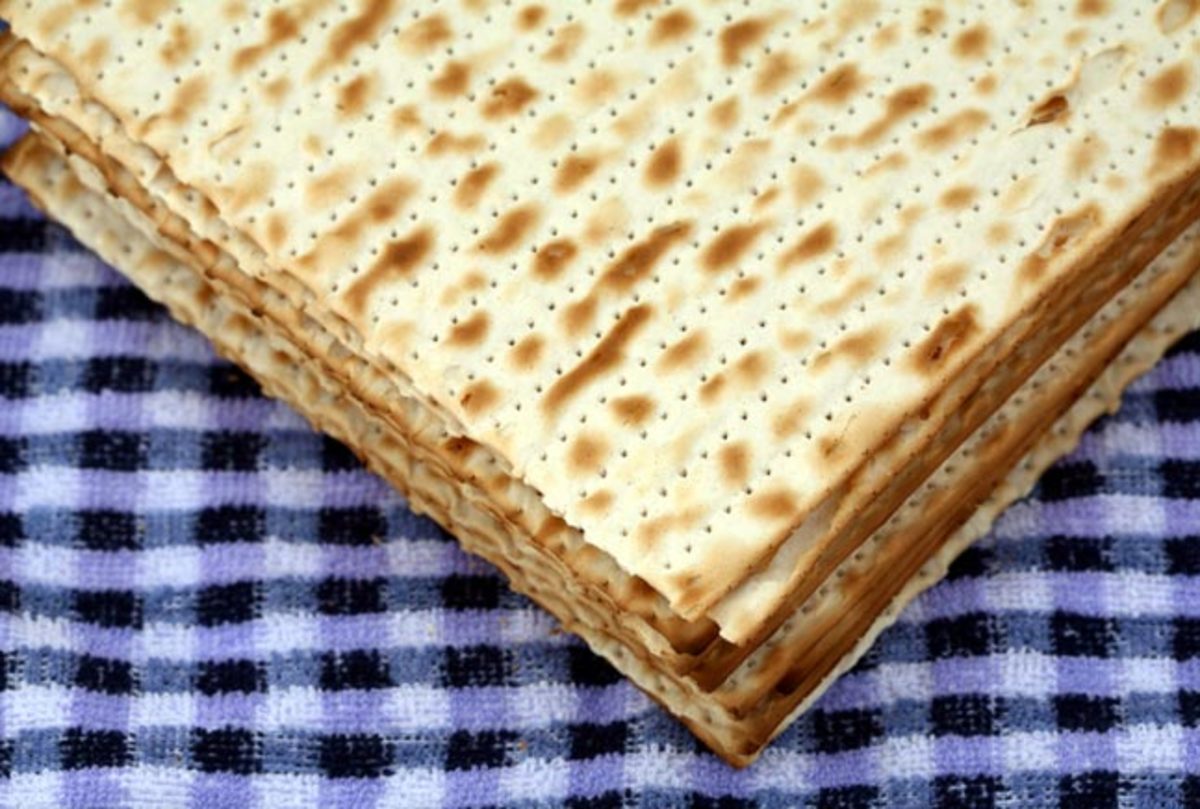
    This requires the most preparation. You would think that matzah would be a good trail food, but remarkably, it’s not all that wonderful. However, it packs better than most people would think, and you can add an element of awesomesauce to the holiday with store-bought or homemade chocolate-covered matzah.

    One thing for Jews living outside of major Jewish communities – Pesach is the only time of year many of us can find kosher marshmallows. Leah and I stock up for this time of year in preparation not just for the 8 days of Passover, but for our Lag B’Omer bonfire.

    We have some recipe suggestions, including our Vegetarian Matzah Brei or our Salmon patties (ochlei kitniyot only). Matzah ball soup is surprisingly easy to make on a camp stove.

    If you are on a thru-hike, it is possible to place matzah and other OU-P or otherwise certified non-perishables in your “bounce box.”

    Final Recommendations

    I have an observant friend planning a trip to the Te Araoa Trail in New Zealand, but he is now postponing it because he would be leaving during the Omer, and crossing the International Date Line will hose his count. It’s an important consideration – Shavuos is determined by this count.

    If you would be obliged to say Yizkor for a departed loved one, make suitable arrangements to be in a synagogue on the last day of Pesach.

    Do you have any recommendations for Passover in the wilderness? Recipes? Tips? Stories? Share them in the comments below, or find us on Facebook.

  • Antisemitism on the Trail

    Antisemitism on the Trail

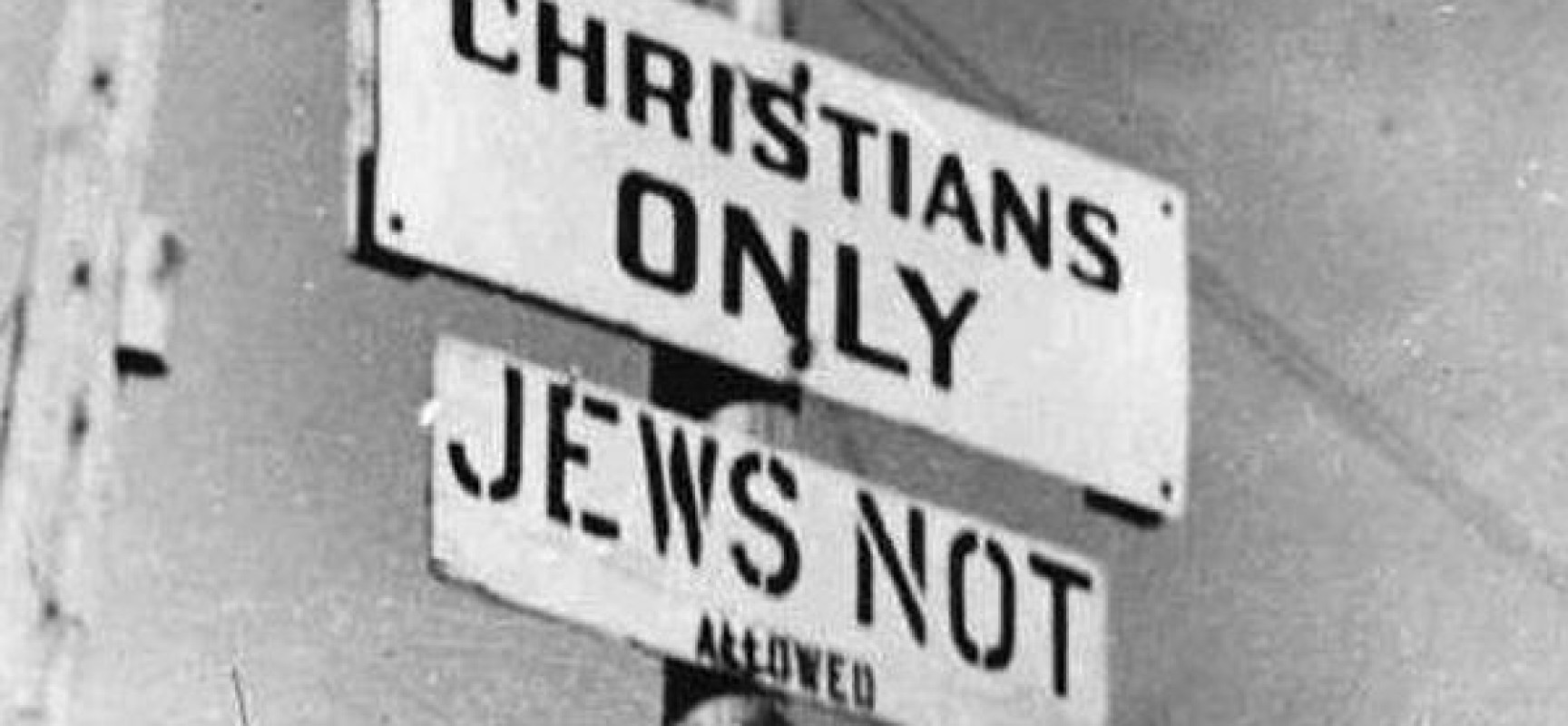
    WARNING: Some unsettling content ahead.

    Just as an FYI, there’s no context that makes what happens in this video “okay.”  The mayor of Damascus, in the wake of the incident, tried to make hey of the fact that the thru-hiker recording the video was trying to buy weed, but there’s never an instance where the response to that needs to include antisemitism.  The people in this video were charged and convicted of crimes, and this store is no longer in business.

    I’ve been hiking, thru, section, and weekend, for most of my life, and I’ve never encountered antisemitism on the trail.  All I have encountered is comity and curiosity.

    But what do you do when you do encounter it?  If you’re a thru-hiker, this could be unnerving, possibly hike-ending.  There’s a good chance you’re isolated from law enforcement, friends, family, or any kind of Jewish community.

    We’ll share some advice here, much of which is based off of my experience both as a thru-hiker and as an observant Jewish soldier who has deployed abroad.

    Be Informed

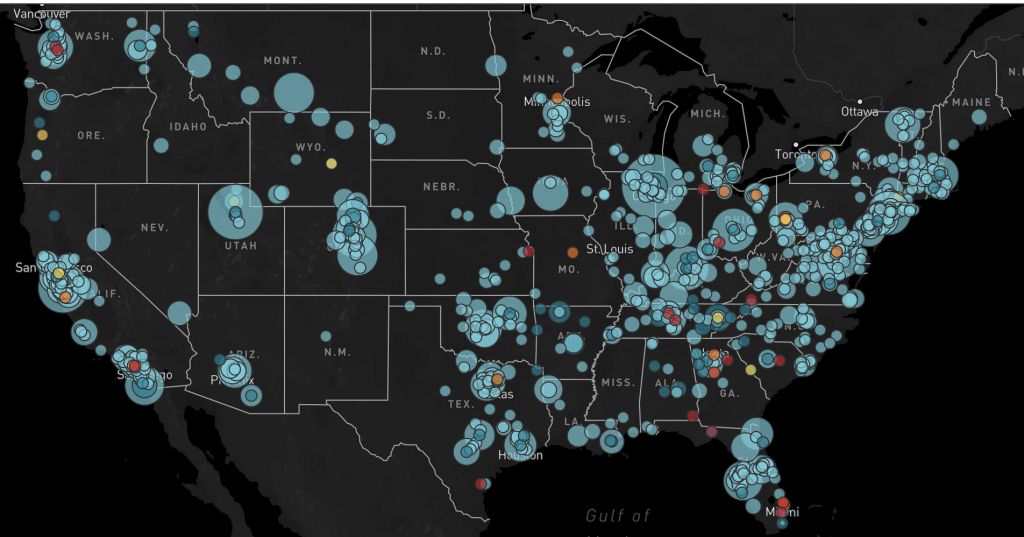
    The first step is to understand the social climate where you are hiking.  If you expect to interact with a local community at a hotel before or after a hike, it’s a little more important than if you’re just heading to a wilderness area.   A great resource for the presence of hate groups and incidents is the Anti-Defamation League’s website, and depending on how you feel about them, the Southern Poverty Law Center.

    The ADL maintains a filterable “hate map” on their website.

    With the many trails available in the United States, it’s highly possible to avoid problems altogether.

    If you’re traveling internationally, the State Department is a good resource to check against.

    Sometimes, just putting the keywords “antisemitism” and the name of your destination yields informative results. Sometimes, the information may be dated, and an incident, such as this one that reportedly occurred in Patagonia, may not have a recent corollary. Still, forewarned is forearmed.

    Minimize Your Jewish Footprint

    One of the recommendations made to me for Middle Eastern deployments, or even Eastern European deployments, was to take steps to be less obviously Jewish. For me, the argument was not to wear my yarmulke out and about. When wearing civilian clothes, I was urged not to let my tzitzit out.

    What I have found is that outside of major Jewish populations, very few people are familiar with tzitzit enough for that to pose a hazard. When hiking, I often wear other hats besides my yarmulke, but there are times when I just don’t feel like wearing a hat besides my kippah.

    I already don’t make a big deal out of my diet as it is. I don’t go into stores lamenting that I cannot find a hechshered product.

    Because I often park my car at trailheads, I’m careful not to invite targeted vandalism by not putting bumper stickers or window decals of Jewish interest on my car.

    There are times it’s unavoidable that I have to make the explanation or be unavoidably Jewish, such as when I’m setting up a portable eruv for a Shabbos camp. It’s confusing to people (and sometimes park rangers) when they encounter your strings, or the otherwise odd way you may set up camp to prepare for Shabbos. Some of this can be avoided with stealth camping or being familiar with regulations of the place you are camping.

    What do I do when it happens?

    First and foremost, if you are in a situation where it’s fight or flight, do one or the other and commit to it. It’s helpful when you travel to know who constitutes law and order in your location. If you’re in Yellowstone National Park, that answer will differ sharply from Damascus, Virginia.

    If you are in a situation where you have to fight, fight as if your life depends on it. Bite, pull, strike, kick, stab, whatever you have to do. If you’re in a place where you are allowed to and you do carry a firearm, be sure you know what stand your ground or similar laws apply to you before you even brandish.

    If it’s mere harassment, the choice is yours as to whether you brush it off. You may consider recording the situation with your smartphone, if you think it will help identify someone who crosses a line in to criminal harassment or assault, or hopefully, act as a deterrent.

    If you are on a long-distance hike, consider changing your plans, in case harassment or assault could possibly turn into something worse. Watch for if you are followed. Consider “yellow-blazing” to a distance beyond where it happened, or hole up in a hotel for a day or two until you think any possible threat has passed. Or consider quitting altogether. Especially for younger hikers without much experience in the world, antisemitism really can encroach on a sense of safety, realistic or not.

    When you feel safe (or safer), and can do so, report the incident to the relevant local office of the ADL. You can do this by their website or by phone. You may also contact us at The Kosher Backpacker, and we will try and help you as much as we can.

    The Reality

    The good news is that for outdoors enthusiasts, antisemitism is a rare occurrence.

    But we live in a world that with regards to Zionism and Jews, is becoming increasingly hostile, so it is important to mentally and emotionally prepare yourself for the possibility. Don’t worry about it happening to the point that it ruins your excursion, but do mull over what you will do if it happens.

  • Burnt Offerings

    Burnt Offerings

    The LORD spoke to Moses, saying: Command Aaron and his sons thus: This is the ritual of the burnt offering: The burnt offering itself shall remain where it is burned upon the altar all night until morning, while the fire on the altar is kept going on it. – Parashat Tzav

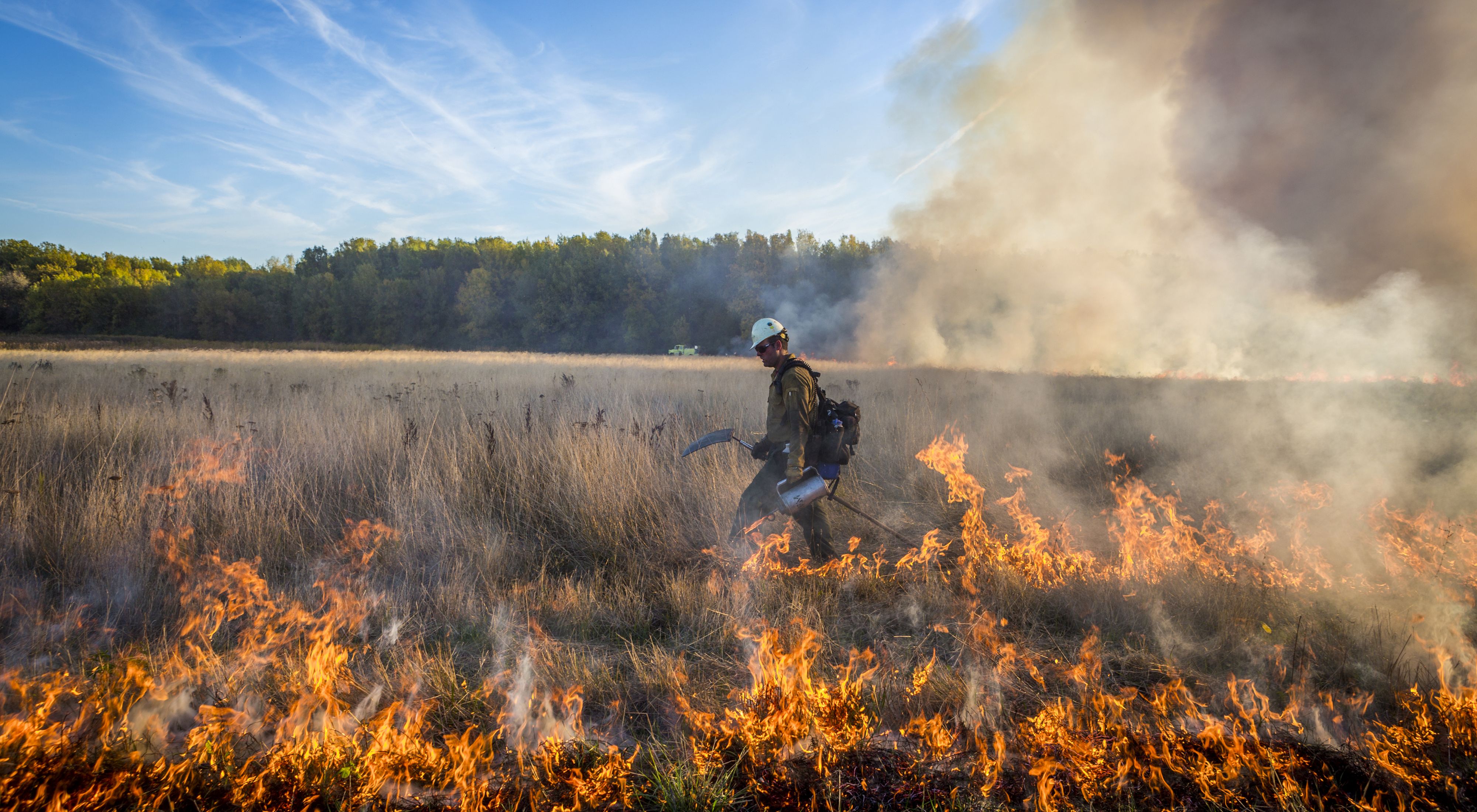
    It’s spring, and that usually kicks off the season of controlled burns.  We’re not really going to talk about burnt offerings here, but there’s an analogy between what we offer up to the Divine and what we do to preserve our wilderness.

    Judaism places particular emphasis on trees.  In Midrash, when G-d shows Adam and Eve the Garden, they are specifically shown the trees as representing creation.  In additional parts of the Midrash, trees are continually emphasized as the key component of creation.


    Calvin Mattheis/News Sentinel

    During February, in Cades Cove, within Great Smoky Mountains National Park, a prescribed burn reduced shrub and tree intrusion, helped reduce exotic plants. 440 acres of burn will help keep meadows open for the habitat of wildlife.

    In a sense, the “burnt offering” of prescribed fires is necessary for trees to thrive. Longleaf pine and wiregrass habitats are vital for the endangered red-cockaded woodpecker. Fire burns the shrub that grows beneath trees and affords predators access to nests.

    Wiregrass itself requires fire for it to flower, and trees, including many pine species, actually require fire to germinate successfully.

    Here in Maine, we’ll see prescribed burns to help with habitats for bobolinks, savannah sparrows, and meadowlarks. We also burn to keep out invasive species like Japanese barberry and autumn olive. Burns also open space for milkweed, very important for monarch butterfly larvae.

    For the backpacker, it does mean trail closures and detours, but this is a small price to pay for a key component of effective wilderness management.